


Does a fence add value to your home? It can, but there’s no fixed dollar amount, because the payoff depends on your market, the fence and its condition. A well-built fence that fits the neighborhood makes the yard more useful to buyers, while a leaning or mismatched one can work against you.
So the better question is which fence will add value for your home and your likely buyers. Here’s what drives that, which materials help most and how to avoid the mistakes that hurt resale.
How a Fence Can Add Value to Your Home
A fence can add value in ways buyers notice on the first visit. Most of them come down to how the yard works day to day.
A Yard Ready for Dogs and Kids
Dogs are part of many buyers’ lives. The AVMA reports that 42.6% of U.S. households own dogs, based on its 2025 pet ownership sourcebook. So a fenced yard speaks to a large share of shoppers. Parents also like a yard where young kids can play away from the street. Our guide to the best fence for dogs covers styles and heights.
Privacy and Security
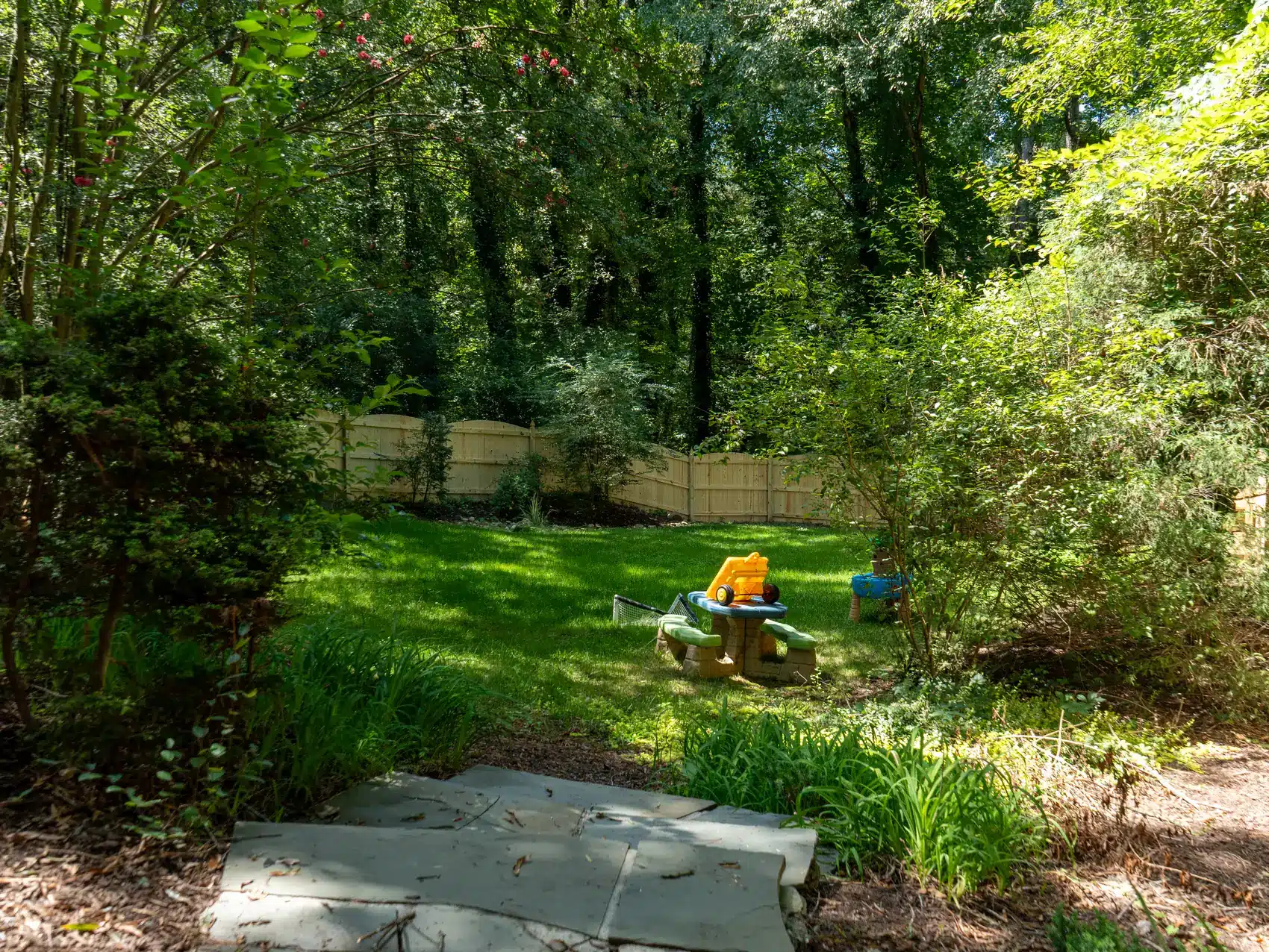
A solid privacy fence blocks views from the street and next door, so the backyard feels like part of the house. In close-set neighborhoods, that privacy can be a real draw. Our guide to privacy fences in Virginia covers heights and styles.
Curb Appeal and Clear Boundaries
A clean fence line frames the house and makes the lot look finished. It also shows buyers where the yard ends, which can head off questions about the property line. If your fence sits near the line, our post on Virginia property line fence rules explains what to check first.
Which Fences Add the Most Value?
The fence most likely to add value is the one that suits the house, the neighborhood and the way buyers will use the yard. Here’s how the common materials compare. For a deeper look, see our breakdown of the pros and cons of each fence type.
Wood Fences
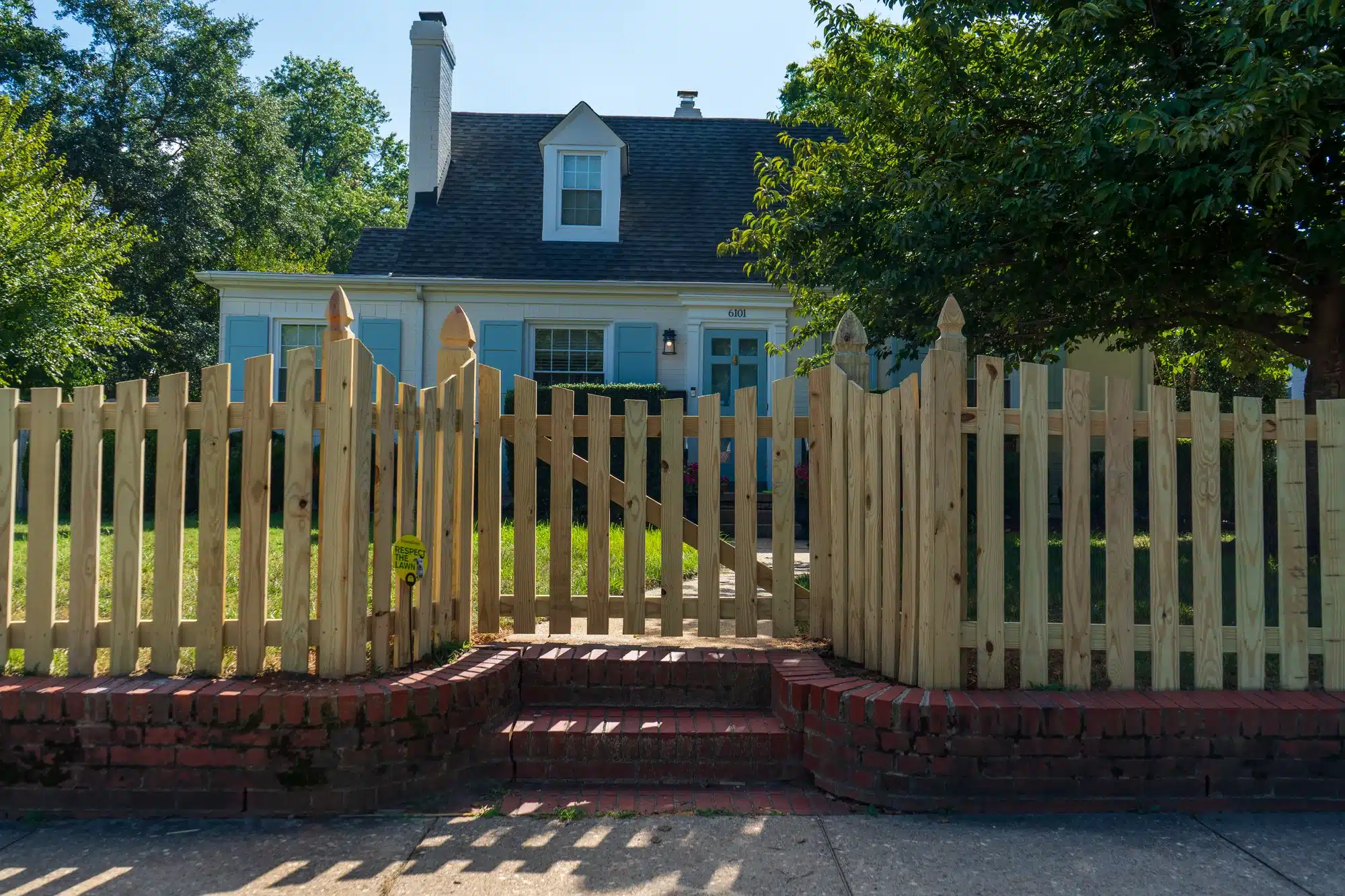
Wood gives a warm, classic look and works for privacy, picket and split rail styles. But wood needs sealing or staining to slow weathering, so its value depends on upkeep. A well-kept wood fence can add value, while a gray, leaning one makes buyers wonder what else the owner put off. Browse our wood fence installation styles, or read our tips on sealing a wood fence.
Vinyl Fences
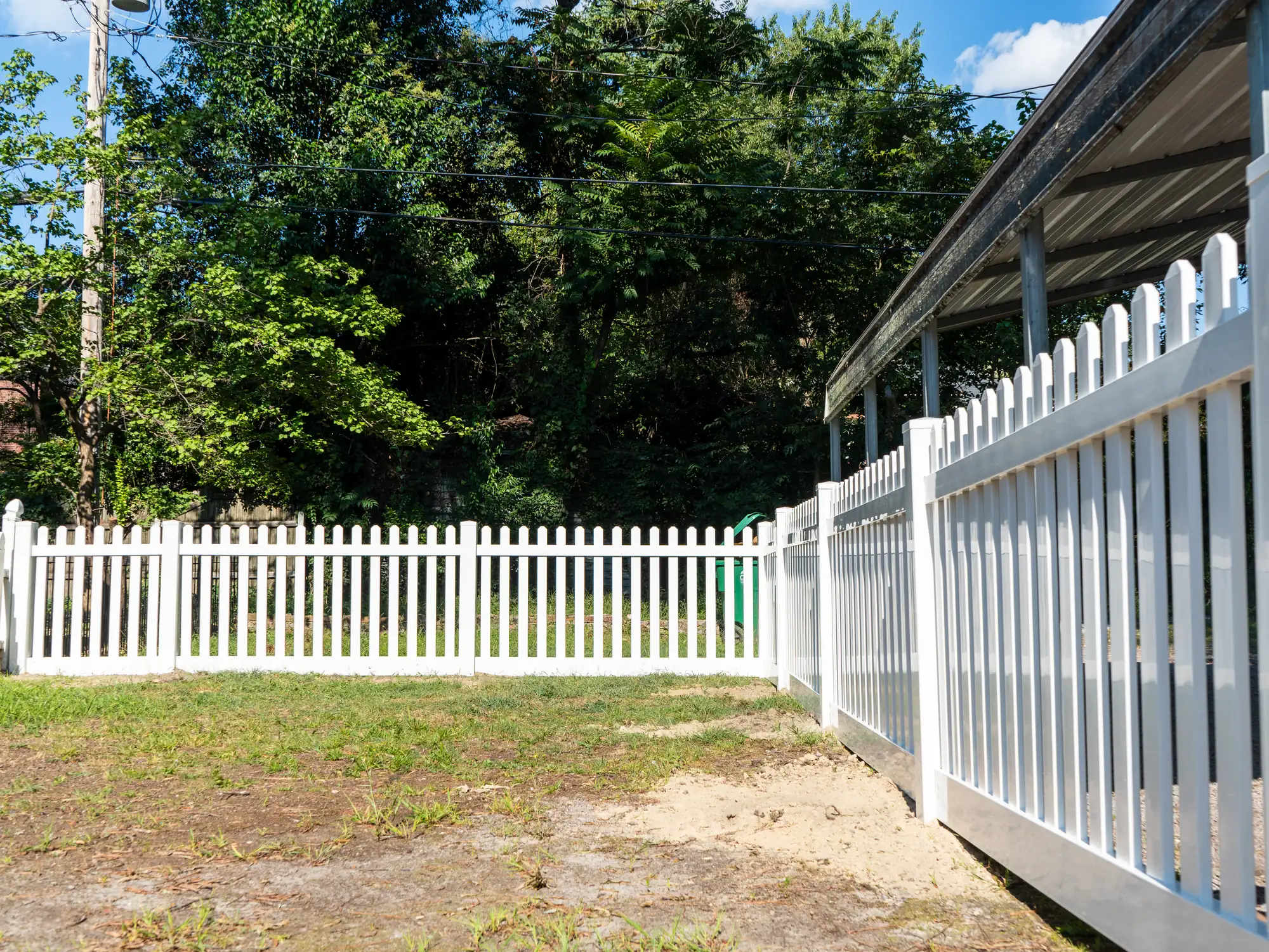
Vinyl cleans up with soap and water and never needs paint or stain. That low upkeep appeals to buyers who don’t want weekend chores. It often costs more upfront than wood, though. See our vinyl fence installation options or this classic vinyl picket fence in Richmond.
Aluminum Fences
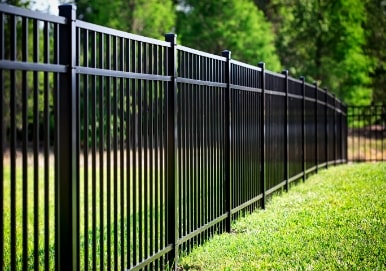
Aluminum gives the look of wrought iron without the rust, and it keeps views open. So it suits front yards, pool areas and homes where the view matters. Learn more about our aluminum fence installation.
Chain Link Fences
Chain link is affordable and practical for pets, but it offers little privacy and has a utilitarian look. In neighborhoods full of wood and vinyl, a chain link fence may not add much value. Still, for large lots or dog runs, chain link fencing can be the smart choice.
When Can a Fence Hurt Property Value?
A fence can work against you when it looks neglected, breaks local rules or doesn’t fit the home. Watch for these problems:
- Poor condition. Leaning posts, missing boards and peeling paint read as deferred maintenance.
- Rule violations. A fence that’s too tall or in the wrong spot can cause trouble with the county or HOA. For example, Chesterfield County allows fences up to 7 feet in side and rear yards but only 4 feet in front yards.
- A style that clashes. A tall privacy fence across the front of a traditional home can make it feel closed off.
- Poor placement. A fence built over the property line can lead to a dispute with the neighbor, or to a fence that has to come down.
So check your county rules and HOA covenants before you build. Our guide to installing a fence in an HOA walks through the approval process.
Tips to Make Sure Your Fence Will Add Value
- Match the neighborhood. Drive your street and note which fence styles and heights already look at home there.
- Pick a material for your upkeep level. If you won’t keep up with sealing wood, look at vinyl or aluminum instead.
- Think about the next owner. A backyard privacy fence paired with a lower, open style out front works on many homes.
- Plan gates for real use. A wide gate for mowers or a trailer makes the yard easier to live with.
- Put the budget into quality. Straight lines, solid posts and good hardware matter more than extras.
For pricing, see our guide to fence installation cost. If you’d rather spread the cost out, look at fence financing. Then, once the fence is in, basic fence maintenance keeps it looking sharp when it’s time to sell.
Get a Fence Quote for Your Central Virginia Home
Good Neighbor Fence is a family owned fence company that has served the Greater Richmond area since 2006, with 400+ five-star Google reviews from local homeowners. Request a fast, free quote and we’ll help you pick a fence that fits your home, your neighborhood and your plans. You can also call us at (804) 737-4664.