

An aluminum vs steel fence choice comes down to one trade. Steel is stronger, but aluminum won’t rust. For most homes, aluminum is the better pick because it needs almost no upkeep. Steel earns its place where security or impact resistance comes first.
Both metals give you the same classic black ornamental look on day one, so the real differences show up over the years. Here’s how they compare on strength, rust, upkeep, cost and style. If you’re also weighing wood or vinyl, our pros and cons of each fence type covers every material.

Aluminum vs Steel Fence at a Glance
Aluminum weighs about one-third as much as steel and forms its own protective oxide coating when it meets air, according to aluminum producer Hydro. That one difference drives most of the others.
- Strength: steel is stronger and stiffer, so it resists bending from hard hits.
- Weight: aluminum panels are much lighter, so they go up faster and put less strain on posts and gates.
- Rust: aluminum doesn’t rust. Steel stays rust free only while its zinc and paint coatings stay intact.
- Upkeep: aluminum needs an occasional wash. Steel needs the same, plus touch-ups when the coating chips.
- Cost: aluminum usually costs less to buy and install.
- Best fit: aluminum for yards, pools and gardens. Steel for high-security or high-impact spots.
For a closer look at aluminum on its own, read our aluminum fence pros and cons.
Strength and Security: Where a Steel Fence Wins
Steel is the stronger metal, and it isn’t close. A steel fence stands up better to a leaning ladder, a stray mower or a falling limb. It’s also harder to bend or pry apart. That’s why you see steel around storage yards, utility sites and other properties where keeping people out is the main job.
Aluminum isn’t flimsy, though. A well-built residential aluminum fence holds up to kids, dogs and normal yard life for years. But a hard hit, like a car backing into it, can bend a section. When that happens, you usually replace the panel instead of straightening it.
So think about what your fence has to stop. If it has to hold back people or take abuse, steel earns its extra weight. If it has to mark a property line, keep a dog in or meet pool code, aluminum does the job.
Rust and Weather Resistance in Central Virginia
Rust is the biggest gap in the aluminum vs steel fence debate. Because aluminum builds that thin oxide layer on its own, it doesn’t rust through Richmond’s humid summers, wet winters or constant sprinkler spray. Most aluminum fence panels also carry a powder coat finish for color, so a scratch is only a cosmetic issue.
Steel does rust once water reaches bare metal. Makers protect it with a zinc galvanized layer, then paint or powder coat over the top. The American Galvanizers Association notes that zinc coatings wear fastest in industrial and marine settings, and that thicker coatings last longer.
That matters if you live near the tidal rivers east of Richmond or out toward Williamsburg. On steel, a nick from a string trimmer or a gate latch can let rust creep under the paint. The same nick on aluminum just needs a dab of touch-up paint for looks.
Maintenance: How Much Work Does Each Fence Need?
An aluminum fence asks very little of you. Rinse it with a hose or wash it with mild soap once or twice a year. Then check the gate hinges and latch now and then so the gate keeps closing cleanly.
A steel fence needs the same wash, plus a close eye on chips and scratches. When you spot bare metal, sand it lightly and touch it up with matching paint before rust spreads. If you skip that step for a few seasons, you’ll start to see rust stains at welds and post bases.
For a seasonal checklist that covers every material, see our guide to fence maintenance.
Is a Steel Fence Worth the Extra Cost?
On price, the aluminum vs steel fence gap usually favors aluminum. Ornamental steel often costs more than a comparable aluminum fence, and its heavier panels take more labor to move and set. Over time, steel also adds the cost of paint and touch-up work. Still, steel is worth the extra money when strength is the whole point, such as a commercial lot that needs a true security barrier.
Aluminum keeps costs down on install day, too. Its light panels go up quickly, and our crews typically finish an aluminum fence installation in 1 to 2 days. Your final price depends on height, style, footage and how much your yard slopes.
For real numbers, read our breakdown of aluminum fence cost. And if you’d like to spread payments out, look into our fence financing options.
Style and Design Options
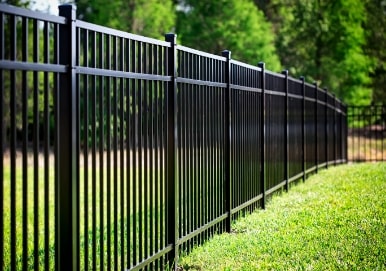
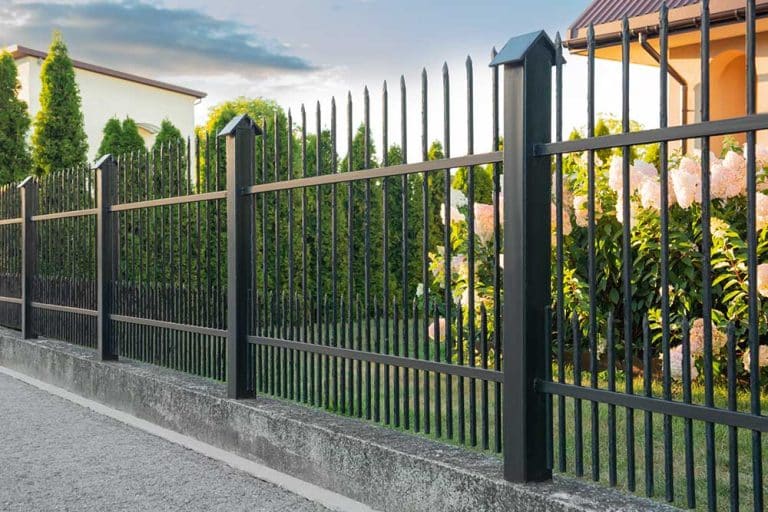
From the street, black aluminum and black steel look almost the same. Both come in flat top and spear top styles, and both can take finials, rings and scrolls for extra detail. Either one gives you a clean, traditional look that suits a brick colonial or a new build.
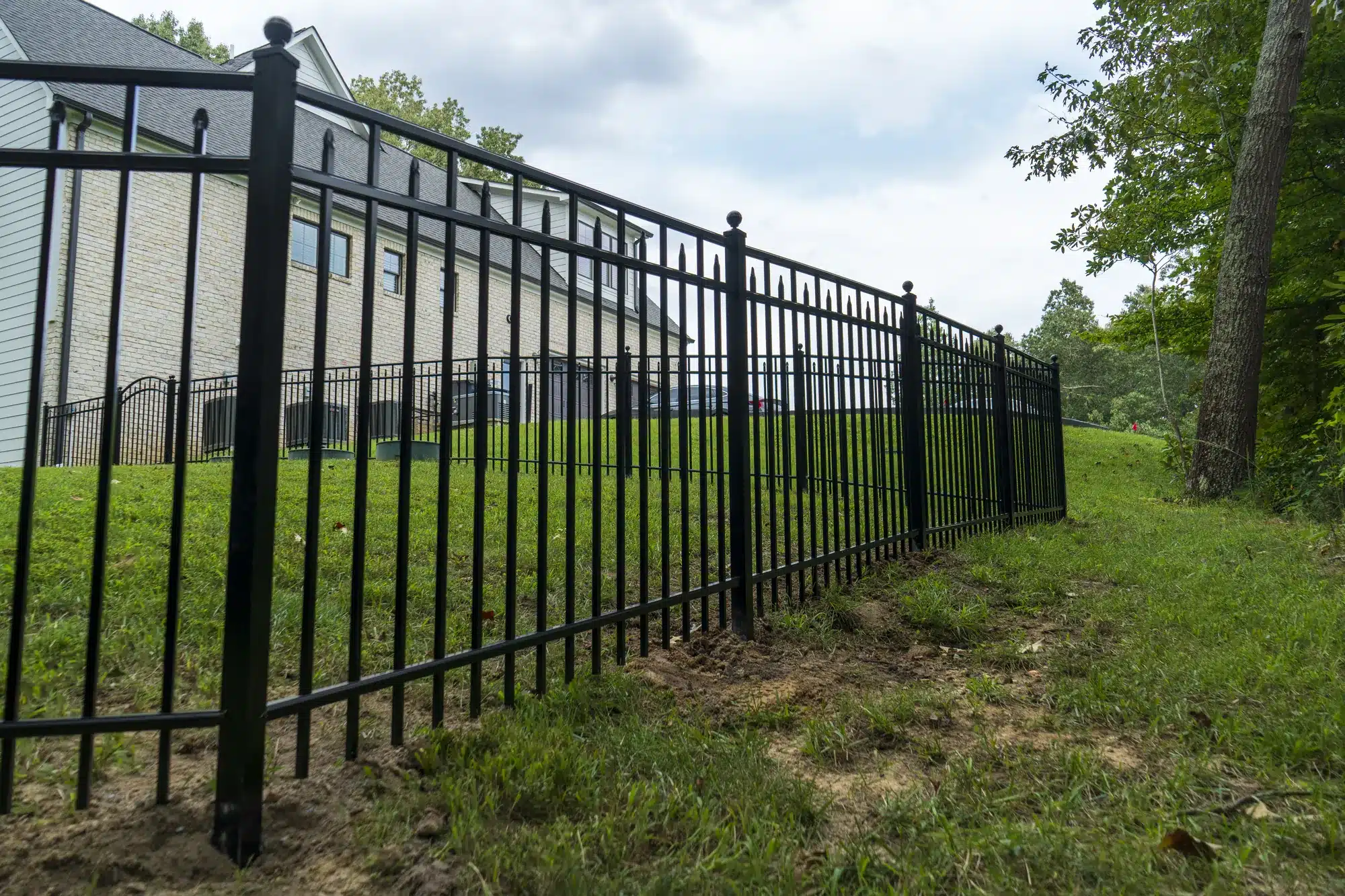
Many aluminum lines also come in bronze or white, and many styles rack to follow a slope. For example, we built a 4 foot black Siskin style aluminum fence for a new-build home in Chester. We racked the sections along the sloped yard, so the pickets stayed even and the owners kept their view of the tree line.
Want more ideas? Browse our roundup of popular aluminum fence styles.
Which Metal Is Better for Pools and Pets?
Both metals can make a safe pool barrier when you build them to code. The U.S. Consumer Product Safety Commission pool barrier guidelines call for a barrier at least 48 inches high, with openings a 4 inch sphere can’t pass through. Gates should open outward, away from the pool, and be self-closing and self-latching.
Around pools, aluminum is usually the easier choice, since splash water and wet grass won’t make it rust. Before you pick a height and gate, check our guide to Virginia pool fence rules.
For dogs, either metal works if the pickets are close enough together. Many aluminum styles offer puppy picket panels, which add extra pickets along the bottom to keep small dogs in. Our guide to the best fence for dogs compares other options, too.
Aluminum or Steel Fence: How to Choose
Most people settle the aluminum vs steel fence question quickly once they know what the fence is for.
- Choose aluminum if you want a fence that won’t rust, need a pool barrier, live near water or want the lowest upkeep.
- Choose steel if security or impact resistance matters most, such as a storage yard or an equipment lot.
- Still unsure? Ask what the fence has to stop. Most homes need a clear boundary, not a barrier that can take a hit from a truck.
Aluminum handles plenty of business sites, too. We installed a 6 foot commercial aluminum fence in Colonial Heights around an active business in two days. It defines the perimeter, controls the access points and keeps sightlines open along the street.
Recycling is one more point for aluminum. Hydro reports that recycling aluminum takes only 5% of the energy needed to produce it new, and nearly 75% of all aluminum ever made is still in use.
Get a Quote for Your Aluminum Fence
Good Neighbor Fence is a family-owned company that has built fences across Central Virginia since 2006. If aluminum fits your home, learn more about our aluminum fence installation, then request a fast, free quote. We’ll look at your property, walk you through styles and heights, and give you a clear price. You can also call us at (804) 737-4664.