


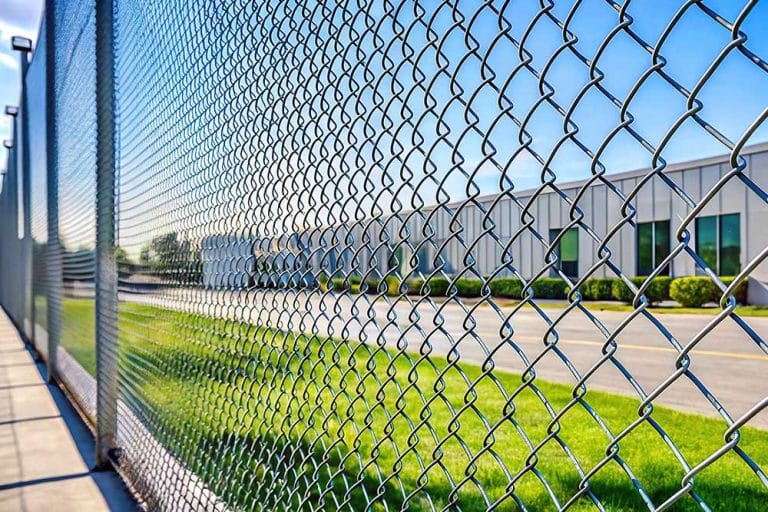
Most chain link top rail comes in one of two outside diameters: 1-3/8 inch or 1-5/8 inch. The lighter size is common on backyard fences, while the heavier 1-5/8 inch rail is the usual pick for tall fences, commercial sites and long, exposed runs.
Diameter is only half the story, though. Wall thickness, post spacing and how the rail is joined all affect how straight your fence stays. Below, you’ll see how to size the rail, what the industry specs say, and where homeowners tend to overspend or underbuild.

What Does a Chain Link Top Rail Do?
The top rail is the horizontal pipe that runs along the top of the fabric and ties every line post into one frame. It keeps the mesh from sagging between posts and gives the fence a clean, straight top edge. The Chain Link Fence Wind Load Guide from the Chain Link Fence Manufacturers Institute (CLFMI) explains that a rail or tension wire at the top and bottom of the fence handles the tension that keeps the fabric from sagging.
The same guide notes that top rail design can limit how far apart the posts go. So pick the rail and plan the post spacing together, not one after the other.
Common Chain Link Top Rail Sizes
Master Halco’s chain link reference guide lists top rail in two outside diameters, 1-3/8 inch and 1-5/8 inch. Each comes in several wall weights, from 17 gauge up to full weight pipe. Here are the top rail dimensions at a glance, with details below:
- Outside diameter: 1-3/8 inch or 1-5/8 inch, with commercial specs calling for 1.660 inch
- Wall weight: 17 gauge up to full weight pipe
- Section length: 21 feet in the CLFMI commercial spec
- Joints: top rail sleeves at least 6 inches long
The Lighter 1-3/8 Inch Option
This is the lighter option, and you’ll see it on many residential fences from 3 to 6 feet tall. It costs less and weighs less. When the posts are set at proper spacing, it handles a typical backyard fence well.
The Heavier 1-5/8 Inch Option
The heavier rail is stiffer, so it resists bending when a ball, a falling branch or a leaning dog hits the fence. The CLFMI specification for commercial chain link calls for 1.660 inch outside diameter rail (just over 1-5/8 inches) on commercial, industrial and security fences.
Wall thickness matters as much as diameter. With gauge numbers, a lower number means a thicker wall, so 16 gauge is heavier than 17 gauge. The CLFMI spec shows the difference in weight: its heavier 1.660 inch rail weighs 2.27 pounds per foot, while its lighter version weighs 1.84 pounds per foot.
Also, don’t mix up rail and post sizes. Sizes like 2-3/8 inch show up on Master Halco’s list as terminal posts, not as top rail.
How to Choose the Right Top Rail Size
Start with these five questions. If you answer yes to two or more, lean toward the heavier rail.
- Is the fence 6 feet or taller? Taller fabric puts more load on the frame, so a stiffer rail helps keep the top line straight.
- Is the site open and windy? Wind pushes on the whole fence. Slats or windscreen add a lot more load, because the fabric no longer acts like open mesh.
- Will people, balls or animals hit it? Ball fields, dog runs and busy sidewalks all push on the rail from the side.
- Is it a commercial or security fence? Commercial specs like the CLFMI guide are written around heavier framework.
- Do you want wider post spacing? Since rail design can limit spacing, a lighter rail may need posts closer together.
Then match your fittings to the rail. Rail ends, sleeves and line post caps come sized to the pipe, so a 1-5/8 inch rail needs 1-5/8 inch fittings.
How the Rail Goes Together at the Posts
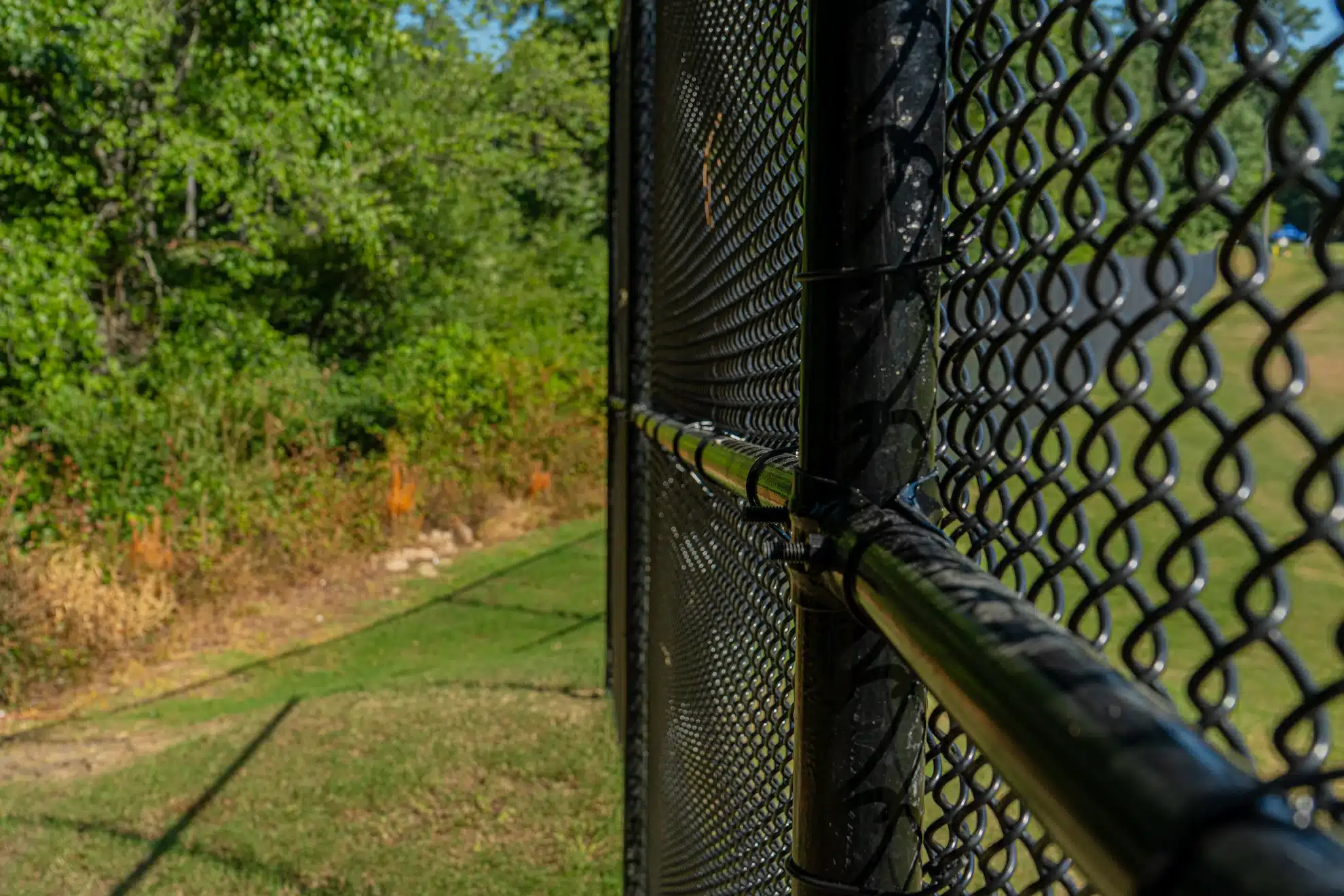
On a well built fence, the rail runs through a loop cap on top of each line post and stops at the end, corner and gate posts. At those terminal posts, the CLFMI spec secures the rail with a brace band and a rail end.
The same spec describes rail in 21 foot lengths running continuously through the line posts, with sections joined by top rail sleeves at least 6 inches long. It also sets line posts no more than 10 feet apart on center, and it places a bottom tension wire 4 inches up from the bottom of the fabric.
Those details matter more than rail size alone. A heavy rail on leaning posts, or joints without sleeves, will still sag and wander.
Is a Heavier Chain Link Top Rail Worth the Cost?
For a 4 foot backyard fence with normal post spacing, standard residential rail is usually enough. But quality framework is cheap insurance on bigger jobs. According to the CLFMI, chain link that meets ASTM residential standards is 55 percent stronger, yet costs only about 10 percent more than lower quality chain link.

So if your fence is tall, exposed or guarding a business, spend the extra on heavier rail and posts. If it’s a short, sheltered yard fence, put that money into solid posts and footings instead.
Our Work Around Richmond and Chesterfield
Good Neighbor Fence builds chain link fences for homes and businesses across Central Virginia. At Brandermill Country Club in Chesterfield County, we built black chain link around the full 18-hole course, across open fairways, wooded edges and changes in grade.
We’re family owned, have served the Richmond area since 2006 and have earned 400+ five-star Google reviews. If you live nearby, see our Chesterfield chain link fence page. Still weighing materials? Compare the cost of chain link and vinyl fencing, or read our guide to commercial fence options for business properties.
Get a Quote for Your Chain Link Fence
Not sure which rail fits your fence? Request a fast, free quote or call (804) 737-4664, and we’ll talk through framework options for your height, site and budget.