

The composite vs vinyl fence choice mostly comes down to looks and budget. Composite looks and feels closer to real wood. Vinyl usually costs less and comes in more styles, from short picket fences to tall privacy panels. And neither one needs the staining and sealing a wood fence does.
Here’s how the two materials compare on looks, upkeep, strength, cost and installation. Then you’ll see which one fits your yard, your style and your budget.

What Is a Composite Fence?
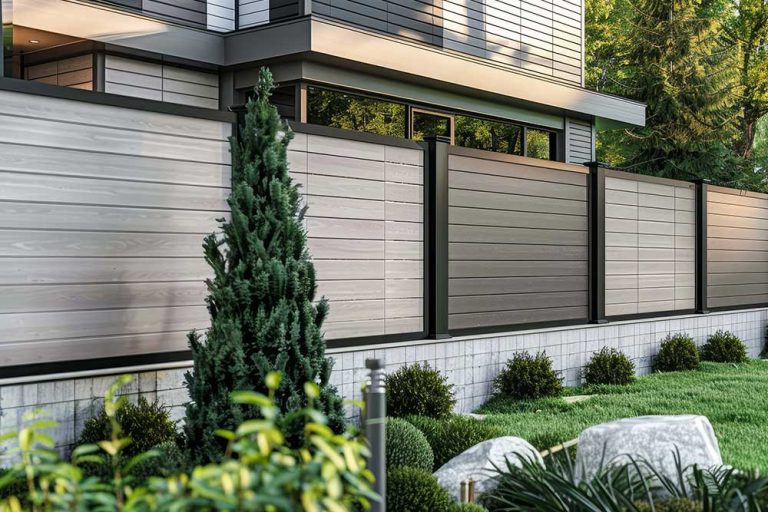
Composite fence boards blend wood fiber and plastic into solid boards that look like stained wood. Trex, one of the best-known brands, says its composite fencing uses 95% recycled wood and plastic. The company also says the boards won’t rot, peel or splinter.
Composite boards are dense and heavy, so the systems use stout posts and rails. For example, Trex pairs 5 by 5 inch posts with a heavy-gauge aluminum bottom rail. Most composite fences are privacy fences, with boards set tight so you can’t see through them.
What Is a Vinyl Fence?
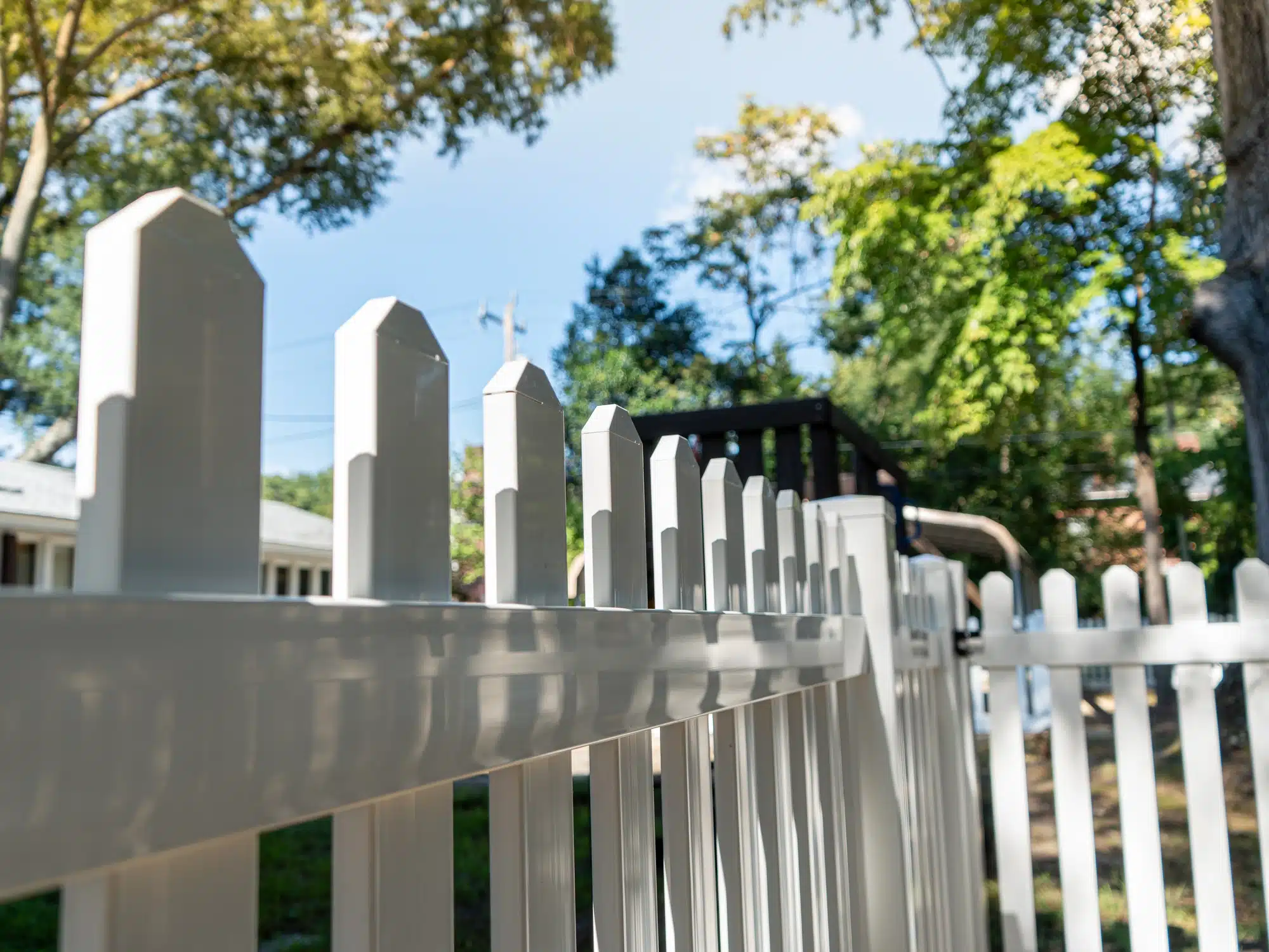
Vinyl fences use PVC formed into hollow posts, rails and panels. White is the classic color, and you’ll also find tan and gray. The styles run from low picket fences and ranch rail to full privacy panels.
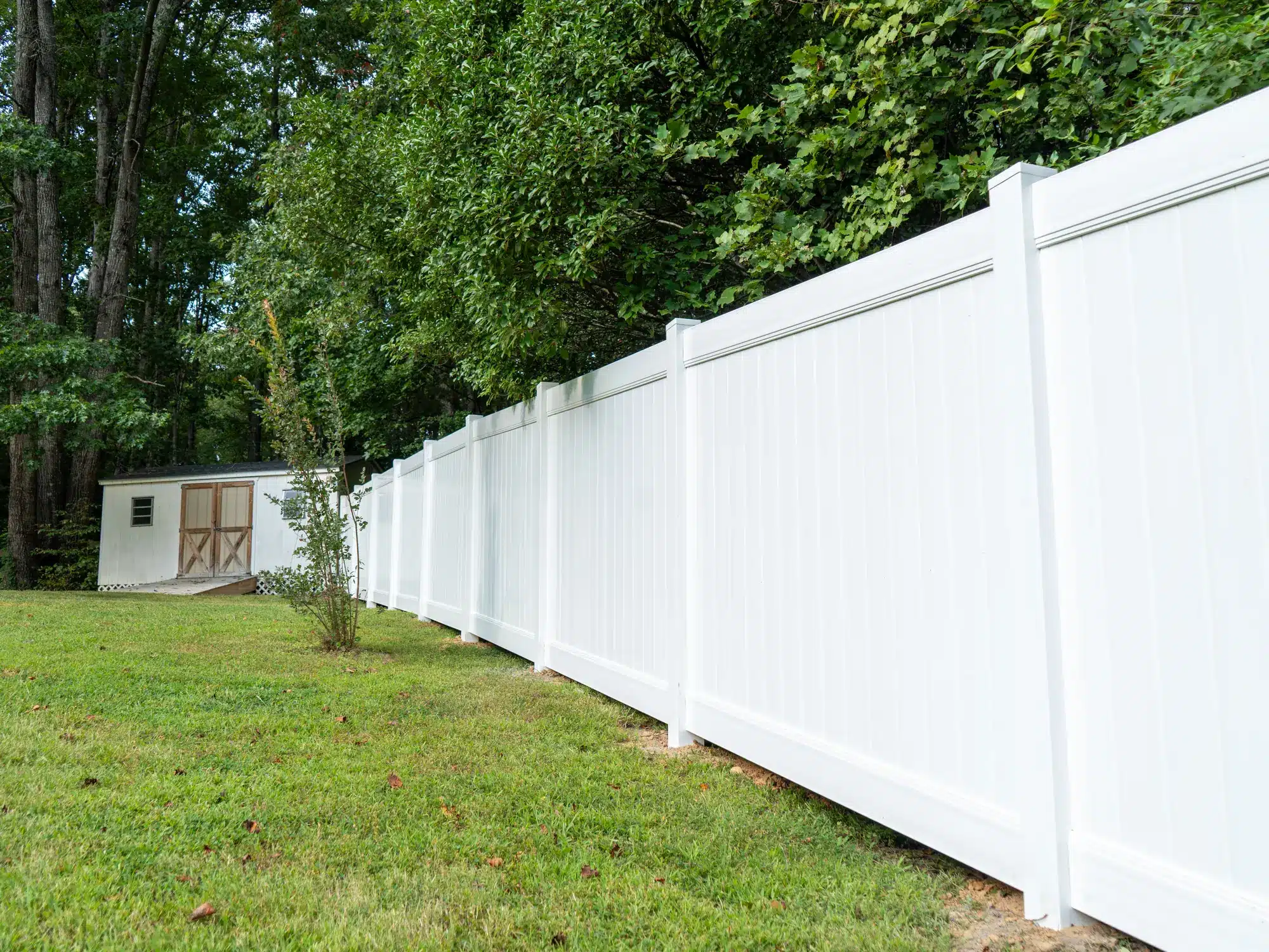
Vinyl also moves a little with the temperature. So the Bufftech installation guide tells installers to cut panels 1/2 inch shorter than the stiffeners, which leaves room for expansion and contraction. You can see finished examples on our vinyl fence installation page and in this Richmond vinyl privacy fence project.
Composite vs Vinyl Fence: Side by Side
Here’s how the two stack up on the things homeowners weigh most.
Looks and Style
Looks are the biggest composite vs vinyl fence difference. Composite has a wood-grain surface and earthy colors. Trex, for example, lists Saddle, Winchester Grey, Woodland Brown and Charcoal Black. So from the street, a composite fence reads as wood.
Vinyl has a smooth, bright finish. It’s the go-to for a classic white picket or a clean white privacy fence. If you want a crisp, uniform look, vinyl delivers it. But if you want the warmth of wood without the upkeep, composite gets closer.
Vinyl vs Composite Fence Maintenance
Neither material needs paint or stain. Trex says soap, water and a soft bristle brush are all its fencing needs. VEKA’s vinyl fence care guide gives similar advice: rinse from the top down with a garden hose, then use a mild cleaner on stubborn spots. VEKA also warns against solvent cleaners such as chlorine bleach and grease remover, and against too much pressure from a pressure washer.
Either way, plan on a wash at least once a year, especially on a shady side where dirt and mildew build up. Our vinyl fence maintenance tips walk through the steps.
Strength and Weather
Both materials stand up to Virginia humidity better than bare wood, because there’s no exposed lumber to rot. Composite’s weight gives it a solid, heavy feel. Vinyl is lighter, so good posts and footings matter even more. Our guide to how much wind a vinyl fence can take explains what affects its wind resistance.
Vinyl gates also need extra support. The Bufftech guide calls for aluminum post inserts, or concrete and rebar, in every hinge and latch post. Our post on aluminum fence post inserts explains how they work. For other issues to watch, see our list of common vinyl fence problems.
Composite vs Vinyl Fence Cost and Warranty
Composite usually costs more than vinyl for the same length and height. Still, brand, style, gates and your yard all change the final number, so compare quotes for your exact project. Our fence installation cost guide explains what drives a fence price.
Warranties differ too. Trex backs its fencing with a 25-year residential limited warranty. Vinyl warranties vary by manufacturer, so ask to see the written warranty for the exact product in your quote.
Installation
Both fences need posts set firmly in the ground. The Bufftech guide, for example, says all of its vinyl posts need concrete around the base. Composite panels weigh more, so they take more effort to carry and set. Vinyl’s hollow parts are lighter, and the rails slide into routed posts.
Before any posts go in, a crew should contact Virginia 811 to mark buried utility lines. If you’re in an HOA, get your design approved first, too. Our tips on installing a fence in an HOA explain how.
Pools and Pets
A tall, solid privacy fence in either material can work around a pool, as long as the design meets barrier rules. The CPSC pool barrier guidelines call for a barrier at least 48 inches tall, with no more than 4 inches of clearance at the bottom. Local codes can add more, so our overview of Virginia pool fence rules is a good next read.
For dogs, solid privacy panels in either material leave no gaps to squeeze through, and they block the view of passersby. Our guide to the best fence for dogs covers height and digging, too.
Composite Fence vs Vinyl: Which Lasts Longer?
Trex says its composite fencing is designed to last at least 25 years, and its residential warranty runs the same length. Vinyl’s lifespan depends on the product, the installation and how much sun and impact it sees. So the written warranty is the best guide for any vinyl line you’re considering.
For either material, a good installation adds years. Posts set deep in concrete, well-supported gates and a yearly wash all help a composite or vinyl fence last.
Composite vs Vinyl Fence: Which Is Better for Your Yard?
There’s no single winner. Instead, match the material to what matters most to you.
Choose composite if:
- You want a fence that looks like real wood from the street.
- You like darker, earthy colors instead of white.
- You’re building a privacy fence and can budget a bit more up front.
Choose vinyl if:
- You want a bright white or other light-colored fence.
- You need a picket, ranch rail or semi-private style, not just full privacy.
- You want to keep the upfront cost lower.
Still weighing wood, too? Our composite and wood fence comparison covers that matchup, and our guide to the pros and cons of each fence type compares every major material.
Get a Quote for a Composite or Vinyl Fence in Richmond
Good Neighbor Fence is a family-owned fence company serving the Greater Richmond area since 2006, with 400+ five-star Google reviews. We build privacy fences in wood, vinyl and composite, plus vinyl picket and ranch rail styles. Request a free on-site quote or call (804) 737-4664, and we’ll help you compare both materials for your yard. Financing with rates from 0% APR, depending on credit, is also available through our fence financing partner.