


Yes, chain link is cheaper than vinyl to install on almost any yard. The chain link vs vinyl fence cost gap comes down to material and labor, because steel mesh on slim posts takes less of both than solid vinyl panels.
Over the life of the fence, though, the gap narrows. Vinyl needs very little upkeep, and it gives you privacy that chain link can’t match without add-ons. Each add-on, from a black coating to privacy slats, moves chain link a little closer to vinyl.
Good Neighbor Fence has been family owned since 2006, and we install both. We don’t publish prices, since every number depends on your footage, gates and ground.
Is Chain Link Cheaper Than Vinyl?
Chain link almost always wins on upfront cost. Here’s why, in plain terms.
- Less material per foot. A chain link fence uses woven steel fabric stretched between round steel posts. A vinyl fence uses thick PVC posts, rails and interlocking boards, so every section holds more product.
- Faster installation. Chain link fabric unrolls along the line, and the crew pulls it tight between end posts. Vinyl goes up one panel at a time, and each post has to land at the exact panel width, so layout takes longer.
Still, compare like for like. A 4-foot galvanized chain link fence and a 6-foot vinyl privacy fence do different jobs, so of course the chain link costs less. When you price chain link built to do more (taller, black coated, with privacy slats), the chain link vs vinyl gap gets smaller. For a closer look at each material, see our guides to chain link fence cost and what drives vinyl fence cost.
What Drives Chain Link vs Vinyl Fence Cost
The same factors price both fences, but each one moves the number differently. Our overview of what drives fence installation cost covers the general picture.
Material, Height and Footage
Total footage is the biggest driver for any fence, since you pay for every foot of material and labor. Height comes next. Going from 4 feet to 6 feet adds fabric and taller posts to chain link. But on vinyl, that jump usually means moving from a picket style to a full privacy panel, which adds far more material.
Style matters most with vinyl. Picket and semi-privacy styles use less material than solid privacy boards, so they sit closer to chain link.
Coatings and Privacy Slats
Standard chain link uses galvanized steel, which carries a zinc coating against rust. Colored chain link adds a layer of PVC over that steel. Master Halco’s chain link product guide lists coated fabric in black, green and brown. Coated fabric, posts and rails cost more than plain galvanized, but a black finish blends into trees and lawns far better.
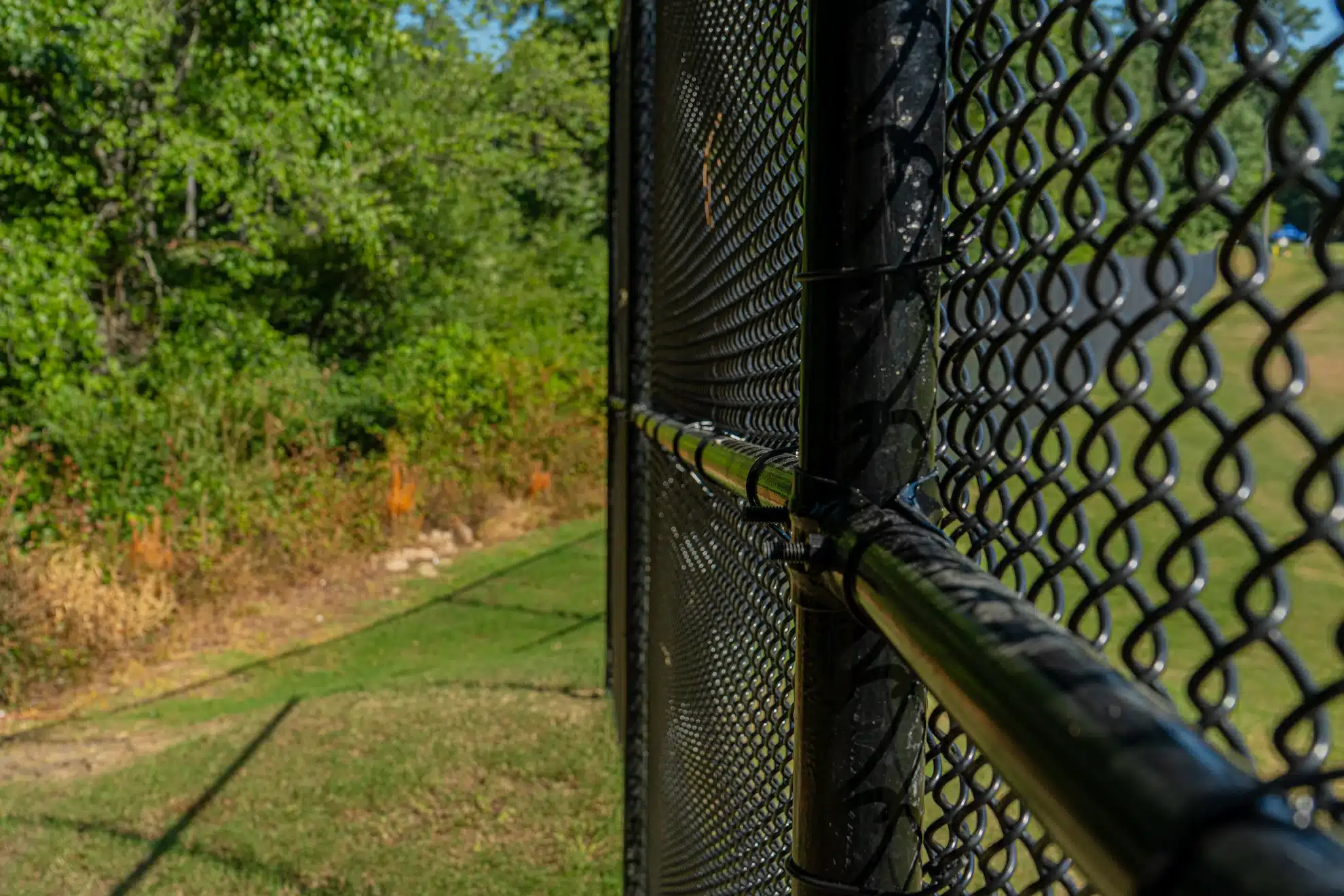
Privacy slats are polyethylene strips woven through the mesh. They add material and labor, and they also change how the fence handles wind. The Chain Link Fence Manufacturers Institute’s wind load guide sizes line posts and spacing by wind speed, fence height and how open the fabric is. Fill that open mesh with slats and each post carries more wind, so a slatted fence can call for heavier posts or closer spacing.
Posts and Gates
Every gate adds cost, because it needs its own heavier posts, hinges and latch. Vinyl gates add more. Bufftech’s vinyl fence installation guide calls for an aluminum stiffener inside hinge and latch posts, plus rebar and concrete fill in hinge, latch and end posts. That extra hardware and labor is part of why a vinyl gate costs more than a chain link gate.

So plan your gate count and widths early, since a wide double gate for a mower costs more than a single walk gate on either fence.
Slopes, Clay and Roots
Central Virginia yards rarely sit flat. Chain link handles a slope easily because the fabric follows the grade. Vinyl panels are rigid, so installers usually step them: the rails stay level and the posts get taller to follow the ground, as the Bufftech guide describes. That takes more layout time and sometimes longer posts.
Red clay, rock and tree roots slow down post holes for either material, so a wooded or rocky fence line will show up in both quotes.
Removing an Old Fence
Tearing out and hauling away an old fence adds labor to either job, especially when the old posts sit in concrete. Ask whether each quote includes removal, so you compare the same scope.
Chain Link vs Vinyl Over the Long Run
Upfront cost is only part of the bill, so weigh upkeep and lifespan too.
Vinyl upkeep is simple. It never needs paint or stain, and it won’t rot. VEKA, a vinyl fence maker, recommends cleaning its fence at least once a year with a garden hose and a mild cleaner, working from the top down. That’s about all it asks of you.
Chain link needs a little more attention. Vines and weeds grow through the mesh, so you’ll trim along the line a few times a year. If a limb falls on it, a top rail can bend or the fabric can lose tension. Galvanized steel resists rust well, while a black coating adds a second layer of protection.
As for lifespan, both last many years when the installer sets the posts right. Vinyl keeps a clean look with a yearly wash, while galvanized chain link tends to dull over time. Still, installation and exposure matter more than the material alone.
So vinyl wins back some of its higher upfront cost through lower upkeep, which matters if you plan to stay in the house for years.
Privacy and Looks: Chain Link vs Vinyl
This is where the two fences part ways. A 6-foot vinyl privacy fence blocks ground-level views. On our Chesterfield vinyl privacy project, tongue-and-groove boards fit together with no gaps, so the screening stays even on every run.

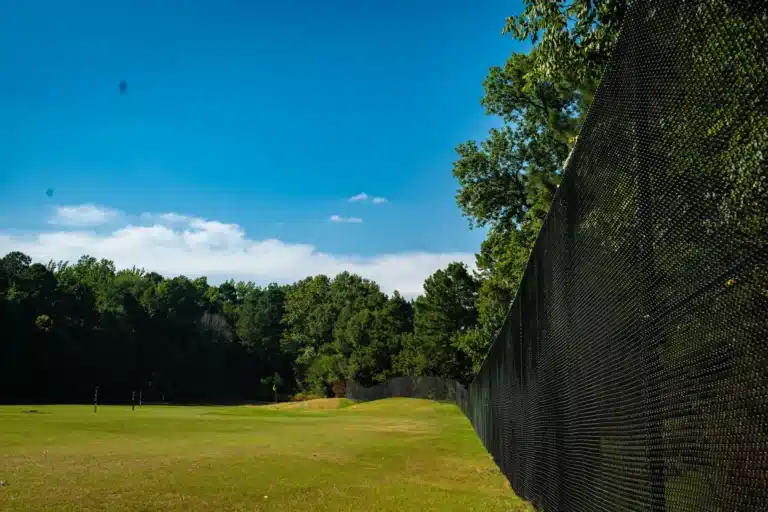
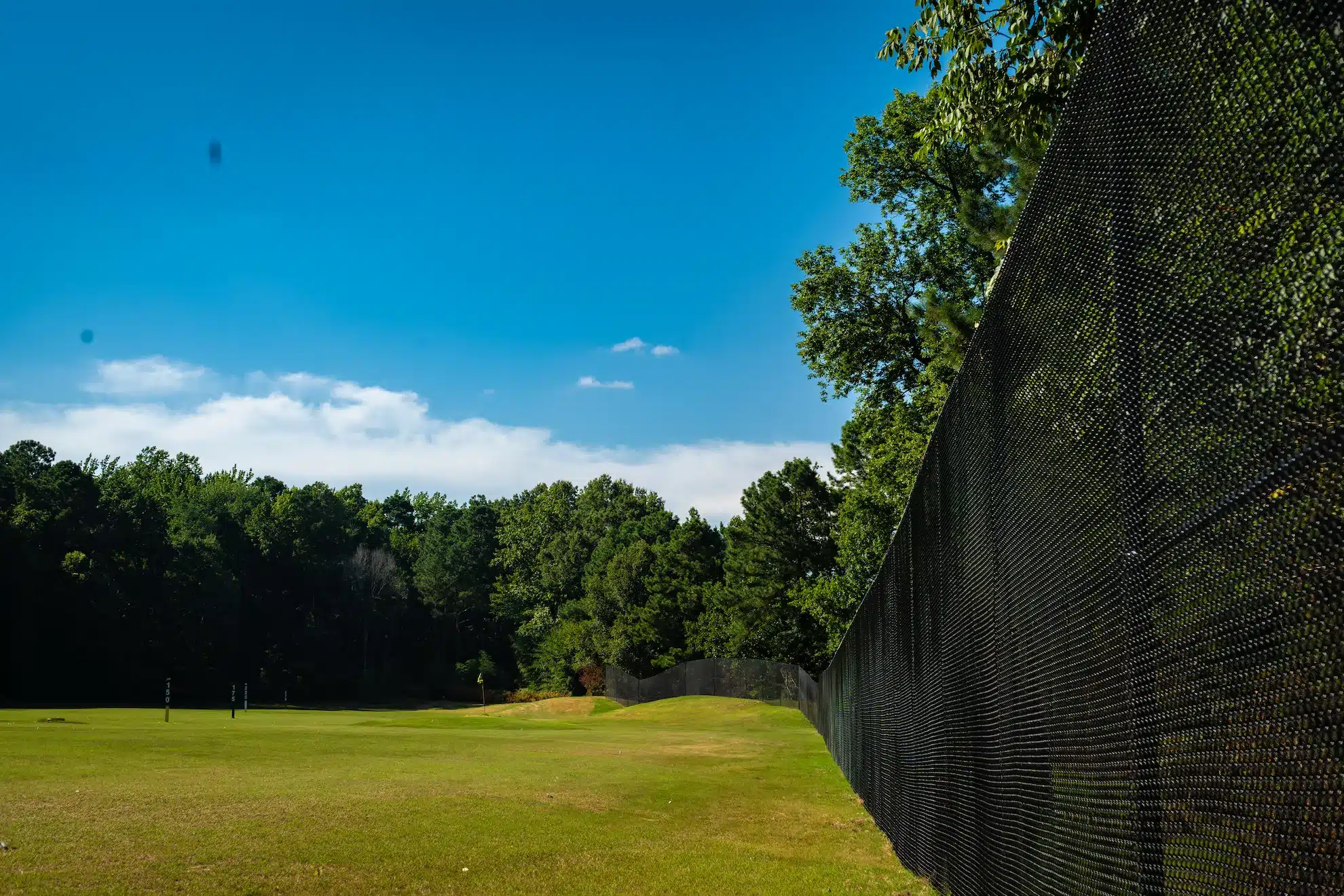
Chain link is see-through by design. That’s a plus when you want a boundary that doesn’t wall off the view. At Brandermill Country Club, black-coated chain link runs thousands of feet along the course and fades into the tree line.
Slats add partial screening, but they won’t give you the solid look of vinyl. If privacy is the main goal, vinyl or another privacy fence style is the better fit.
Pets and HOAs matter too. Chain link keeps most dogs in at a low cost, and our guide to the best fence for dogs covers climbers and diggers. Some HOAs limit chain link, so read your covenants and our post on installing a fence in an HOA before pricing either fence.
Chain Link vs Vinyl at a Glance
Here’s how the two compare without the price tags.
| Factor | Chain link | Vinyl |
|---|---|---|
| Install cost | Usually the lowest of any common fence | Higher, especially for full privacy |
| Privacy | See-through; slats add partial screening | Full privacy with solid panels |
| Upkeep | Trim vines, check tension after storms | Wash about once a year; no paint or stain |
| Looks | Practical; black coating blends in | Clean, finished look |
| Wind | Open mesh lets most wind through | Solid panels catch wind, so posts matter |
| Slopes | Fabric follows the grade | Panels step down the slope |
| Best for | Large areas, dogs, back property lines | Privacy, patios, curb appeal |
Which Should You Choose for Your Yard?
Start with the job the fence has to do, then match the material. Here’s how it usually shakes out on Central Virginia properties.
- Big back lots and acreage. On a wooded lot in Powhatan, Chesterfield or Hanover where you mainly need to keep pets in, chain link covers the most ground for the budget.
- Neighborhood lots. In subdivisions around Midlothian, Glen Allen or Mechanicsville, where the next house sits close, vinyl privacy usually earns its higher cost.
- A mix of both. Put vinyl privacy along the patio and the side facing the neighbors, then run black chain link along the back line or the woods. You get privacy where you sit and save money where nobody looks.
- Commercial and recreational sites. Long perimeters like the Brandermill course usually call for chain link, since it offers strength and value at that scale.
Browse our chain link fence installation and vinyl fence installation pages, or look through recent fence projects from around Richmond.
Chain Link vs Vinyl Fence Cost FAQ
Is chain link cheaper than vinyl once you add privacy slats?
Usually, yes. Slats and a black coating raise the cost of chain link, but in most yards the total still lands below a vinyl privacy fence. The tradeoff is that slats give partial screening, not the solid privacy of vinyl panels.
Is chain link cheaper than wood?
In most cases, yes. A wood privacy fence generally costs more to install than chain link, and pressure-treated pine tends to land between chain link and vinyl. Wood also needs sealing or staining over the years. Our guide to wood fence cost breaks down what moves that number.
Is aluminum or vinyl fence cheaper?
It depends on the styles you compare. Ornamental aluminum and vinyl both sit at the higher end of residential fencing. Aluminum is open, so it’s a fair match for vinyl picket, not vinyl privacy. See what drives aluminum fence cost for the details.
Do I need a permit for a chain link or vinyl fence in Virginia?
Usually not a building permit. The Virginia Uniform Statewide Building Code exempts fences of any height unless they serve as a pool barrier or for pedestrian safety. Zoning still applies, though. Chesterfield County, for example, allows fences up to 7 feet in side and rear yards and up to 4 feet in front yards.
Get a Free Chain Link or Vinyl Fence Quote
The fastest way to settle chain link vs vinyl for your yard is to price both on your actual fence line. Good Neighbor Fence has been family owned since 2006, has 400+ five-star Google reviews, and most installs take 1 to 2 days. Financing through Wisetack starts at 0% APR for qualified buyers. Call (804) 737-4664 or request a fast, free quote today. In Fredericksburg, Stafford or Spotsylvania, call (540) 506-4835.