


The composite vs wood fence choice comes down to one trade: pay less now and maintain the fence, or pay more now and mostly just wash it. Wood costs less to build and gives you real grain you can stain any color. Composite costs more upfront, but it skips the sealing, staining and board swaps that wood needs over the years.
Both make solid privacy fences, and both are options we offer homeowners across Central Virginia. So here’s how the two compare on cost, upkeep, looks and lifespan, plus the situations where each one wins.

What Is a Composite Fence?
Composite fencing is made from wood fibers blended with plastic, then formed into boards that look like lumber. Trex, one of the best-known brands, says its composite fencing is made from 95% recycled wood and plastic. Many systems use interlocking boards that slot into posts or rails, and some horizontal styles sit inside a metal frame.
Because the wood fibers are bound up in plastic, composite handles moisture far better than bare lumber. For example, in USDA Forest Products Laboratory lab tests, wood-filled polyethylene composites lost much less weight to decay fungi than solid wood. Still, the samples did absorb some moisture. So think of composite as rot resistant, not rot proof.

What You Get With a Wood Fence
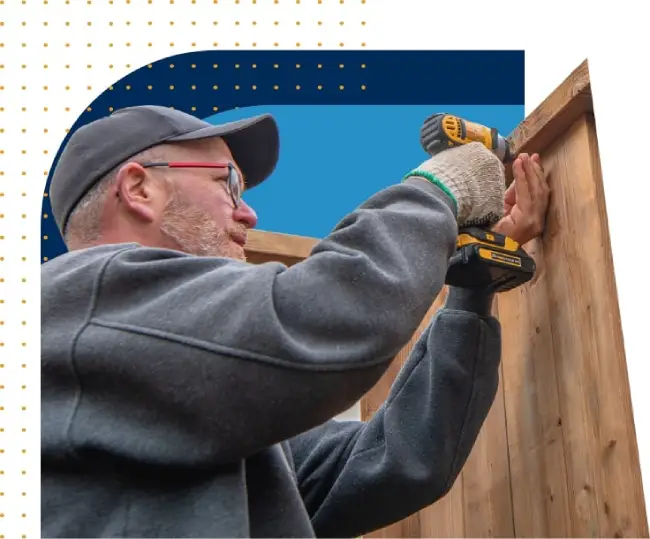
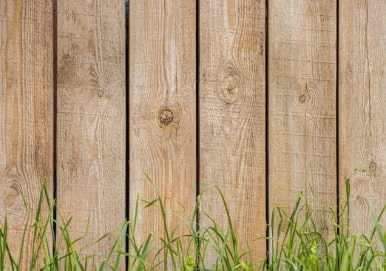
A wood fence is built the traditional way: posts set in the ground, rails between them, and pickets fastened to the rails. Pressure-treated pine is the budget-friendly standard for privacy fences, while cedar costs more and has a warmer natural color. You can stain or paint either one, and you can change the color later.
Wood is also easy to fix. If a storm cracks a picket, a matching board is a quick trip to the lumber yard, not a special order. But wood that stays damp will rot, so the posts matter most. The American Wood Protection Association says ground contact calls for treated wood rated UC4A or higher. So ask your installer what rating their posts carry.
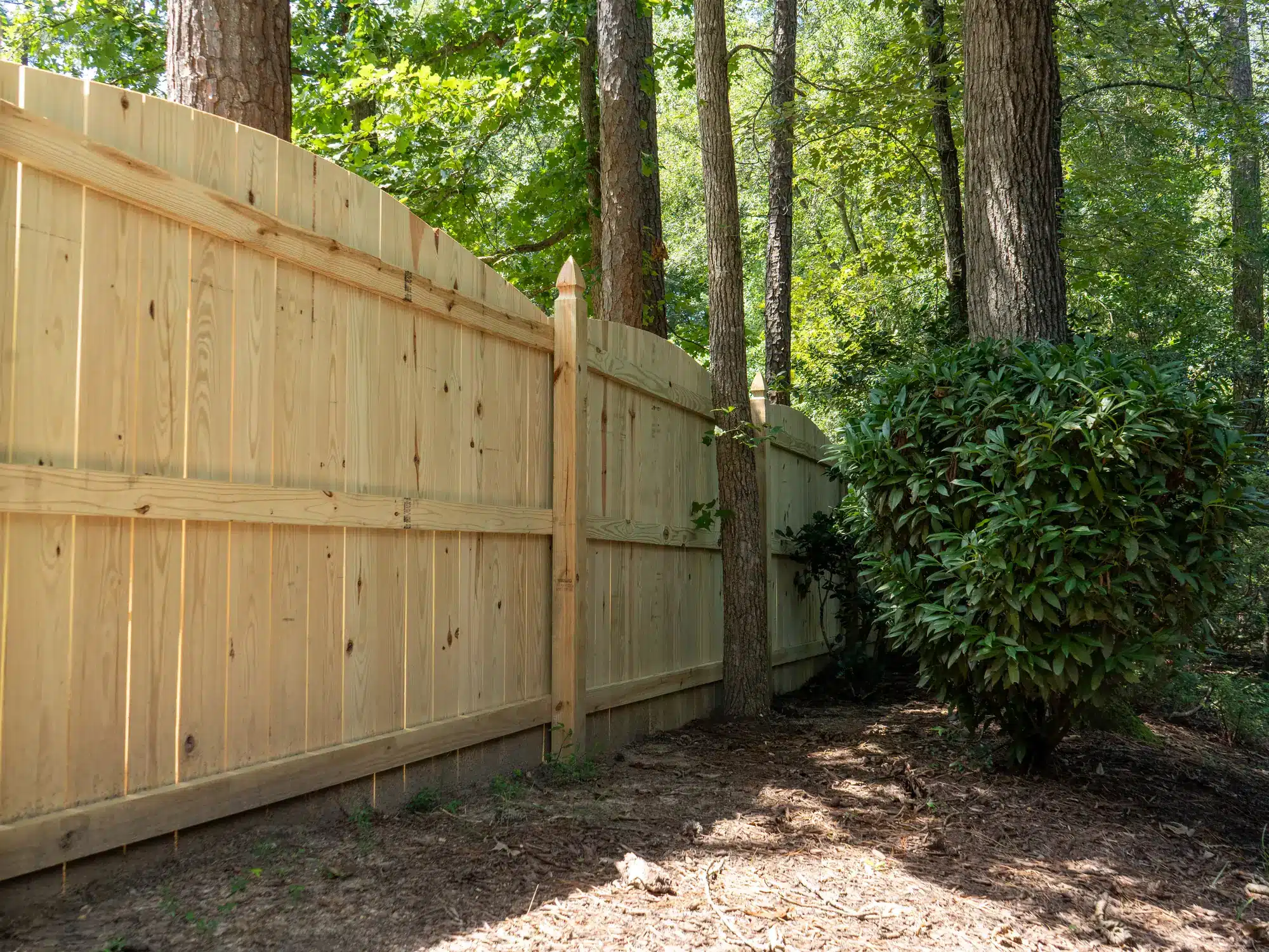
Composite vs Wood Fence at a Glance
If you only have a minute, this is how a composite vs wood fence compares on the points that usually decide it:
- Upfront cost: Wood costs less. Composite boards and posts cost more, so the same fence line quotes higher.
- Upkeep: Wood needs cleaning plus a fresh coat of stain or sealer every few years. Composite needs soap and water.
- Looks: Wood has real grain and weathers to gray if you leave it bare. Composite keeps a more uniform color and texture.
- Repairs: Any lumber yard sells wood boards. Composite boards have to match the brand, style and color.
- Warranty: Trex backs its fencing with a 25-year residential limited warranty. Wood relies on good materials and good care.
How Much Does Composite Fencing Cost Compared to Wood?
On day-one price, wood wins. Composite materials cost more than pressure-treated pine, so a composite privacy fence usually carries a higher quote for the same length and height. Gates, height and site work also move the number for both.
Since every yard is different, it helps to see what drives the price. Our guide to wood fence pricing explains what moves the number, and our fence installation cost guide covers the other materials.
Over time, though, the math changes. A wood fence keeps costing a little: stain or sealer, a few replacement pickets, and eventually a post or two. Composite skips most of that. So the gap narrows the longer you own the fence, especially if you’d pay someone to do the upkeep. If composite fits your goals but not this month’s budget, look at our fence financing options.
Which Lasts Longer in Virginia: Composite or Wood?
Lifespan is the other big factor in the composite vs wood fence decision. Moisture is what breaks down wood, and our humid summers keep shaded fence lines from drying out quickly. So a wood fence along a wooded lot line or a low, wet corner will age faster than one in full sun. Still, a well-built wood fence with ground-contact posts and regular sealing gives you many good years.
On the composite side, Trex says its boards won’t rot, peel or splinter and never need painting or staining. It also backs its fencing with a 25-year residential limited warranty. That’s a manufacturer’s product warranty, so read what it covers before you buy. Then ask your installer how posts and labor are covered too.
Maintenance: Stain and Sealer or Soap and Water
Upkeep is where the composite vs wood fence difference shows up most. A wood fence needs a routine. First, wash off mildew and dirt. Then let the wood dry and apply a stain or sealer to slow down moisture and sun damage. Our guide to sealing a wood fence walks through each step.
Composite care is simpler. Trex recommends soap, water and a soft bristle brush to clean its fencing, and you won’t sand, stain or paint it. Still, walk any fence line after big storms and look for damage from falling limbs. Our post on why fence maintenance matters has a simple checklist.
When a Wood Fence Is the Better Pick
- Your budget is tight, or you’re fencing a long run where cost per foot adds up fast.
- You want real wood grain or a custom stain color you can change later.
- You don’t mind a weekend of upkeep every few years.
- You want repairs a handy homeowner can make with boards from a local store.
If that sounds like you, see our wood fence installation page for the styles we build, or look at the board and lattice privacy fence we built for a Richmond home.
When Composite Fencing Makes More Sense
- You want a privacy fence that won’t need staining, sealing or painting.
- You plan to stay in the home for years, so lower upkeep pays you back.
- You like a clean look with consistent color from board to board.
- You’d rather wash a fence than work on one.
Composite isn’t the only low-upkeep choice, though. Vinyl also skips staining, so read how composite stacks up against vinyl before you decide. Our breakdown of the pros and cons of each fence type covers aluminum and chain link too.
Get a Quote for Your Central Virginia Privacy Fence
Still weighing composite vs wood fence options? We can help. Good Neighbor Fence is a family-owned company that has built fences in the Greater Richmond area since 2006 and has earned 400+ five-star Google reviews. Our privacy fence options include wood, vinyl and composite.
Request a fast, free quote and we’ll go over both materials with your yard, budget and HOA rules in mind. You can also call us at (804) 737-4664. We serve homeowners across Central Virginia, from Richmond and Chesterfield to Henrico, Hanover and Midlothian.