



An aluminum fence post insert is a metal stiffener that slides inside a hollow vinyl fence post so it can carry a gate or stand up to wind. Major vinyl fence makers call for one (or concrete and rebar) in gate hinge and latch posts, so if your vinyl fence has a gate, it needs this part.
An insert won’t fix a leaning post or soft soil, though. That is a footing problem. Below, we cover what an insert does, where it belongs, how it goes in, and why all-aluminum fences handle gates differently.
What Is an Aluminum Fence Post Insert?
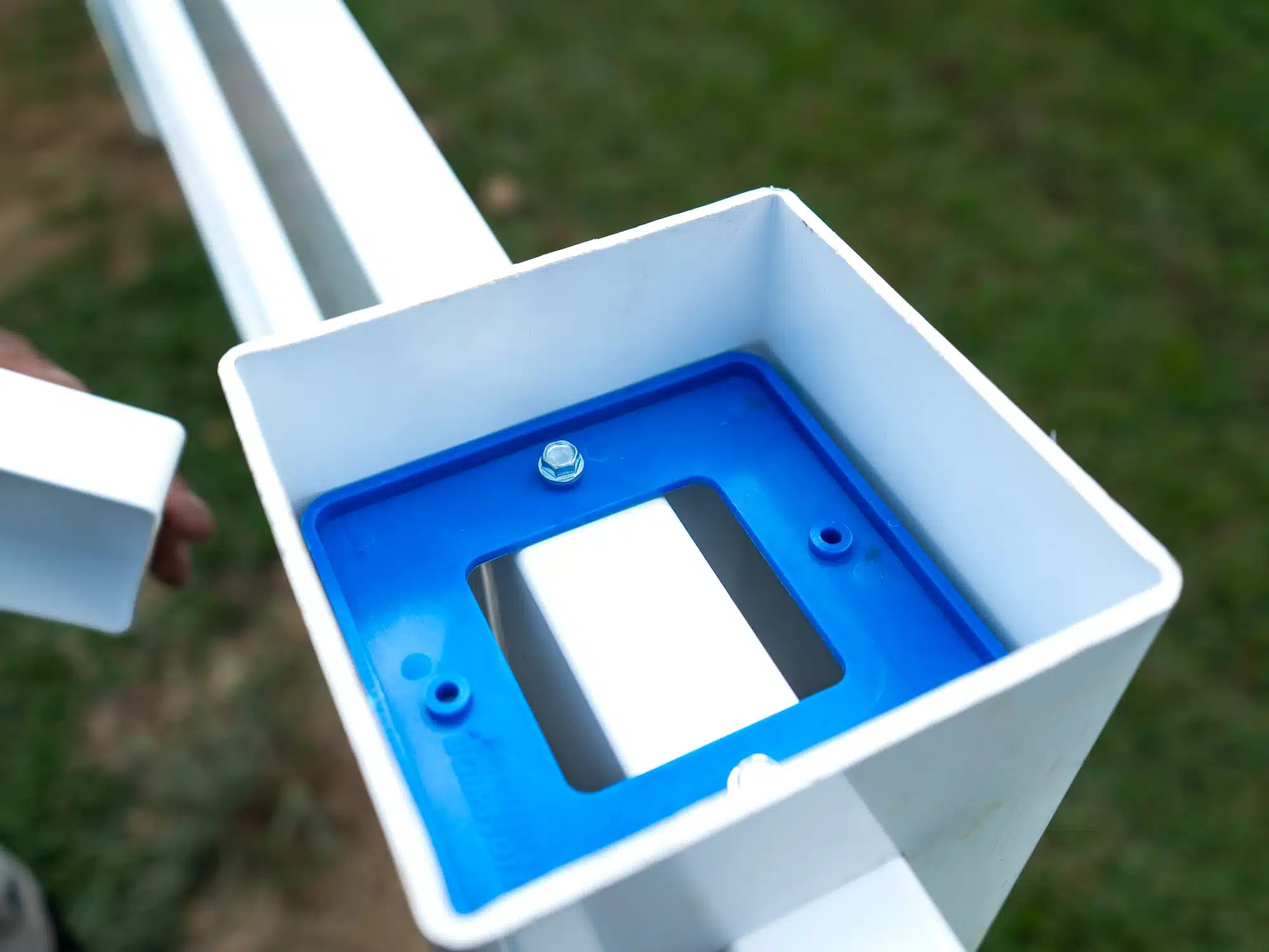
Vinyl posts are hollow PVC shells. That keeps them light, but a hollow shell can flex when a heavy gate swings on it every day. The insert, which many installers call a post stiffener, is an extruded aluminum channel that fits inside the post. It turns a flexible shell into a stiff column, and it gives hinge and latch screws solid metal to bite into.
You will also see aluminum inside vinyl rails, where it keeps long rails from sagging. VEKA’s installation guidelines, for example, call for reinforcing horizontal rails. That part is a rail stiffener, but it works on the same idea.
Where Manufacturers Call for a Post Insert
Gate posts come first. Bufftech’s installation instructions say all hinge and latch posts require reinforcement with aluminum post inserts tall enough to attach the gate hardware, or concrete and rebar instead. VEKA’s guidelines recommend stiffeners in posts that hang gates and in high wind areas.
- Hinge posts: they carry the full weight of the gate every time it opens.
- Latch posts: they take the hit when the gate swings shut.
- End posts: Bufftech lists end posts alongside hinge and latch posts for the stiffener or rebar method.
- Windy spots: VEKA recommends stiffeners in high wind areas, and Bufftech shows line post inserts for Florida hurricane zones.

Aluminum Insert or Concrete and Rebar?
Both methods stiffen a gate post, and Bufftech accepts either one. With the rebar method, its instructions call for two pieces of 1/2 inch rebar in each hinge, latch and end post, running from the bottom of the hole to about 12 inches from the top of the post.
An aluminum insert is lighter, and it gives hardware a clean surface to fasten into. Concrete and rebar is heavy and permanent. Still, follow whichever method your fence maker specifies, since its instructions match that product’s post size and wall.
Signs a Vinyl Gate Post Needs More Support
A vinyl gate post that lacks an aluminum fence post insert (or rebar and concrete) usually lets you know. Watch for these signs:
- The gate drags or sags on the latch side.
- The latch no longer lines up, so you have to lift the gate to close it.
- The hinge post visibly bends when the gate swings or slams.
- Hinge screws work loose, or the vinyl cracks around them.
Those symptoms can also come from a loose footing or a gate frame that is out of square, so find the cause before anyone picks a fix. On a new fence, the simplest answer is to build the gate posts right the first time.
How a Fence Post Insert Goes In
Here is the basic order from Bufftech’s gate post instructions. Your product’s steps may differ, so check its guide first.
- Confirm the insert matches the post size and profile your fence maker lists.
- Slide the insert into the hinge, latch or end post with its open side facing the routed rail holes.
- Drive a screw through the vinyl into the insert near the bottom of the post to lock it in place.
- Set and plumb the post at the depth the manufacturer lists, then let the concrete cure before you hang the gate.
- Mount the hinges and latch so their screws reach the insert, which is why it has to run high enough to meet the hardware.
For more on fasteners, see our post on screws in vinyl fence installation and our guide to vinyl fence parts.
What About All-Aluminum Fences?
On an ornamental aluminum fence, the posts are already metal, so you won’t find a separate aluminum fence post insert. Instead, the strength comes from the post itself. Jerith’s aluminum fence installation guide explains that a gate post matches an end post but has walls twice as heavy to support the weight and latching of a gate.
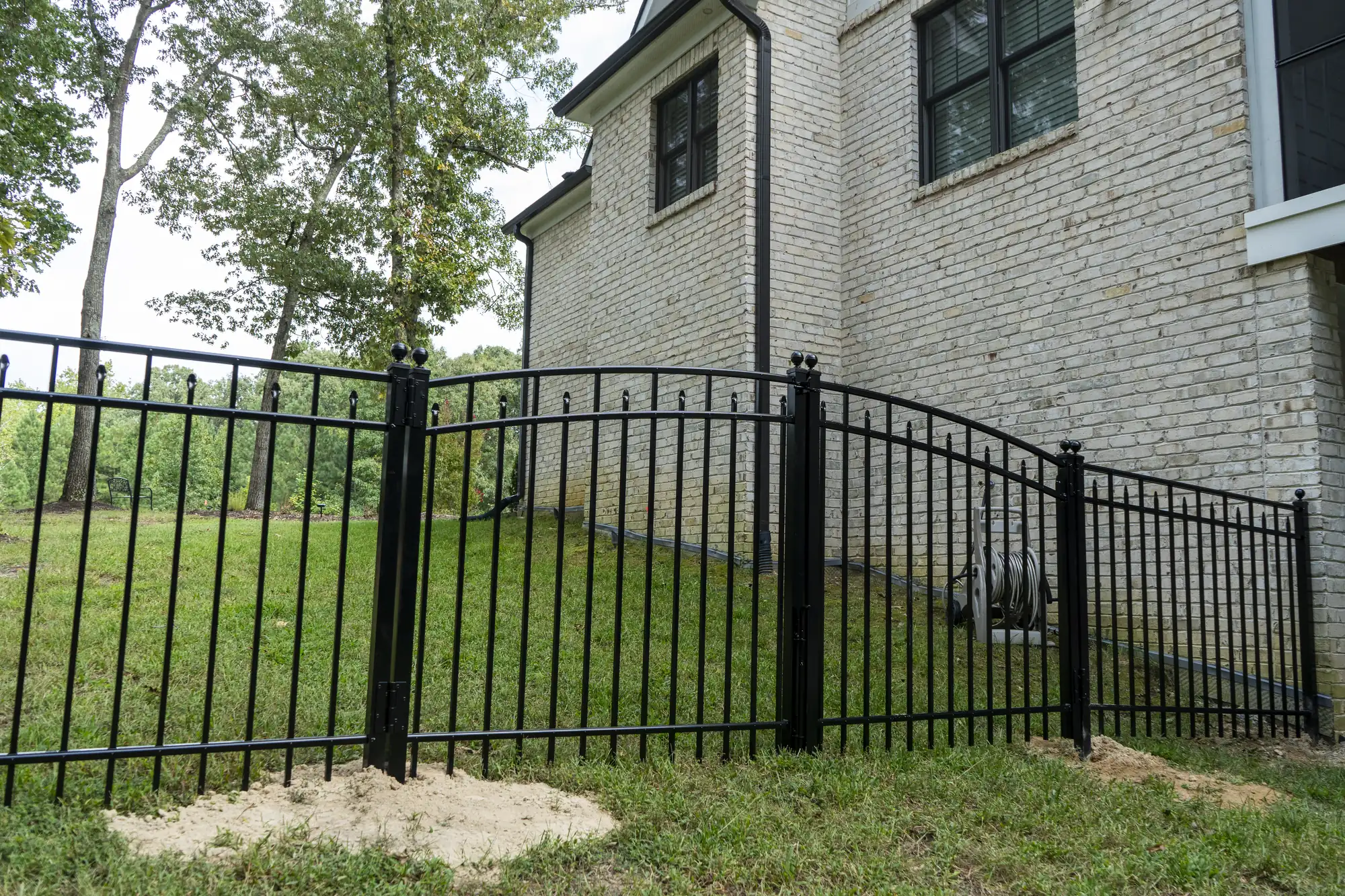
So if you are comparing quotes for an aluminum fence with a gate, ask whether the gate posts are heavy wall gate posts. Our guide to aluminum fence installation and our rundown of aluminum fence parts cover the other details worth checking.
Do You Need a Post Insert on Every Post?
No. Line posts on a typical residential vinyl fence rely on their footing and the rails for strength, so they rarely need an aluminum fence post insert. Inserts earn their place where loads concentrate: gates, end posts, and tall privacy runs in exposed, windy spots. If wind is your concern, read our post on how much wind a vinyl fence can handle.
Get a Quote for Your Vinyl or Aluminum Fence
Good Neighbor Fence has been family owned since 2006 and has earned 400+ five-star Google reviews. We design and build vinyl fences and aluminum fences across Central Virginia, and we plan any gate as part of your fence from the start. When we quote your project, ask us how the gate posts will be built.
For examples, see the braced gates on our Chesterfield vinyl privacy fence and the arched gates on our Siskin aluminum fence in Chester. We don’t do repairs, but if the gate posts on an older fence keep sagging, we’ll walk the line and quote a replacement. Call (804) 737-4664 or request your fast, free quote online.