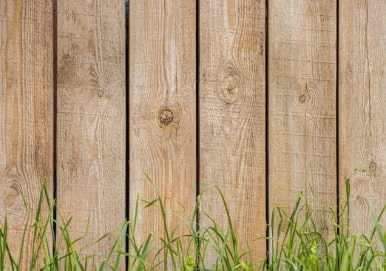



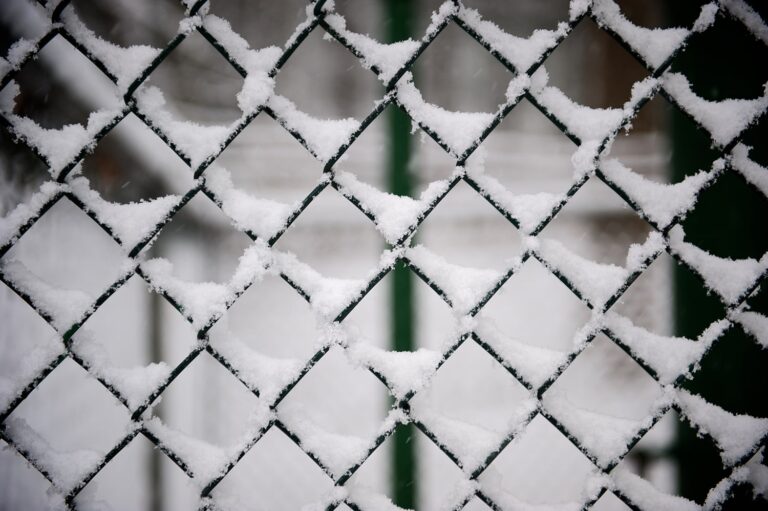
Good winter fence care comes down to three jobs. Fix weak spots in the fall, seal wood while it’s still warm, then keep snow, ice and salt off the fence once winter hits.
Richmond winters are fairly mild, but freeze and thaw cycles, ice and the occasional snowstorm still take a toll. Here is a simple plan that works for wood, vinyl, aluminum and chain link.

Why Winter Fence Care Matters in Richmond
Cold on its own rarely hurts a fence. Instead, the damage comes from water that changes form. Rain soaks into wood and soil, then freezes and expands overnight. When that happens again and again, boards crack and posts can lift out of the ground.
Frost depth gives you a sense of how deep that freezing can reach. Henrico County’s deck construction guide sets 18 inches as the minimum footing depth for frost protection. So a fence post set well below that depth is far less likely to heave.
Ice adds weight, too. The National Weather Service usually issues an Ice Storm Warning for about 1/4 inch of ice or more. It notes that this much ice will likely lead to snapped power lines and falling tree branches, and those same branches can flatten a fence section.
Fall Checklist to Winterize Your Fence
Fall is the best time to winterize your fence, because the weather is still warm and dry enough for repairs and sealing. Walk the whole fence line and check each of these:
- Posts. Push on each post. If one rocks or leans, fix it now, before frozen ground makes the job harder.
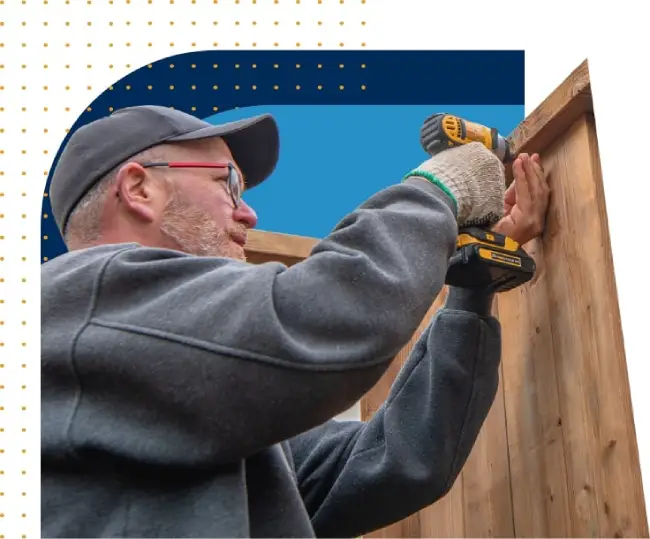
- Boards and pickets. Replace cracked or loose boards, and reset any nails or screws that have backed out.
- Rails. On vinyl and aluminum fences, make sure every rail sits fully in its post or bracket.
- Gates. Tighten hinge screws, oil the hinges and latch, and make sure the gate closes without dragging.
- The soil line. Pull back mulch, leaves and soil piled against wood posts and boards, since trapped moisture leads to rot.
- Trees. Trim dead or overhanging limbs that could fall on the fence in an ice storm.
For a full walkthrough, see our guide to fence maintenance. If you find soft wood at the base of a post, our tips on fence post rot protection can help. And if several posts are soft or leaning, our wood fence repair cost guide explains when a new fence makes more sense than patching the old one.
Seal Wood Before the Cold Sets In
Wood needs the most prep when you winterize your fence. First, wash off dirt, mildew and green growth with a mild cleaner and a soft brush, or use a pressure washer on a low setting. Then let the wood dry for a few days.
Next, apply a water-repellent sealer or stain. Timing matters here, because most finishes need warm weather to cure. For example, a PPG exterior oil stain data sheet says to apply it only when air, surface and product temperatures are above 50°F. It also warns against staining late in the day, when dew is likely.
So plan stain work for a warm, dry stretch in early or mid fall, before the nights turn cold. Our guide to sealing a wood fence covers the steps, and you can compare wood fence stain colors before you buy.
Fence Winter Maintenance by Material
Each material handles cold in its own way, so your fence winter maintenance list changes a little with the fence you have.
Vinyl Fences
Vinyl doesn’t need sealing, but it gets stiffer in hard cold. So avoid hitting it with shovels, snow blowers or chunks of ice. Rinse off grime in the fall, too, so stains don’t set over the winter. Our vinyl fence maintenance tips cover the rest.
Aluminum and Chain Link Fences
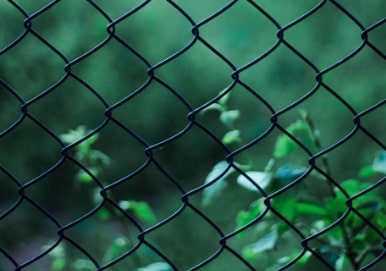
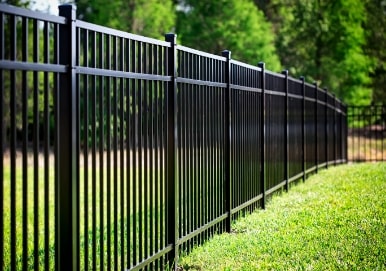
Metal fences shrug off most winter weather. Still, check for scratches in the coating and touch them up before winter. Keep rock salt away from posts and hardware, because salt speeds up corrosion on steel parts like chain link fittings, hinges and fasteners.
How Should You Handle Snow and Ice on a Fence?
Once winter arrives, winter fence care is mostly about a few simple habits:
- Brush off heavy snow. Solid privacy fences and gates catch drifts, and wet snow adds real load to the posts.
- Don’t pile snow against the fence. A shoveled or plowed snowbank holds moisture against the boards and pushes on the panels.
- Let ice melt on its own. Chipping ice off wood or vinyl can crack the surface.
- Keep salt off the fence line. Use sand or a pet-safe ice melt near posts and gates instead.
- Thaw frozen latches gently. If a latch freezes, warm it with a hair dryer or a lock de-icer instead of forcing it.
What Should You Do After a Winter Storm?
After a storm, winter fence care means a quick walk of the whole line. Check after any ice storm, snowstorm or strong wind. Look for leaning posts, cracked rails, bent chain link and sections hit by branches. Take photos before you clean up, in case you file a homeowner’s insurance claim.
Small fixes, such as a loose board, can often wait for a dry day. But a leaning post or a broken section near a pool, dog run or busy road needs attention right away. If the damage runs along a long stretch, or the posts were already failing, a replacement usually makes more sense than another round of fixes.
Wind is its own issue. If your yard gets strong gusts, read how much wind a vinyl fence can withstand. Then, when spring comes, switch to our summer fence maintenance tips for the hot months.

Winter Fence Care Starts at Installation
The easiest fence to winterize is one built for it. Posts set deep in concrete, lumber rated for ground contact and quality hardware all hold up better to freeze and thaw.
Our wood fence installation and fence design and installation pages show the materials we offer. For a finished example, see this wood fence for a Powhatan home.
Get a Quote for Your Richmond Fence
Planning a new fence, or replacing one that won’t make it through another winter? Good Neighbor Fence doesn’t do repairs, but if your fence is past saving, we’ll walk the line and quote a replacement. We’re family owned, have served Central Virginia since 2006 and have earned 400+ five-star Google reviews. Request a fast, free quote or call us at (804) 737-4664. We serve Richmond and the rest of Central Virginia.