


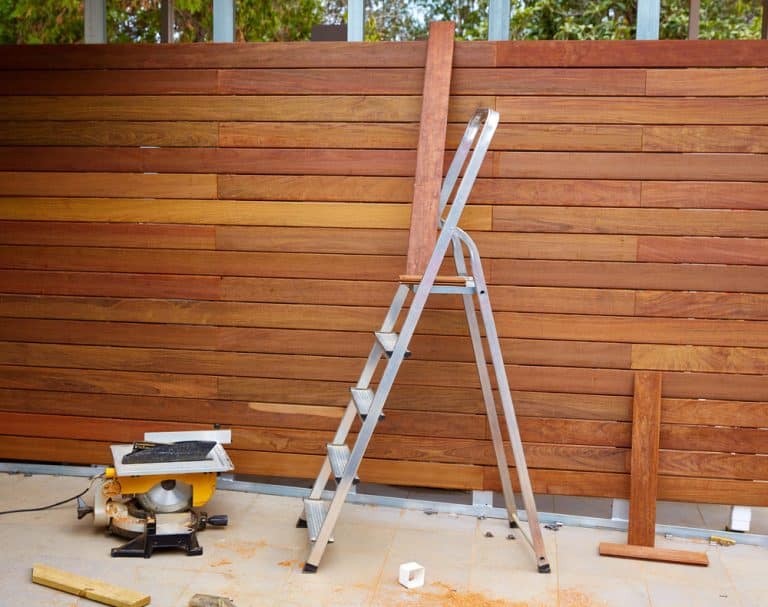
Wood fence repair cost comes down to two things: what broke and how much of it broke. A few loose or cracked pickets make a small job. But rotted or leaning posts cost more, because the crew has to dig out each one and set a new post in the ground.
So before you pay for a repair, it helps to know what you’re looking at. This guide walks through the common wood fence repairs, what drives the price of each, and when a new fence is the smarter spend.

What Affects Wood Fence Repair Cost?
Every wood fence repair cost estimate starts with the same handful of factors. Here is what a contractor checks before pricing the job.
- The part that failed. Pickets are the cheapest parts to replace. Rails cost more, since the pickets often have to come off first. Posts cost the most, because the old post and its concrete footing have to come out of the ground.
- How much fence is damaged. One broken section is a quick fix. Storm damage along a whole run means more lumber, more labor and more haul-away. Many contractors also set a minimum charge per visit, so small repairs cost more per board than big ones.
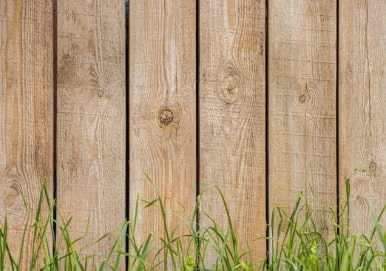
- Wood type and matching. Pressure-treated pine is common and easy to find, while cedar and specialty boards cost more. New boards also won’t match weathered ones at first, so some homeowners stain the whole fence after a repair.
- Height and style. Taller fences use longer boards and heavier posts. Board-on-board and shadowbox styles use more pickets per foot, and custom tops or lattice take longer to match.
- Access and site conditions. A fence behind thick shrubs, on a steep slope or along a tight property line takes longer to work on. Roots, rock and buried lines can also slow down post work.
Because of these factors, the same repair can cost more in one yard than in the next one down the street.
How Fence Repair Cost Changes by Repair Type
Here is how the cost to repair a wood fence changes from the smallest job to the largest. Your final price still depends on the factors above.
Loose or Broken Pickets
This is the smallest repair. The crew pulls the damaged pickets and fastens new ones with exterior-grade screws or nails. The right fasteners matter, because the wrong ones rust and streak the wood. Our guide to screws for a wood fence covers what to use.
Sagging or Broken Rails
Rails carry the pickets between posts. When one cracks or pulls loose, the whole section sags. A rail repair takes more time than a picket repair, since the crew often has to take the section apart and rebuild it.
Leaning or Rotted Posts: The Biggest Fence Repair Cost
Posts are often the first part to fail on an older wood fence, and they add the most to a repair bill. The USDA Forest Products Laboratory Wood Handbook explains that serious decay only happens when wood stays wet, above its fiber saturation point (about 30% moisture). That is why posts often rot at the soil line, where the wood stays damp longest.
To replace a post, the crew digs out the old post and footing, sets a new post and reattaches the rails. Before any digging, Virginia 811 says homeowners need to contact it at least three working days ahead, even to pull old fence posts. The utility marking service is free.
If one or two posts lean, a repair usually makes sense. But when many posts are soft at once, the fence is likely near the end of its life. Our guide to fence post rot protection explains how to slow rot down on a new fence.
Sagging Gates
A sagging gate usually needs tighter hinge screws, heavier hinges or a new diagonal brace. If the gate post leans, though, the fix is the same as for any other post. Our post on gate hardware and security explains what keeps a gate square.
Storm and Tree Damage
A falling limb can snap boards, rails and posts in one hit. Storm damage often spans several sections, so it’s priced more like a partial rebuild. Take photos before cleanup, then check with your insurance company, since some policies cover fence damage.
Should You Repair or Replace a Wood Fence?
Repair makes sense when the damage is limited and the rest of the fence is sound. For a quick check, push a screwdriver into the base of a few posts. If it sinks in easily, the wood is soft. For other red flags, see the top signs you need to replace your wood fence.
Repair is usually the right call when:
- Only a few pickets, one rail or a single post is damaged.
- The other posts feel solid when you push on them.
- The boards are still firm, with no soft or crumbly spots.
Replacement is usually the better spend when:
- Several posts lean or feel soft at the ground.
- Rot, warping or insect damage runs along long stretches.
- You keep repairing the same sections every year.
- You want a taller, different or more private fence anyway.
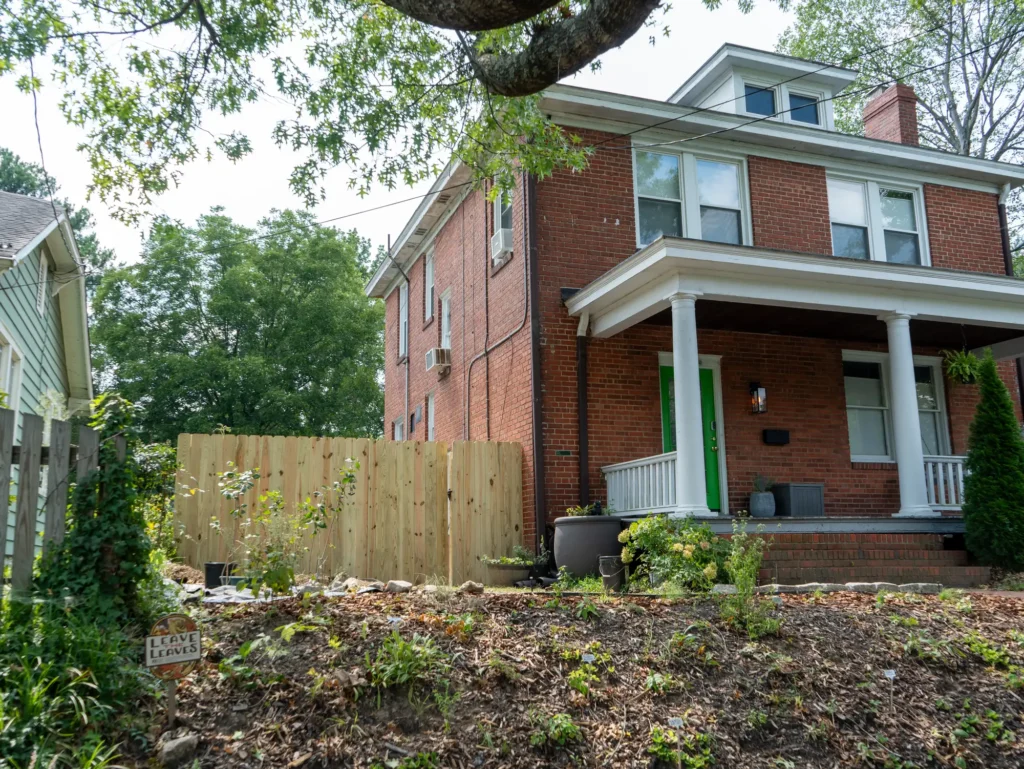
If a new fence makes more sense, our guide to wood fence pricing explains how installation is priced. You can also browse our wood fence installation styles or see this wood fence for a Powhatan home.
Then, if the upfront price is the hurdle, fence financing can spread the cost over time.
When DIY Lowers the Cost to Repair a Wood Fence
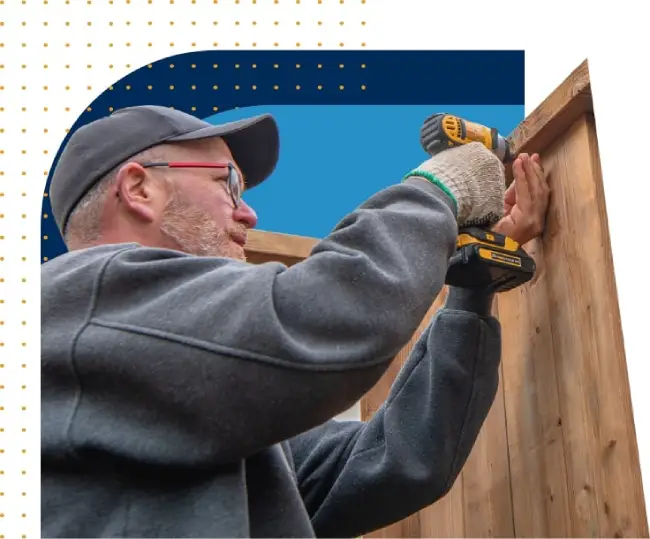
Swapping a picket or two yourself cuts your wood fence repair cost down to materials, as long as you have a drill, the right screws and a matching board. Tightening loose hinge screws on a gate is also an easy fix.
Post work is harder. It takes digging, concrete and careful alignment, and a crooked post can pull a whole section out of line. It also means contacting Virginia 811 first. If you’re not sure the post is the only problem, have a pro look before you start.
How to Keep Wood Fence Repair Costs Down
Many big repairs start as small ones. So a little upkeep each season keeps them small.
- Walk the fence each spring and fall. Look for loose boards, soft wood and leaning posts.
- Seal or stain the wood to slow moisture damage. Our tips on sealing a wood fence show how.
- Keep sprinklers, mulch and soil off the boards, because wood that stays wet can decay.
- Trim shrubs and vines so the fence dries out after rain.
- Consider a rot board along the bottom, so the pickets stay off the ground.
- Fix small problems early, before one loose rail pulls a section down.
For a full checklist, see our guide to fence maintenance.
How to Get an Accurate Repair Quote
An online price can’t see your posts, so the most accurate wood fence repair cost comes from an in-person look. Before you call, count the damaged sections and take a few photos. If the fence sits near the property line, find your survey too. Our guide to Virginia property line fence rules explains why that matters.
Also, if you plan to replace a section with a taller or different style, check your county zoning rules and HOA first. Then ask for a quote that splits materials and labor. That makes it easier to compare contractors, and it shows you where the money goes. If the quote covers several posts or long runs of fence, get a price on a new fence too, so you can compare the two.
Past Repairing? Get a Quote for a New Wood Fence
Good Neighbor Fence doesn’t do repairs, but if your fence is past saving, we’ll walk the line and quote a replacement. We’re family owned and have built fences across Central Virginia since 2006. Our customers have left more than 400 five-star Google reviews. Request a fast, free quote for a new fence, or call us at (804) 737-4664.