


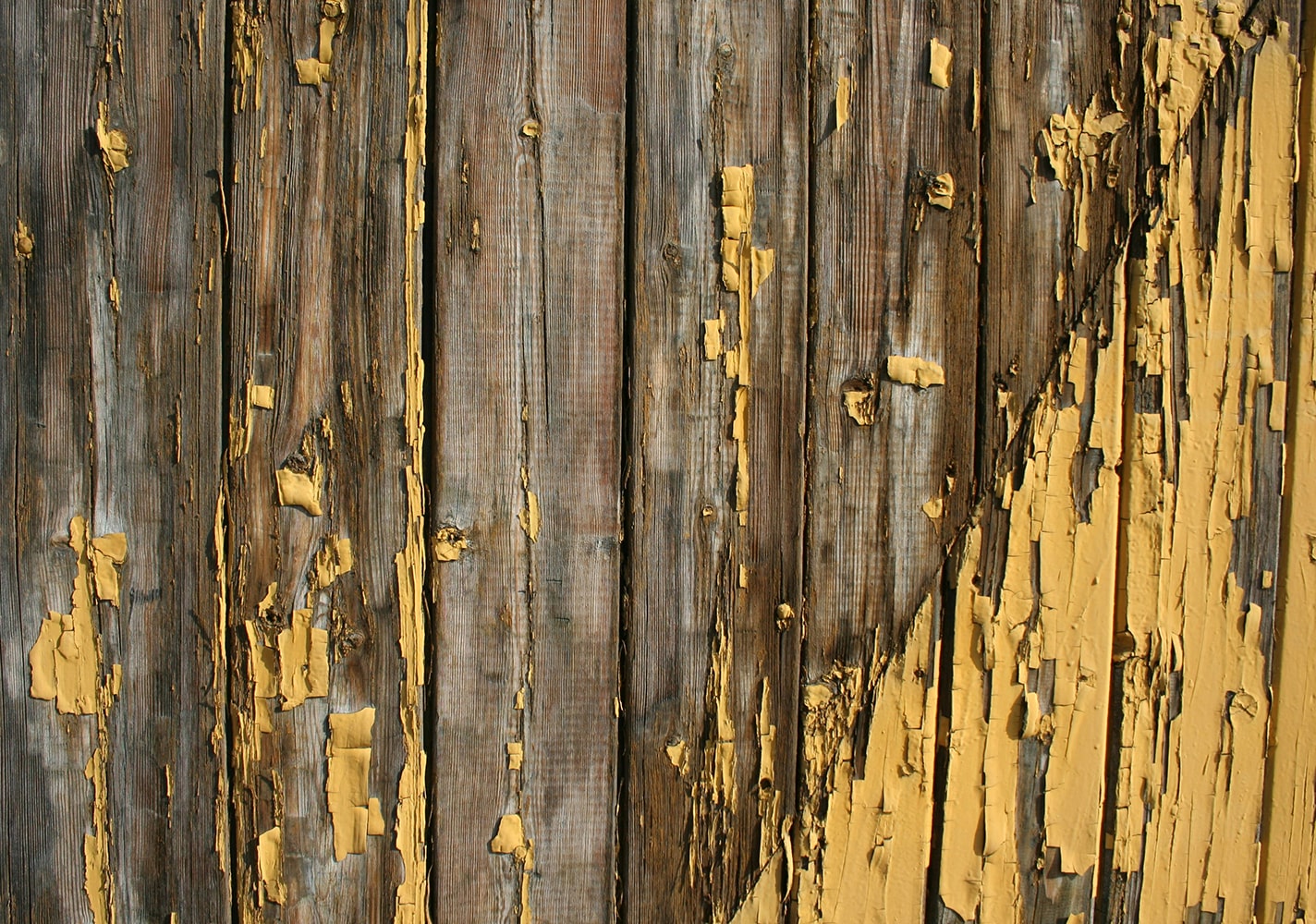
Wood checking is the thin cracking that runs along the grain of fence boards and posts. It happens as the wood dries and shrinks, and most checks are cosmetic. But deep checks that hold water, run through a post or open up near a fastener need attention.
This guide covers three things. First, what causes checking in wood fences. Then, how to slow it down with the right lumber and finish. Finally, how to repair it, and when a cracked board or post should come out instead.
What Is Wood Checking?
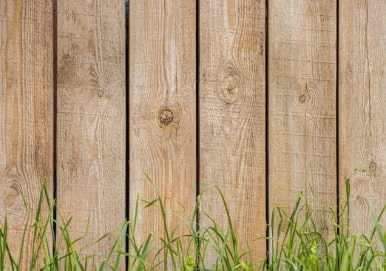
A check is a crack along the grain that opens when the outside of a board dries faster than the inside. The USDA Forest Products Laboratory explains this in its Wood Handbook chapter on drying. The outer shell starts to shrink first, while the wetter core holds it back. When that tension gets strong enough, the shell cracks.
End checks form the same way on the cut ends of boards and posts. Moisture moves fastest along the length of the wood, so the ends dry quickly and crack first. That is why you often see checks on post tops and at the ends of rails.
Wood Checking vs Splits
A check usually stays near the surface and follows the grain partway into the wood. A split goes all the way through the board or post. Checks are mostly a looks issue. A split, on the other hand, can weaken the piece and let it pull away from its fasteners.
Why Does Wood Checking Happen in Fences?
A fence gets the hardest version of this cycle. It sits outside all year, with sun on one face and rain on the other. The Forest Products Laboratory chapter on finishing wood notes that uneven moisture within boards causes checks, cracks, warping and cupping.
These are the most common triggers we see on fences around Richmond:
- Hot sun. South and west faces dry fastest, so their surfaces shrink ahead of the core.
- Wet and dry cycles. Rain, sprinklers and humid summers soak the wood, and then sun and wind dry it out again.
- Grain and density. The Forest Products Laboratory notes that vertical grain boards and lower density woods typically check less.
- Wet lumber. Boards that go up wet keep drying and shrinking on the fence.
- Exposed end grain. Post tops, picket tops and cut ends soak up water the fastest.
- No room to move. Boards packed too tight can crack as they swell and shrink.
New fences often show their first checks as fresh lumber dries in place. So if you spot small cracks on a fence that went up last spring, that is normal wood checking, not a defect in the build.
Is Wood Checking a Structural Problem?
Usually not. Surface checks on pickets and posts are a normal part of how wood weathers. Most never go deeper than the outer layer. So a fence with a few checks is not a failing fence.
Still, keep an eye out for these warning signs:
- The crack runs through the full thickness of a board or post.
- The wood around the crack feels soft or crumbles when you press on it.
- A check on a post sits near the ground or where a rail or hinge attaches.
- Fasteners have pulled loose, or a board has started to twist off the rail.
- The crack holds water or dirt after a rain.
Water that sits in a deep check can lead to decay over time. That is why the rest of this guide focuses on keeping water out and fixing the cracks that trap it.
How to Prevent Checking in Wood Fences
You can’t stop wood from moving, but you can slow the wet and dry swings that crack it. These steps make the biggest difference.
Start With Stable Lumber
Kiln-dried lumber has been dried to a controlled moisture level, so it tends to move less after it goes up. Vertical grain boards and lower density woods such as cedar also check less, according to the Forest Products Laboratory. Many wood fences in our area use pressure-treated pine, and it still needs a good finish to hold up.
Does Pressure-Treated Wood Check?
Yes. Treatment protects wood from rot and insects, but it does not stop the wood from shrinking as it dries. The Forest Products Laboratory notes that treated wood decks are most often replaced because of checking and splitting, not decay. A fence faces the same sun and rain, so treated lumber still needs a water repellent finish to limit wood checking.
Let the Wood Acclimate
When lumber arrives, store it flat in a shaded, dry spot with air moving around it. A few days of rest lets the moisture level settle before you build. If you skip that step, boards are more likely to check, warp or twist once they are on the fence.
Protect the End Grain
End grain is where most checking starts. The Forest Products Laboratory reports that liquid water enters wood 10 to 100 times faster through the end grain than the other faces. So seal every cut end, and cap your posts.
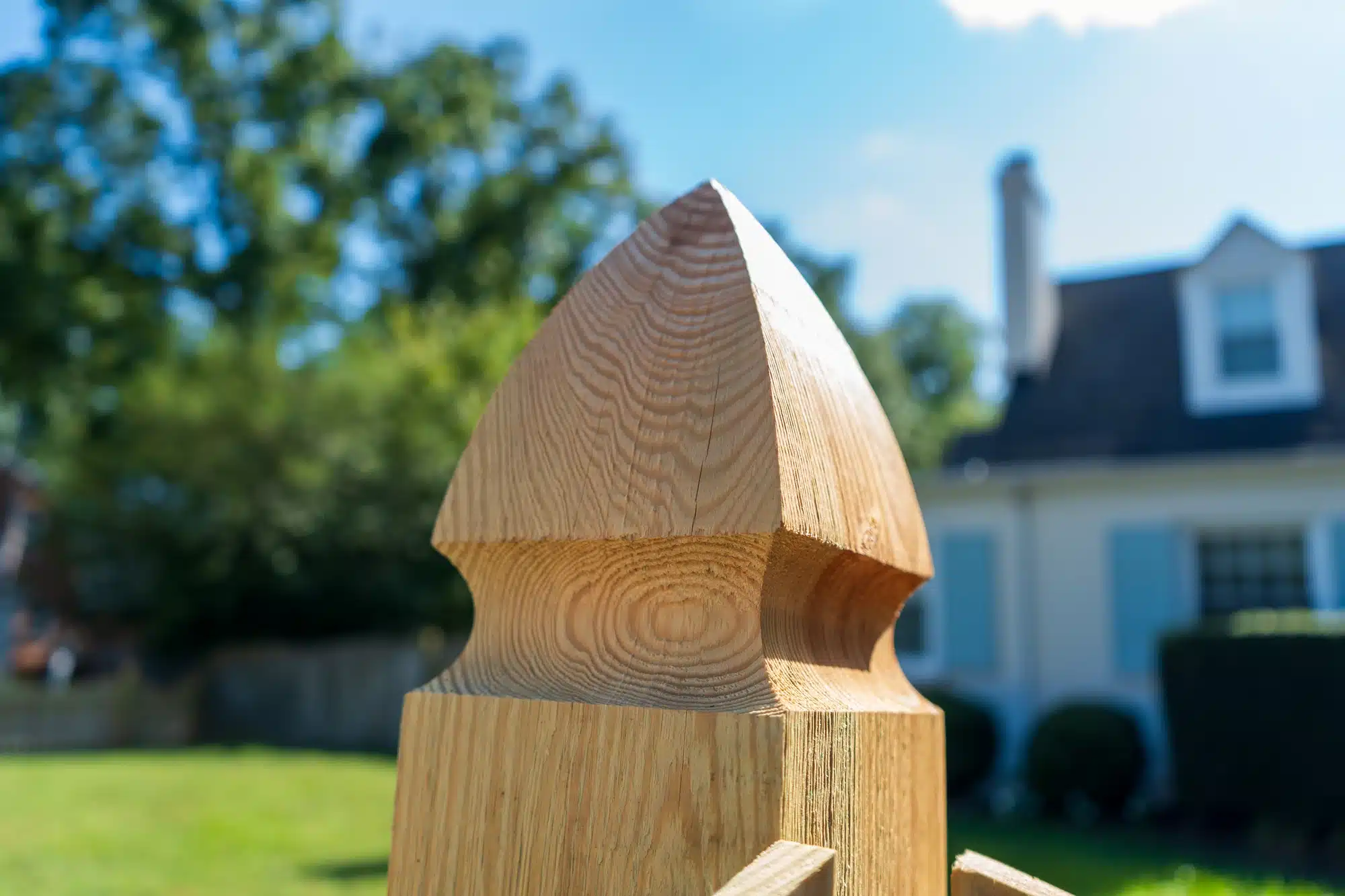
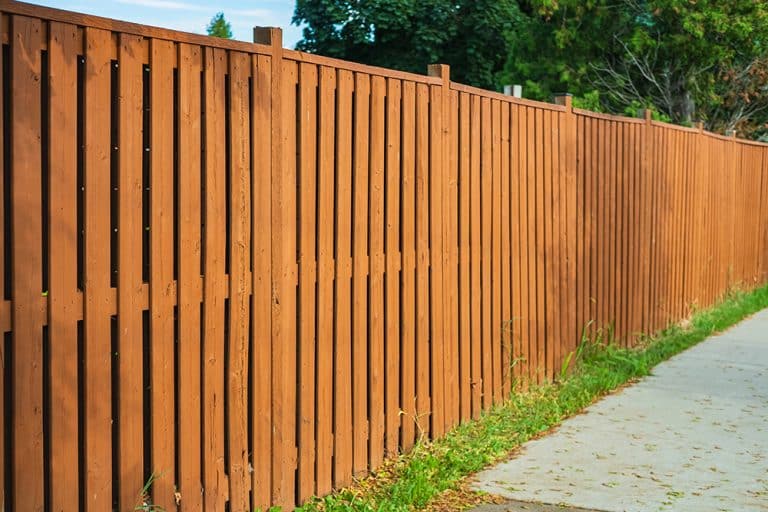
A top cap or trim board along the fence line also shields the tops of the pickets from sun and rain. For example, a cap and trim design covers the end grain that would otherwise face the sky.
Apply a Water Repellent Finish, Then Keep It Up
A water repellent finish slows how fast moisture moves in and out of the wood. The Forest Products Laboratory says water repellent preservatives decrease checking and help control mildew. It also notes that this finish often lasts only 1 to 2 years. The good news is that it is easy to reapply on a fence.
Even if your lumber was treated at the mill, it still needs a finish. Our guide on sealing your wood fence walks through prep and application.
Keep Water Off the Fence
Aim sprinklers away from the boards, and keep mulch and soil off the bottom of the fence. Wood that stays damp at the base swells and shrinks the most. A rot board along the bottom keeps the pickets up off the ground.
Use the Right Fasteners and Spacing
Use galvanized or stainless steel screws or nails, because they resist rust and staining. Leave a small gap between boards so they can swell without pushing on each other. Our guide to screws for a wood fence covers sizes and coatings.
Inspect Your Fence Twice a Year
Walk the fence each spring and fall. Look for new checks, soft spots, loose boards and worn finish. Small problems are easy to fix early, and our fence maintenance checklist shows what else to look for.
How to Repair Wood Checking
Hairline checks don’t need filling. Just keep the finish up. But when a check is wide enough to hold water or dirt, a simple repair keeps it from getting worse.
- Clean the crack. Scrub out dirt and mildew with a stiff brush, then let the wood dry completely.
- Check the depth. Press a putty knife or screwdriver into the crack and the wood around it. If the wood feels soft, stop and plan to replace the piece.
- Fill it. Press exterior-grade wood filler, a two-part epoxy or a flexible exterior caulk deep into the crack. Overfill a little, since many fillers shrink as they cure.
- Let it cure and sand it. Follow the drying time on the product label, then sand the patch flush with the board.
- Seal or stain. Finish the repaired area and the rest of the board, so the whole surface sheds water the same way.
This repair works well on pickets and rails. On posts, filling a check can help with looks and water, but it won’t restore a post that is cracked through.
When Fence Board Cracks Mean Replacement
Replace the piece when the crack runs all the way through or the wood is soft. The same goes for a post that is cracked near the ground or at a hinge. A single picket is a quick swap. A cracked or rotted post takes more work, because it has to be dug out and reset.
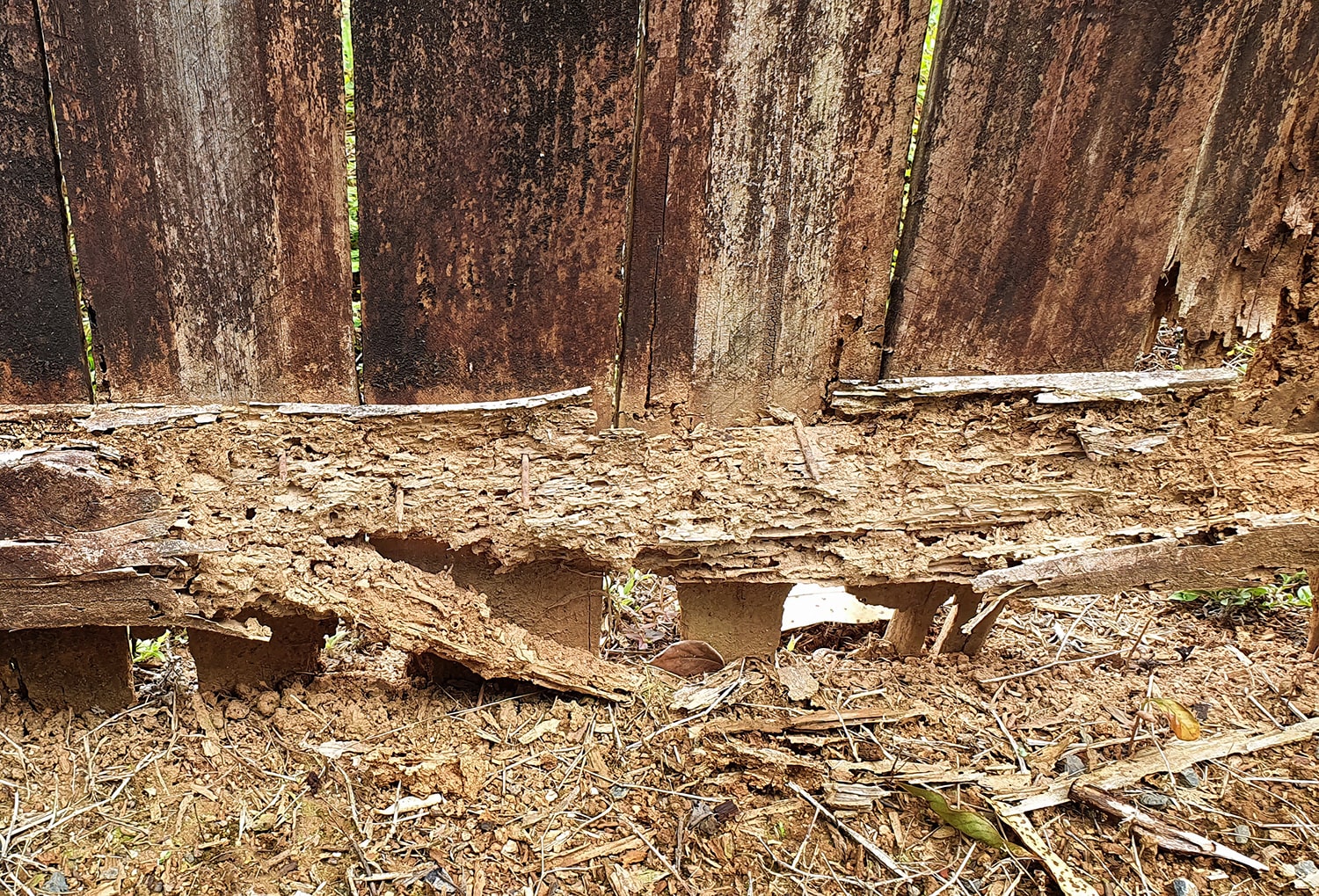
Our guide to wood fence repair cost explains how each type of repair is priced. For posts, our tips on fence post rot protection help the new post last longer.
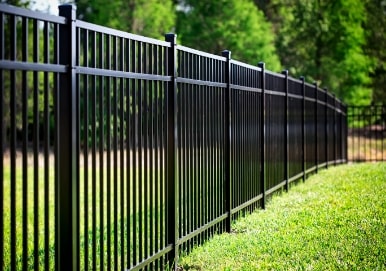
If checking and rot run along the whole fence, replacement is usually the better spend. You can rebuild with a new wood fence installation. Or you can switch to vinyl fencing or aluminum fencing, which won’t check or rot.
Wood Checking Along the Whole Fence? Get a Replacement Quote
Good Neighbor Fence doesn’t do repairs, but if checking and rot have left your fence past saving, we’ll walk the line and quote a replacement. We’re family owned and have built fences across Central Virginia since 2006, with more than 400 five-star Google reviews. Request a fast, free quote for a new fence, or call us at (804) 737-4664.