


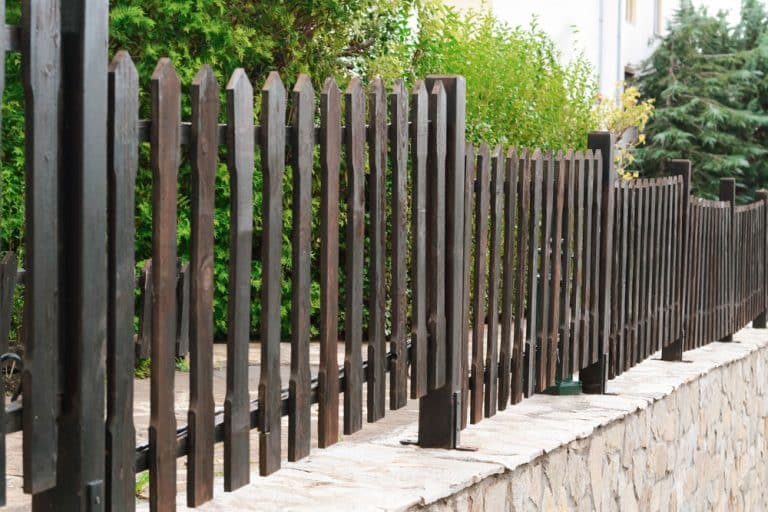
Good fence post rot protection starts before the post goes in the ground. Use lumber rated for ground contact, give water a way to drain away from the base, and treat any cut ends. Those steps do more than any sealer you brush on later.
Most wood posts fail at or just below the soil line, because that’s where the wood stays wet the longest. Here’s why that happens, plus seven ways to keep your posts solid.
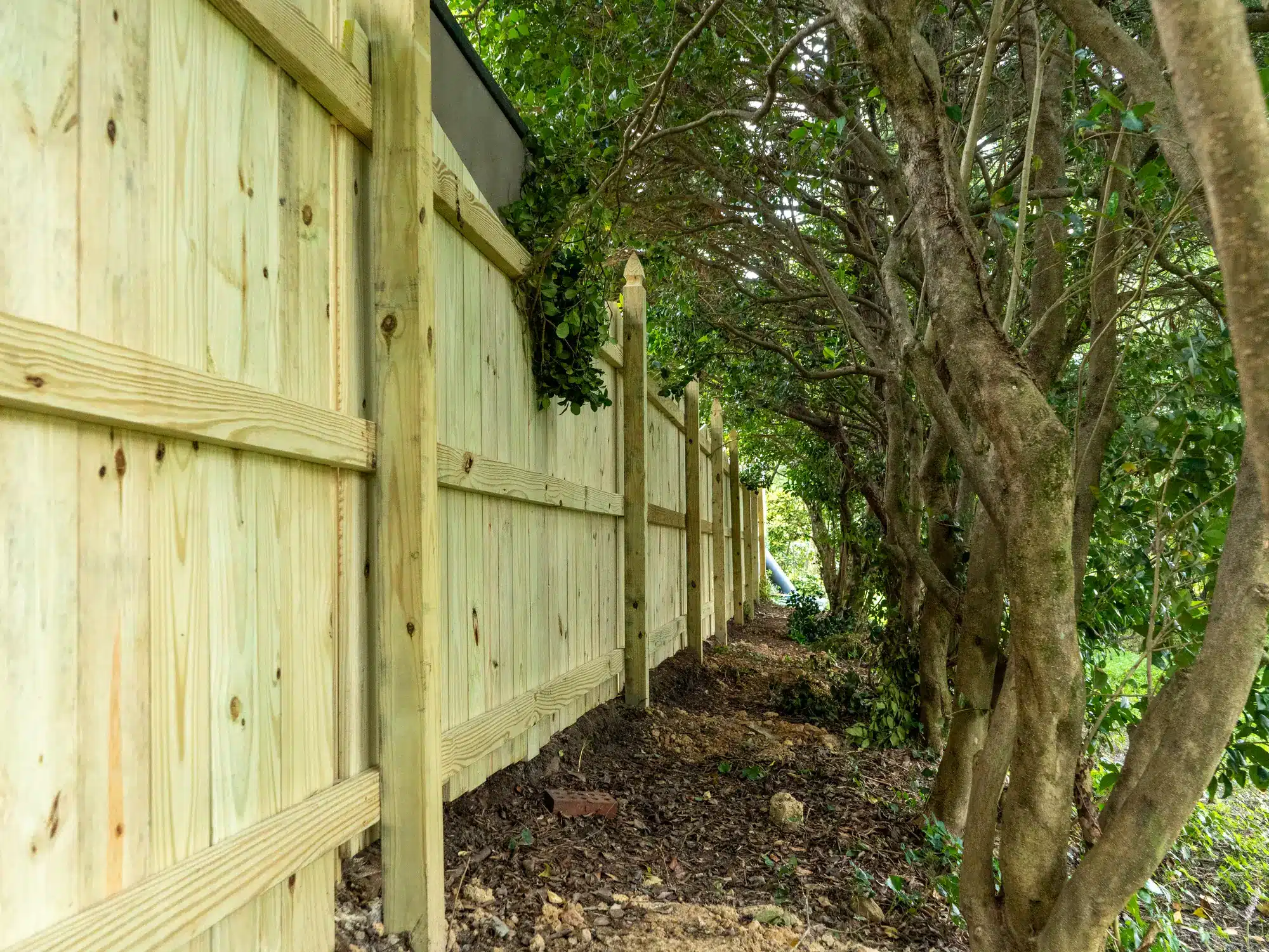
What Causes Fence Post Rot?
Decay fungi cause rot, and they need water. The USDA Forest Products Laboratory’s Wood Handbook says serious decay only happens when wood stays wetter than its fiber saturation point, about 30% moisture. It also notes that air-dried wood, at about 20% moisture or less, gives a reasonable margin of safety.
A post in the ground rarely gets that dry. Rain, sprinklers and damp soil keep the wood wet right at grade, while the part above ground dries out between storms. So rot usually starts at the soil line and works inward.
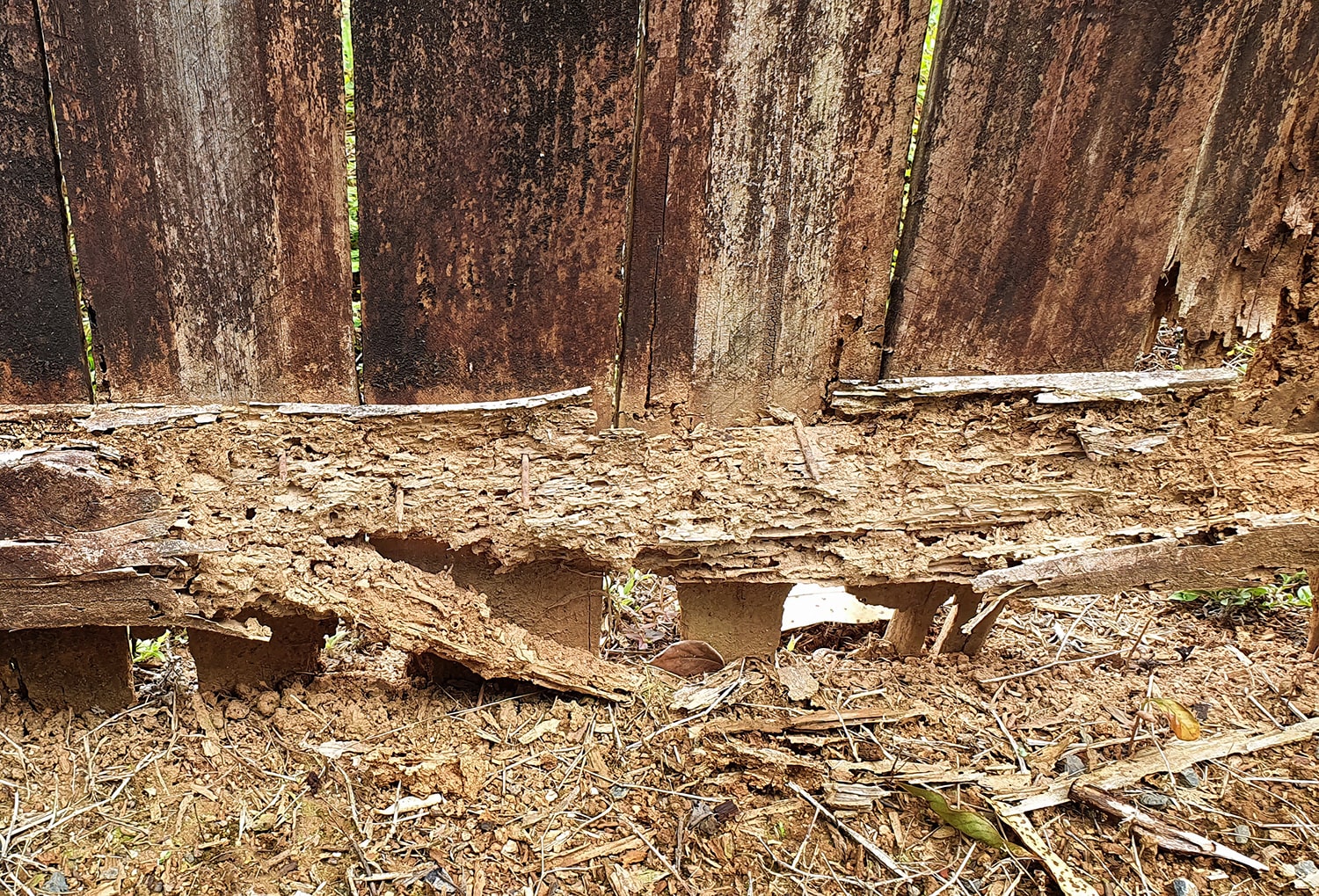
Watch for a post that wobbles, soft or crumbly wood at the base, or a screwdriver that sinks in easily when you push it into the post at ground level.
7 Ways to Prevent Fence Post Rot
None of these steps is complicated. But together, they give your fence the best fence post rot protection you can build in.
1. Use Posts Rated for Ground Contact
Not all pressure-treated lumber is the same. The American Wood Protection Association says ground contact uses need wood rated Use Category 4A (UC4A) or higher. Lumber rated only for above-ground use isn’t meant to be buried.
You’ll find the rating on the end tag or stamp. So check it before the post goes in, and ask your contractor what rating they use. Since the buried section is where fence post rot starts, this is the one step you can’t fix later.
2. Treat Every Cut End
Cutting or drilling a treated post can expose wood the treatment didn’t fully reach. Viance, a wood preservative maker, recommends brushing a wood preservative onto all field-cut ends and drilled holes on exterior projects. Copper naphthenate products are sold at home centers, lumber dealers and hardware stores.
3. Put Gravel Under the Post
Drainage is the part of fence post rot protection most people skip, because you can’t see it once the post is set. Standing water at the bottom of the hole keeps the end grain soaked. Quikrete’s post-setting instructions call for 6 inches of gravel or crushed stone in the bottom of the hole. They also list a gravel base as a common way to protect posts against rot from moisture.
4. Slope the Concrete Away From the Post
The same instructions say to finish the concrete so it slopes away from the post. That sheds rain instead of letting it pool against the wood.
A flat or dished collar does the opposite, since it holds water right at the soil line. If your existing footings hold puddles, that’s worth fixing before the wood softens.
5. Keep Soil, Mulch and Sprinklers Back
Mulch and soil piled against a post hold moisture, and sprinklers keep it wet. So pull mulch back a few inches, keep beds from creeping up the posts, and aim sprinkler heads away from the fence. It’s a free way to prevent fence post rot, and it only takes a few minutes each season.
6. Keep Water Off the Rest of the Fence
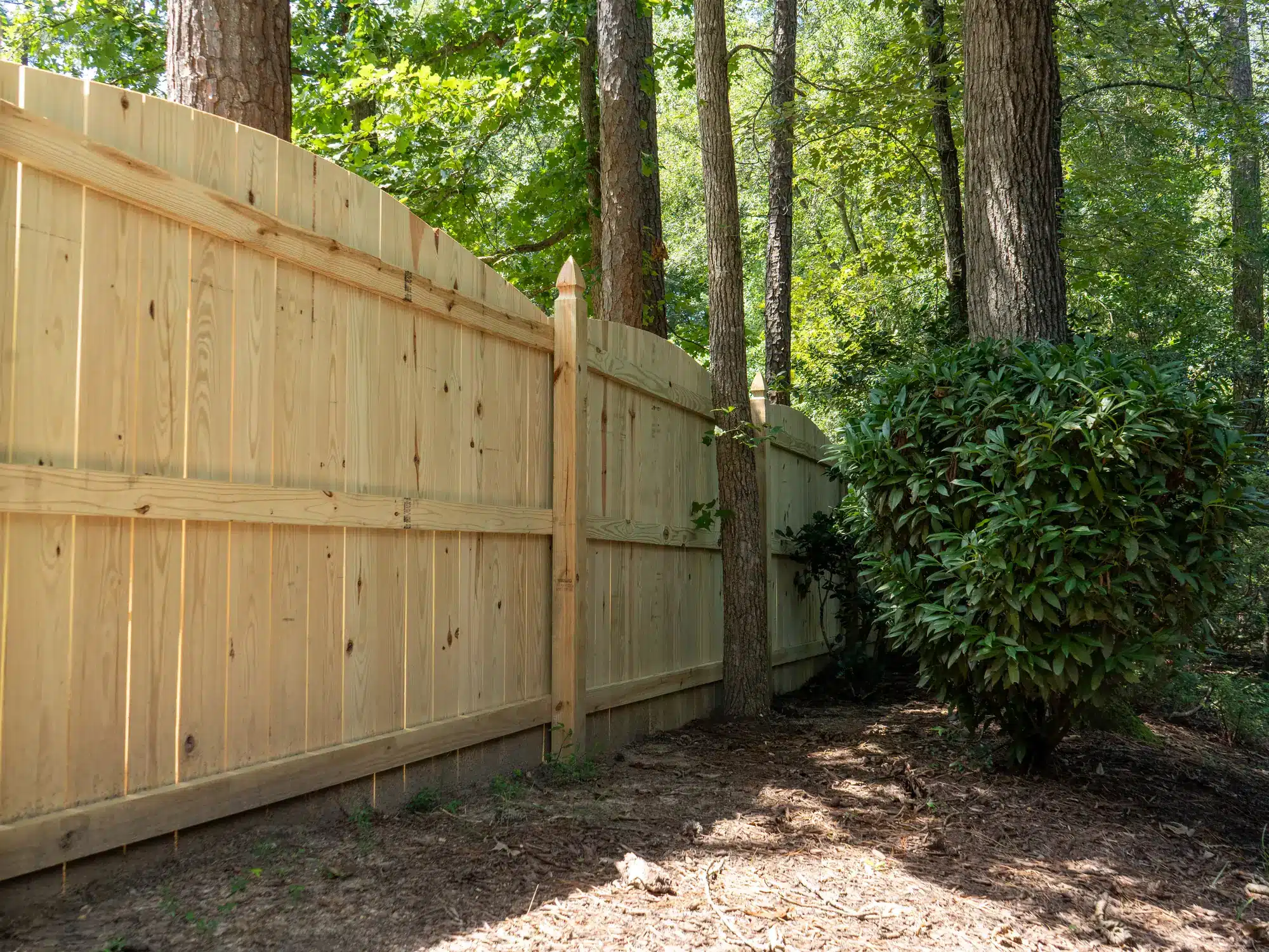
Post caps shed rain off the end grain on top of each post. A rot board along the bottom keeps pickets off the ground, and a sealer or stain slows moisture in the wood above grade. Our tips on sealing a wood fence show how.
But sealer won’t protect the part of the post that’s buried. So it’s no substitute for ground-contact lumber.
7. Inspect Twice a Year
Walk the fence each spring and fall. Push on each post, look for soft wood at the base, and fix small problems early. Our guide to fence maintenance has a full checklist.
Does Concrete Cause Fence Posts to Rot?
Concrete itself doesn’t cause rot, but a poorly finished footing can trap water against the wood. That’s why the gravel base and sloped top matter. With both in place, water drains down and away instead of sitting at the soil line.
Some builders set posts in gravel or tamped soil instead, which can drain better in some soils. But it can also let a post lean more easily. The right choice depends on your soil, fence height and wind exposure.
Are Steel or Vinyl Posts Better for Fence Post Rot Protection?
If you want to take rot off the table, switch materials. Steel posts don’t rot, and some wood fences hide steel posts behind the boards. Our comparison of hidden steel and pressure-treated wood posts covers the tradeoffs. Also, our guide to building a wood fence on metal posts shows how the boards attach.
Vinyl and aluminum fences avoid wood rot altogether. See our vinyl fence installation and aluminum fence installation pages for options.
When a Rotted Post Needs Replacing
Once a post is soft at the ground, sealing it won’t bring it back. The fix is to dig out the old post and footing and set a new one. Then use the same steps above on the replacement: ground-contact lumber, gravel, a sloped footing and treated cut ends. That way the new post doesn’t fail the same way. Before you dig, Virginia 811 says to contact it at least three working days ahead, even to remove old fence posts.
If several posts are soft at once, or rot has spread into the rails and pickets, the fence is likely near the end of its life. At that point, swapping posts one at a time rarely pays off, and a new fence usually makes more sense. Our guide to wood fence repair costs walks through that decision.
Posts Failing? Get a Quote for a Replacement Wood Fence
Good Neighbor Fence doesn’t do repairs. But if your posts are past saving, we’ll walk the line and quote a replacement. We’ve been building fences for Richmond-area homeowners since 2006, and every wood fence we build is stick-built on-site to fit your yard.
See our wood fence installation styles or this wood fence for a Powhatan home. Then request a fast, free quote, and we’ll talk through post options and give you a clear price anywhere in Central Virginia. You can also call us at (804) 737-4664.