

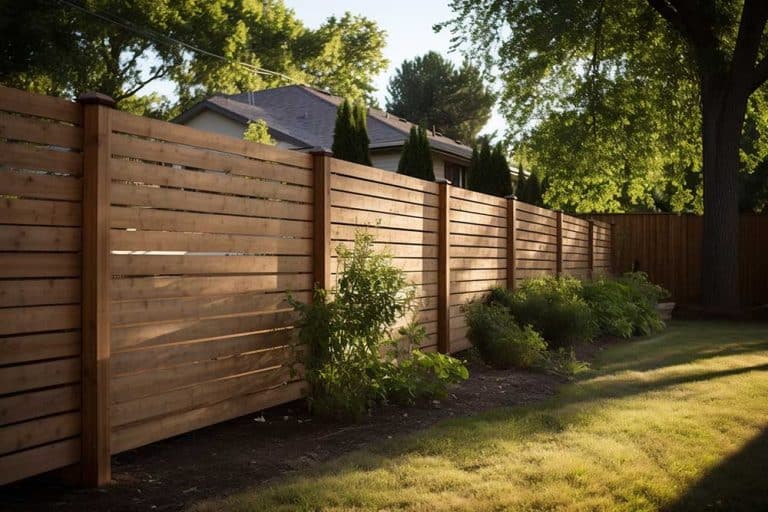
Steel vs wood fence posts comes down to lifespan versus simplicity. Hidden galvanized steel posts won’t rot or warp. Pressure-treated wood posts usually cost less up front, cut and fasten easily, and match the rest of a wood fence.
Both can hold up a wood fence for years when a crew sets them right. Here’s how the two compare on strength, rot, looks, upkeep and installation, so you can pick the right post for your yard.
What Are Hidden Steel Fence Posts?
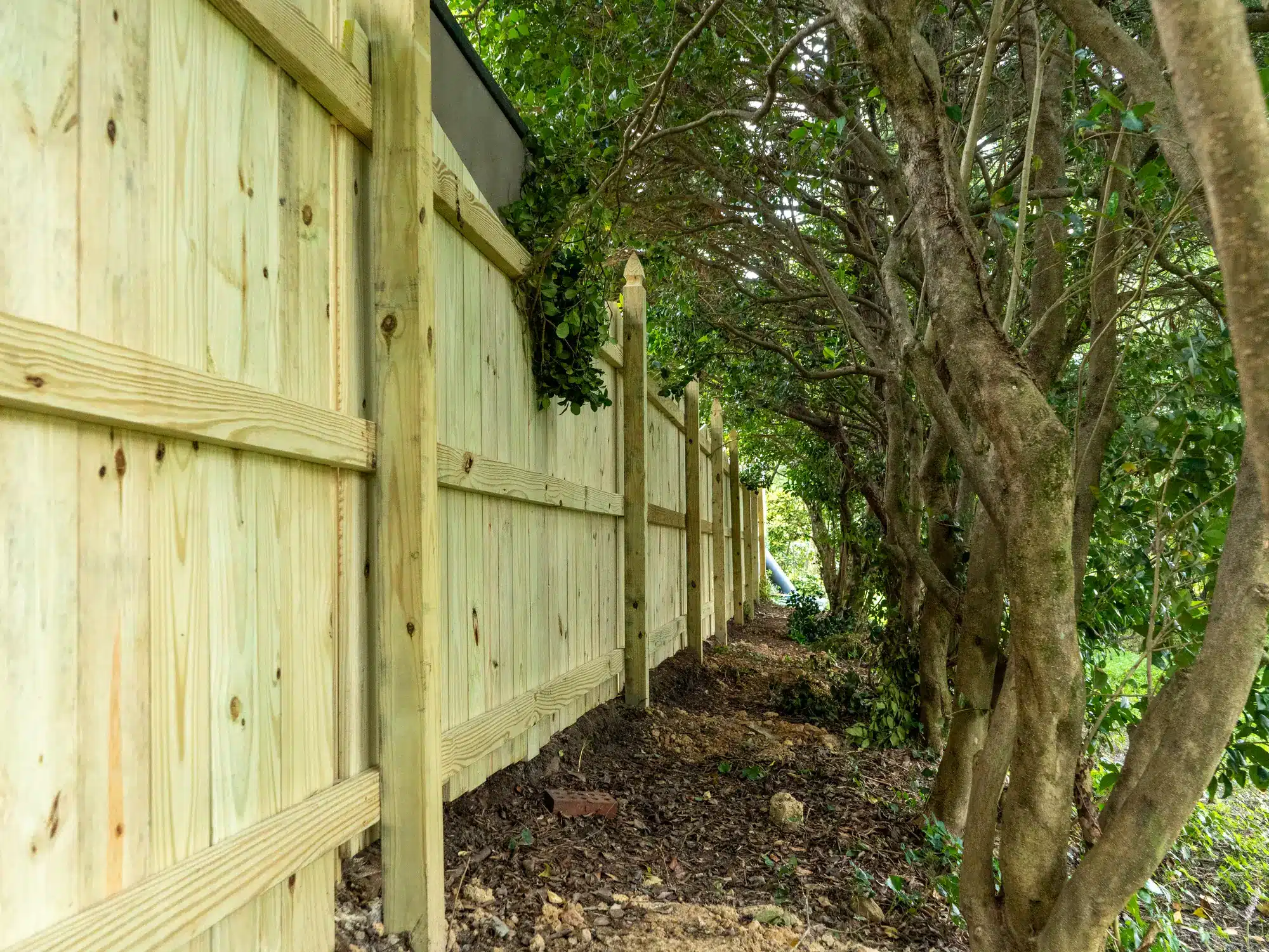
Hidden steel posts carry a wood fence on galvanized steel instead of lumber. The rails and boards attach to the steel, and the boards or a wood wrap cover the post. So from the street, the fence still looks like an all-wood fence.
One widely sold example is Master Halco’s PostMaster+ steel post. The company lists its line posts as 0.100 inch thick steel with a G90 pre-galvanized coating. It also says the posts won’t shrink, warp or rot.
If you’re curious how the boards connect, our guide to attaching a wood fence to metal posts walks through the brackets and hardware.
What Are Pressure-Treated Wood Fence Posts?
Pressure-treated posts start as pine or other softwood. Then a treatment plant forces preservative deep into the wood under pressure. That treatment matters, because the USDA Forest Products Laboratory Wood Handbook explains that decay fungi need mild temperatures, moisture and air. A post in damp soil gets all three.
Not all treated lumber carries a ground contact rating, though. The American Wood Protection Association lists Use Category UC4A as ground contact, general use and UC4B as ground contact, heavy duty. So look for a ground contact rating on the end tag of any post that goes in the soil.
For example, our Chesterfield wood fence project used pressure-treated pine for every picket, rail and post. Our post on pressure-treated wood for fences explains the treatment in more detail.
Steel vs Wood Fence Posts: How They Compare
Here’s how steel and wood fence posts stack up on the points homeowners ask about most.
Strength and Wind
A new wood post in a solid footing is strong. In fact, Master Halco lists a new wood post at 75 mph of wind resistance, close to the 73 mph it lists for its steel line post. The difference shows up over time. The company notes that a wood post’s rating declines after installation, while its steel posts won’t shrink, warp or rot.
Either way, the footing matters as much as the post. A shallow post, or one in loose soil, can lean no matter what material you choose.
Rot, Insects and Lifespan
This is where steel wins. Steel doesn’t rot, and termites don’t eat it. A treated wood post resists decay, but it still sits in damp soil. That’s why posts are often the first part of an older wood fence to fail, and the only fix for a soft post is to dig it out.
Steel has its own weak spot, though: rust. The galvanized coating protects it, so avoid deep scratches during installation. Also keep rock salt away from the base, since salt speeds up corrosion. To get more years from wood posts, see our tips on fence post rot protection.
Looks
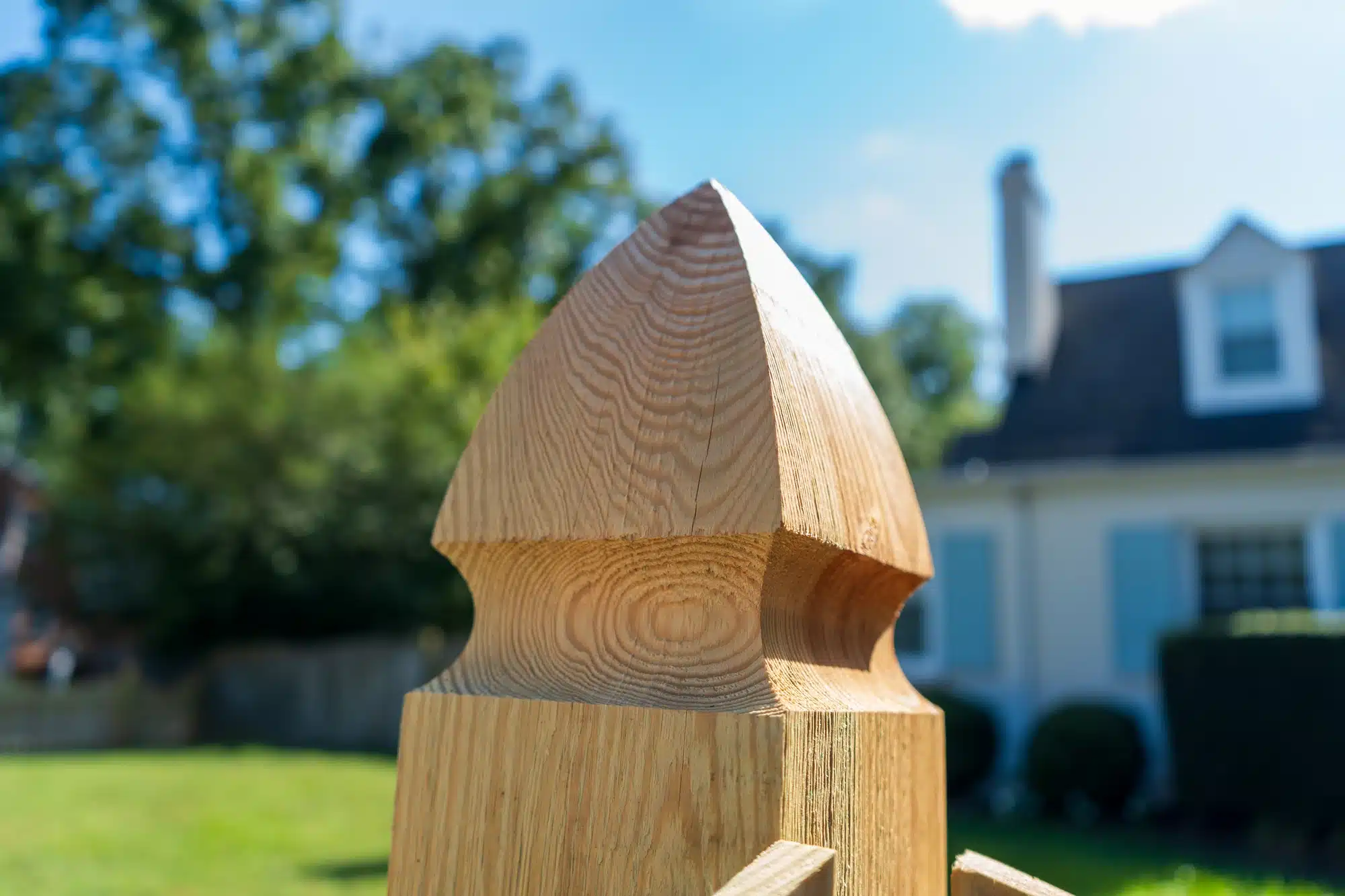
Wood posts look like part of the fence because they are part of the fence. You can add decorative post caps, such as French gothic tops, and stain the posts along with the boards.
Hidden steel posts only look like wood when boards or trim cover them. The boards usually hide the posts from one side, and a wood wrap can cover the other. That wrap adds material and labor, so ask how the post side will look before you choose.
Upkeep
Steel fence posts need little care beyond a check of the coating now and then. Wood posts need the same sealing or staining as the rest of a wood fence. Master Halco also points out that all wood species expand and contract over time, and that movement is one reason screws back out and wood posts twist.
Installation and Cost
Wood posts are easy to cut, notch and fasten, and every wood fence crew works with them. Steel posts need matching brackets and exact spacing, because adjusting a steel post on site takes more work than trimming a wood one.
Steel posts also usually cost more per post than pressure-treated wood fence posts. So the real question is whether a longer-lasting post is worth the added cost for your fence. Our guide to wood fence cost explains the other factors that shape a fence price.
Both post types go in the ground, so contact Virginia 811 at least three working days before anyone digs. The marking service is free.
Can You Mix Steel and Wood Posts?
Yes. Some fences use steel only where the load is highest, such as gate posts, since they hold up a swinging gate every day. Master Halco, for example, sells a separate powder-coated steel gate post that you can leave black or cover with wood. The rest of the fence can stay on treated wood posts.
If a gate is part of your fence plan, our post on gate hardware and security explains what keeps a gate square and latching. Then plan the gate posts with the rest of the fence, because they carry the most weight.
When to Choose Steel Fence Posts
Steel is worth a look when:
- You want the posts to outlast the boards, so you can replace pickets later without resetting posts.
- Your yard stays wet, or the posts on your last fence rotted early.
- You’d rather pay more up front for fewer post repairs down the road.
- You’re fine covering the steel with a wood wrap where it shows.
When to Choose Pressure Treated Fence Posts
Wood is usually the better fit when:
- You want the lowest upfront cost.
- You want decorative post caps and a true all-wood look on both sides.
- Your fence has lots of angles, slopes or custom heights, where wood is easier to fit.
- You may want to extend wood fence posts later for more height.
A wood fence on ground-contact treated posts serves many homeowners well. But steel posts under a wood fence make the most sense when rot has been a problem before, or when you want to set posts once and be done.
Plan Your Wood Fence With Good Neighbor Fence
Good Neighbor Fence is a family-owned company that has built fences across Central Virginia since 2006, with 400+ five-star Google reviews. When you request a fast, free quote or call (804) 737-4664, we’ll talk through posts, footings and styles for your yard. You can also browse our wood fence installation styles or learn about fence financing.