


Fence gate security comes down to one simple fact: a fence is only as strong as its gate. Break-ins, escaped dogs and wandering toddlers often get through the one part of the fence that moves. So when we plan a fence in Richmond, Chesterfield or Henrico, the gate gets as much thought as the fence line.
This guide covers the gate styles that hold up best, the hardware that matters most, and the simple habits that keep a gate working for years. Good Neighbor Fence builds gates as part of our fence installations, so these are the same questions we work through with homeowners on site.

Why the Gate Is the Weak Point in Most Fences
A fence panel just stands there. A gate swings, latches and takes a knock every day. Over time that motion loosens screws, bends hinges and pulls the latch out of line. Then the gate stops closing on its own, and the whole fence stops doing its job.
Gates also take the most wear from the weather. Wood swells in humid Virginia summers and shrinks again in winter, so a latch that lined up in May can miss by November. Metal gates hold their shape better, but their hinges and latches still need attention.
That is why good fence gate security starts before the posts go in. It is much easier to plan for weight, swing and weather up front than to fix a sagging gate later.
Which Type of Gate Is the Most Secure?
The right gate depends on the width of the opening, the slope of the ground and how often you use it. Here is how the common styles compare.
Single Swing Gates
A single swing gate hangs from one post and latches to another. It is the standard choice for walkways and side yards. Because it has one latch point and a short span, it stays square longer and is easy to lock.
Double Swing Gates
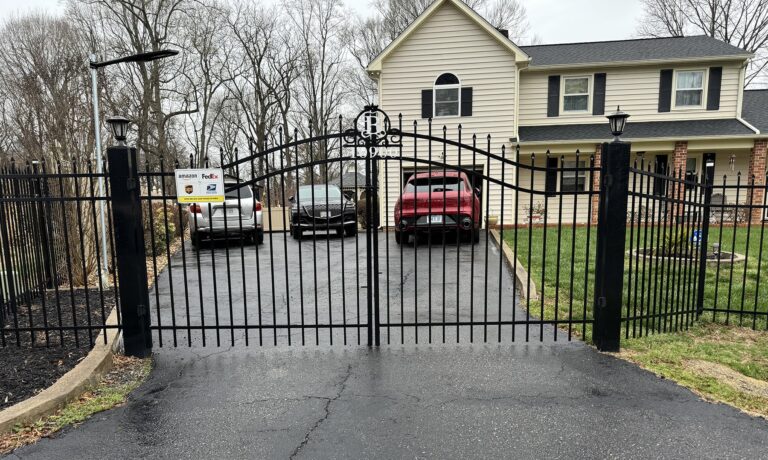
Double gates cover wider openings, such as a driveway or a path for a riding mower. Each leaf hangs from its own post, and the two leaves meet in the middle. A drop rod on one leaf pins it to the ground, then the other leaf latches to it. Without that drop rod, a double gate can often be pushed open where the leaves meet. On this classic aluminum fence for a Richmond home, an arched double drive gate spans the full width of the driveway between two wide columns.
Self-Closing Gates
Self-closing hinges use spring tension to pull the gate shut after every use. When you pair them with a self-latching latch, the gate secures itself even if someone forgets. This is the setup we suggest for families with young children or dogs, and it is also the standard for pool gates.
Cantilever and Rolling Gates
Cantilever and rolling gates slide instead of swing. A rolling gate rides on wheels across the ground. A cantilever gate hangs from rollers on its posts and never touches the ground, so gravel, mud and snow cannot jam it. Both suit wide or busy openings, which is why you see them most on commercial sites and long driveways.
The Hardware Behind Fence Gate Security
The gate style sets the frame, but the hardware decides whether that frame stays shut. These are the parts worth checking before you choose a gate.
Latches and Locks
A gravity latch is simple and reliable for everyday use. For more security, choose a lockable latch or one that takes a padlock. Magnetic latches close cleanly even when a gate settles a little, so they are a common pick for aluminum and pool gates.
Hinges Built for the Weight
Heavy gates need heavy hinges. Light strap hinges bend under a wide wood gate, and a bent hinge is usually where sag begins. Where you can, mount the hinges on the yard side of the gate. That way nobody can pull the pins from the street.
Posts and Bracing
A gate is only as steady as the post it hangs on. Gate posts carry the full weight of the gate every time it swings, so they should be heavier than line posts and set in concrete. Our guide to wood fence parts explains how posts, rails and pickets work together.
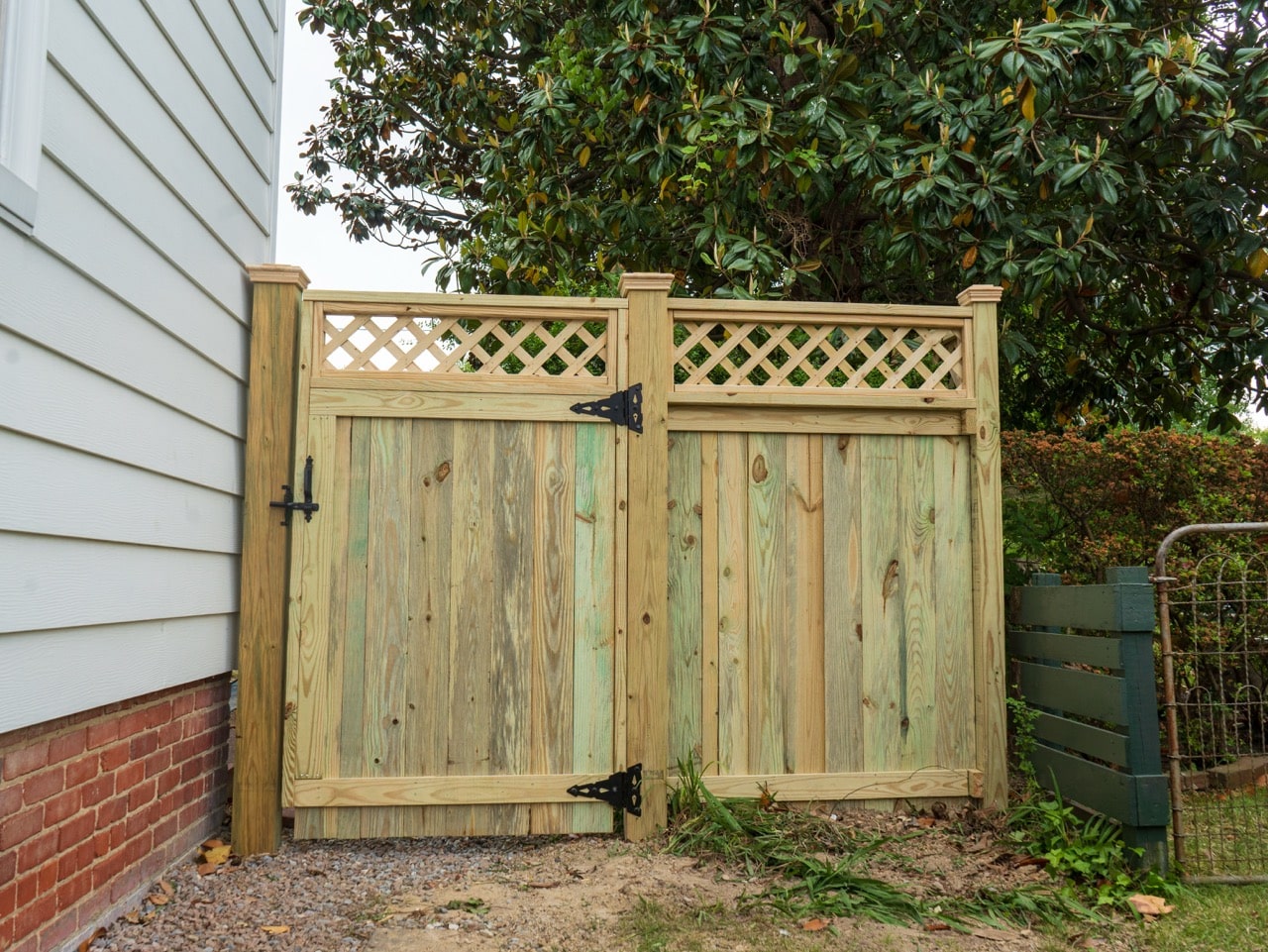
Wood gates also need a diagonal brace. It should run from the bottom corner on the hinge side up to the top corner on the latch side. That way the frame pushes against the hinge post instead of dropping. If a gate already sags, an anti-sag kit with a steel cable and turnbuckle can pull it back into square.
How Can You Improve Gate Security at Home?
Good hardware is the first layer. After that, a few simple habits and add-ons do the rest.
- Light the gate. A motion light over the gate removes the dark corner where someone could work on a latch unseen.
- Trim plants back. Shrubs that hide the gate from the street or the house make it easier to force.
- Add a camera or smart lock. A keypad lock or a camera at the gate shows you who comes and goes.
- Change codes often. Reset keypad codes after contractors or house sitters finish.
- Match the gate to the fence. A tall privacy fence with a short gate beside it invites a climb.
Gate Security Around Pools, Kids and Pets
A pool gate has one job: close and latch every time, with no help from anyone. The U.S. Consumer Product Safety Commission Safety Barrier Guidelines for Residential Pools say pool gates should open outward, away from the pool, and should be self-closing and self-latching. If the latch release sits lower than 54 inches from the bottom of the gate, the guidelines move it to the pool side, at least 3 inches below the top.
Virginia also sets its own pool barrier rules through the state building code, so check with your county before you build. Our guide to Virginia pool fence regulations walks through the local requirements.
The same self-closing setup helps dog owners, too. A gate that swings shut behind a delivery driver keeps a curious dog safely in the yard.
How to Keep a Secure Gate Working Year Round
Most gate problems start small. A quick check each season catches them before they turn into a gate that will not latch.
- Open and close the gate. It should swing freely and latch without a push.
- Look for sag. If the latch side drops, tighten the hinge screws first, then check the brace.
- Oil the hinges and latch twice a year with a light lubricant.
- Leave a small gap at the latch on wood gates, so they do not bind when the wood swells.
- Keep gravel, mulch and leaves out of the swing path, because debris strains the hinges over time.
For the rest of the fence line, see our tips on fence maintenance.
Plan Fence Gate Security With Your New Fence
Gates are easiest to get right when they are part of the fence plan from the start. Post spacing, swing direction and hardware all depend on the fence around them. That is why Good Neighbor Fence builds gates as part of a complete fence design and installation rather than as a standalone job.
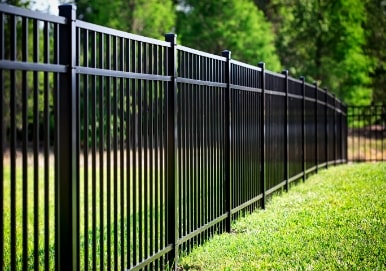
Aluminum gates pair well with an aluminum fence installation because the metal will not rust or rot. You can see one in this Siskin style aluminum fence for a Chester new build. For a warmer look, browse these wood fence gate designs.
Get a Quote for Your Fence and Gate
Planning a new fence in Central Virginia? Request a quote and our team will measure each opening and recommend a gate and hardware that fit the way you use your yard. You can also call us at (804) 737-4664.