



It is time to replace your wood fence when the posts rot at the ground, long runs lean, boards fail across whole sections, insects hollow out the wood, or repairs keep coming back. One loose board is a quick fix, but those five signs mean the structure itself is wearing out.
Below, we walk through each sign, the simple checks you can do yourself, and what a replacement involves. Good Neighbor Fence does not do repairs, but if your fence is past saving, we will quote a replacement.
Quick Checks Before You Replace Your Wood Fence
Before you decide anything, walk the full fence line with a screwdriver in hand. These three checks tell you most of what you need to know:
- Push test. Push each post firmly at shoulder height. A sound post barely moves, so count the ones that rock or lean.
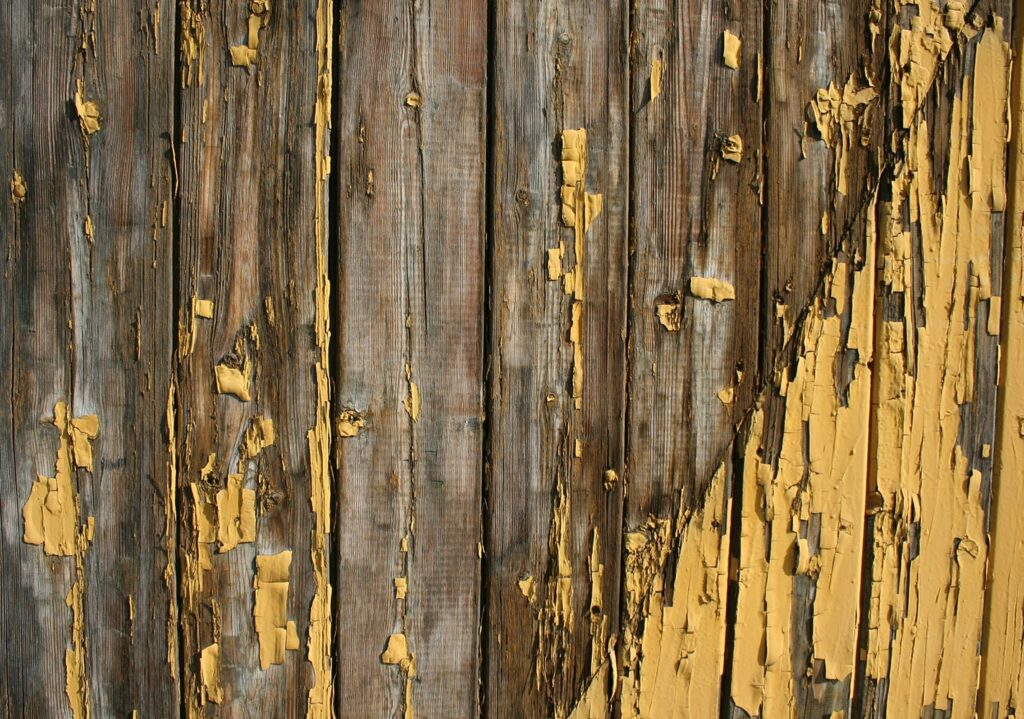
- Probe test. Press a screwdriver or awl into each post right at the ground line. Sound wood resists, while decayed wood feels soft or spongy and may crumble.
- Sight down the line. Stand at one end and look along the top rail. Waves, dips and leans show you which sections are moving.
The USDA Forest Products Laboratory notes that decayed wood can feel spongy, and it recommends probing with a pick or knife when termites are suspected, since their galleries seldom show on the surface. Write down what you find, section by section. That list makes the decision much clearer.
Sign 1: Rot at the Base of the Posts
Rot is the most common way a wood fence fails, and it starts where the post meets the soil. That is where moisture sits longest, and decay fungi need wet wood. According to the same Forest Products Laboratory handbook, serious decay happens only when wood moisture stays above the fiber saturation point, about 30 percent on average.
What to look for: soft, dark or crumbling wood at the ground line, posts that move when you push them, and boards that stay damp at the bottom. A rotted post cannot hold the fence up, however good the top looks. Also, posts of the same age in the same soil tend to fail around the same time.
So if only one post is soft and the rest pass the probe test, a single post can sometimes be reset or braced. Our guide to wood fence repair cost covers that side. But if rot shows up on post after post, it is time to replace the fence rather than patch it.
Sign 2: Leaning or Sagging Runs
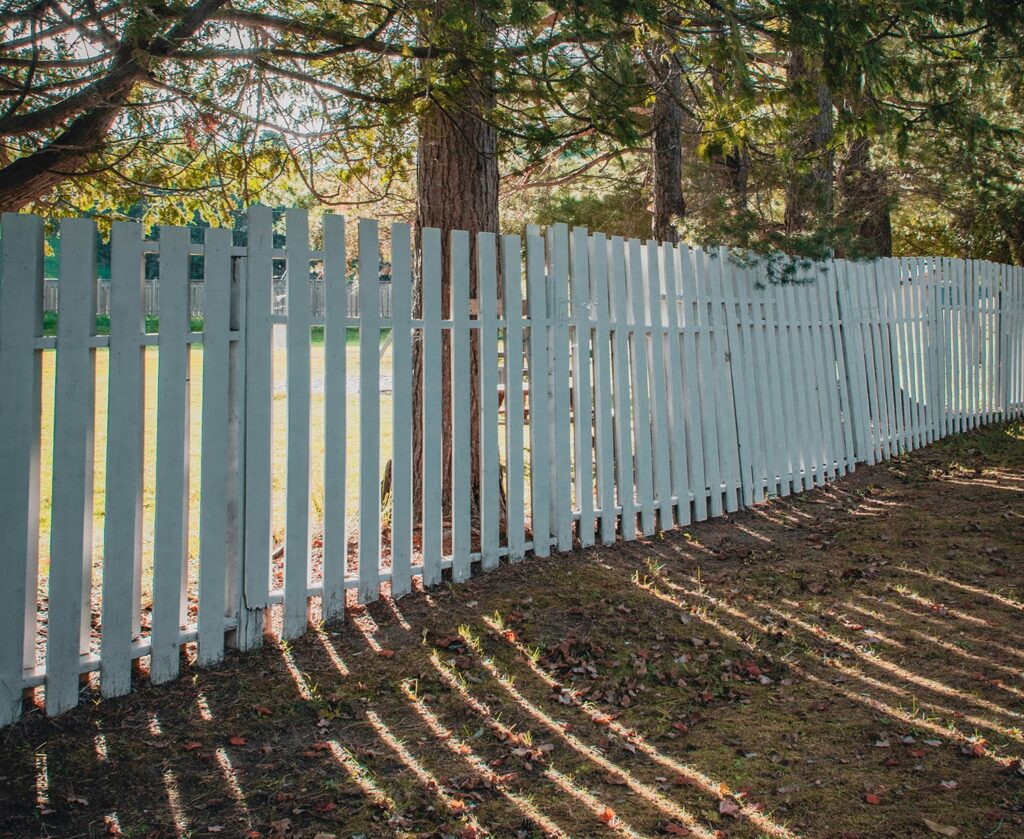
A single leaning post often traces back to one weak footing or a tree root. A run that leans the same way for many feet is different. It usually points to rotted posts, shallow footings, soil that has shifted over several winters, or wind pushing on a tall privacy fence.
DIY check: sight down the top rail, then push every post in the leaning stretch. If they all move, bracing one post will not hold for long. Widespread leaning is a structural problem, so a new fence with properly set posts is the lasting fix. Before you rebuild, compare steel and pressure-treated fence posts.
Sign 3: Board Damage Across Whole Sections
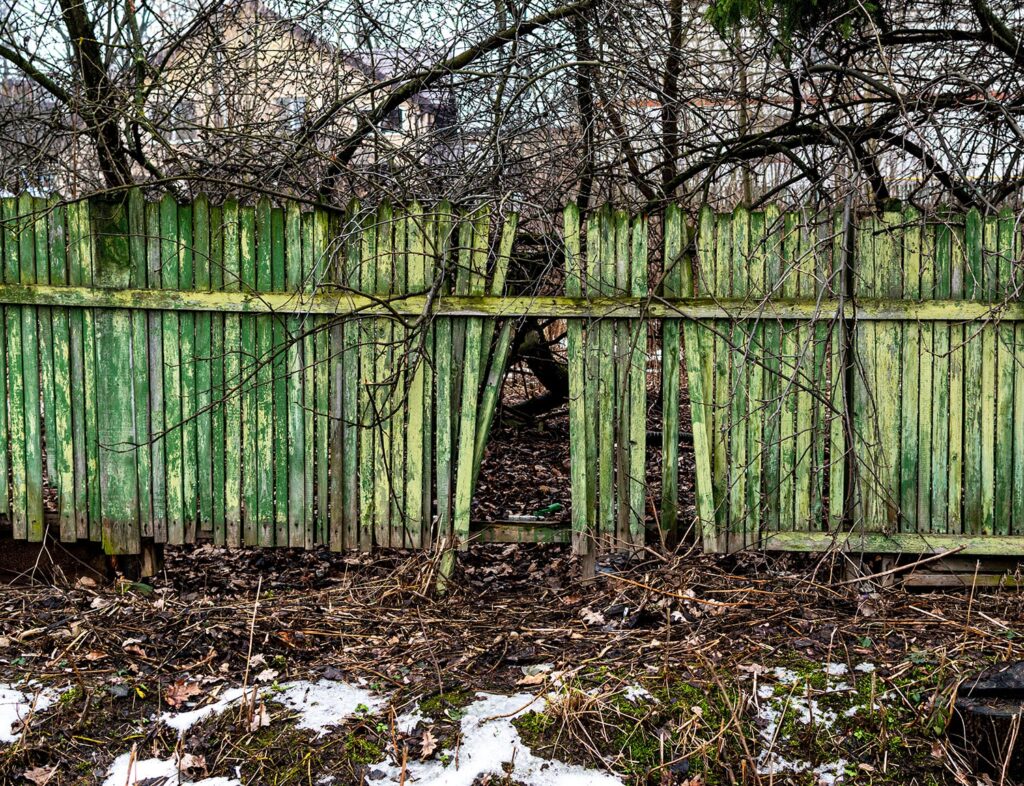
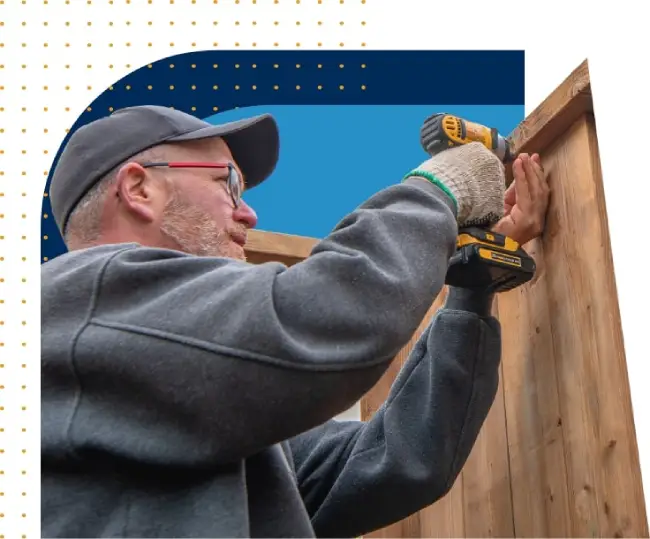
Boards work loose as wood shrinks and swells, and a few loose or missing pickets are easy to handle. Drive a new exterior screw into a loose board, or swap a broken one for a matching board yourself.
The picture changes when splitting, warping and rot run across whole sections. Check behind the boards, too. If the rails are soft, new pickets have nothing solid to hold on to. At that point you would be rebuilding the fence one piece at a time, and a replacement often makes more sense.
Sign 4: Termite or Carpenter Ant Damage
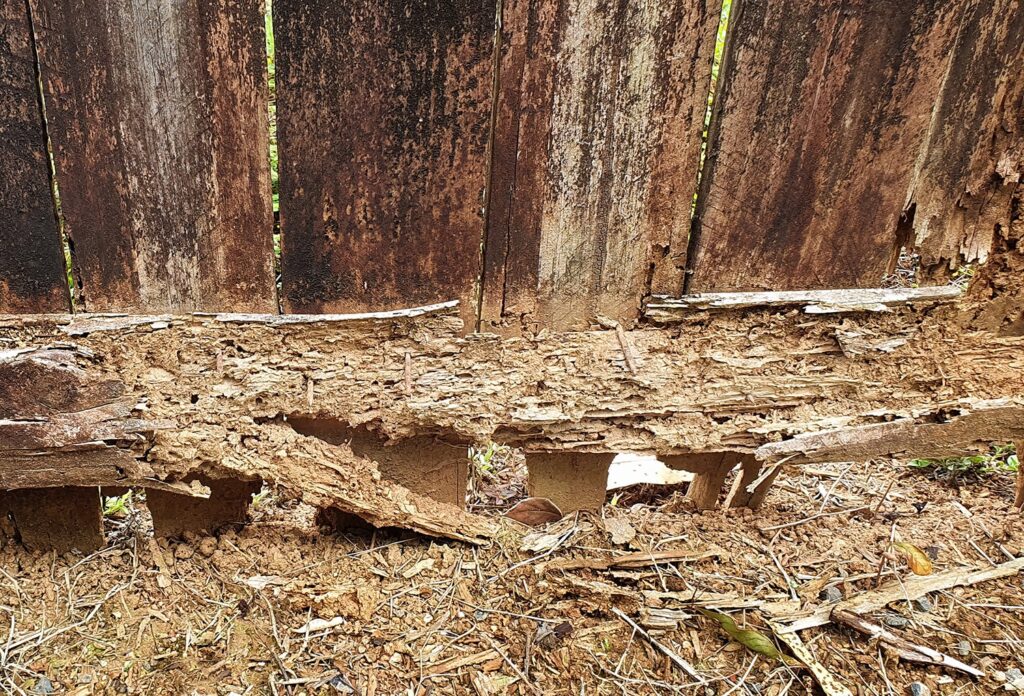
Wood in contact with soil can attract subterranean termites and carpenter ants. The Forest Products Laboratory explains that subterranean termites build mud shelter tubes and leave a shell of sound wood over their galleries. Carpenter ants, on the other hand, prefer wood that is already soft from decay.
What to look for: mud tubes on posts, boards that sound hollow when tapped, and wood that gives way when probed. Call a licensed pest control company first, because a fence in soil contact may sit close to your house. Then, if the posts or rails are riddled, replace the fence instead of trying to save it.
Sign 5: Repairs That Keep Coming Back
One repair is normal upkeep. But if you reset a post this spring, replace boards next fall and brace a sagging gate the year after, the fence is telling you something. Each fix buys a little time on a structure that is wearing out as a whole.
Keep a simple log of what you fix and when. If the list keeps growing, put that money toward a new fence instead. Fence financing through Wisetack, starting at 0% APR for qualified buyers, can help you spread the cost.
When to Replace a Wood Fence That Still Stands
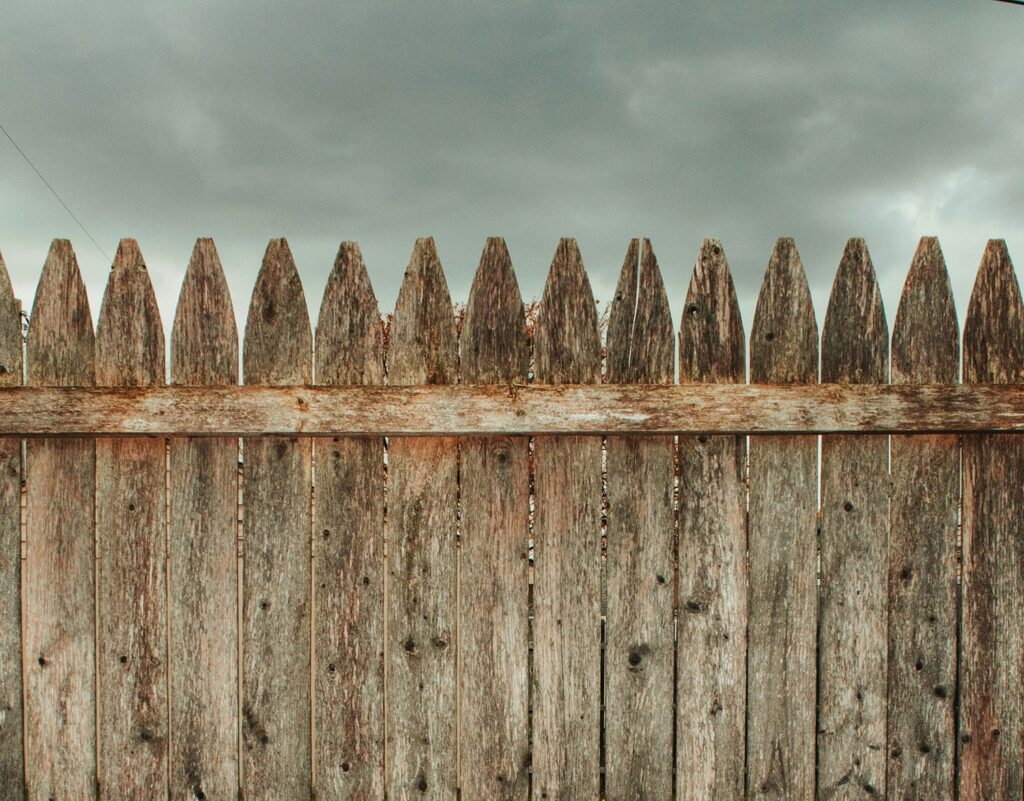
Not every replacement starts with damage. A 4 foot picket fence may stop giving enough privacy after a neighbor adds a deck, or an open fence may no longer hold a growing dog. An old fence can also look tired next to a renovated home.
These are functional reasons rather than structural ones, so there is no rush. Still, if one of them lines up with any of the five signs above, it is a good time to upgrade. Browse our privacy fence styles if screening is the goal.
Repair or Replace Your Wood Fence? How to Decide
Use your walk-through notes. A fix usually makes sense when:
- Only one or two posts fail the push or probe test
- Damage is limited to a few boards
- The fence is fairly young and otherwise solid
Replacement makes more sense when:
- Rot or leaning shows up on post after post
- Rails are soft or damaged by insects
- Repairs come back every season
- The fence no longer does the job you need
Good Neighbor Fence does not do repairs. But if your checks point to a replacement, we will talk through new fence options with you and give you a fast, free quote.
What Happens When You Replace Your Wood Fence
A replacement follows a few clear steps. First, the old fence comes out, and removal and haul-away should be listed on your quote. Next, new posts go in, so someone must contact Virginia 811 to mark public utility lines at least 3 working days before digging. Finally, the new fence goes up, and most of our installs take 1 to 2 days.
Choose Wood That Lasts
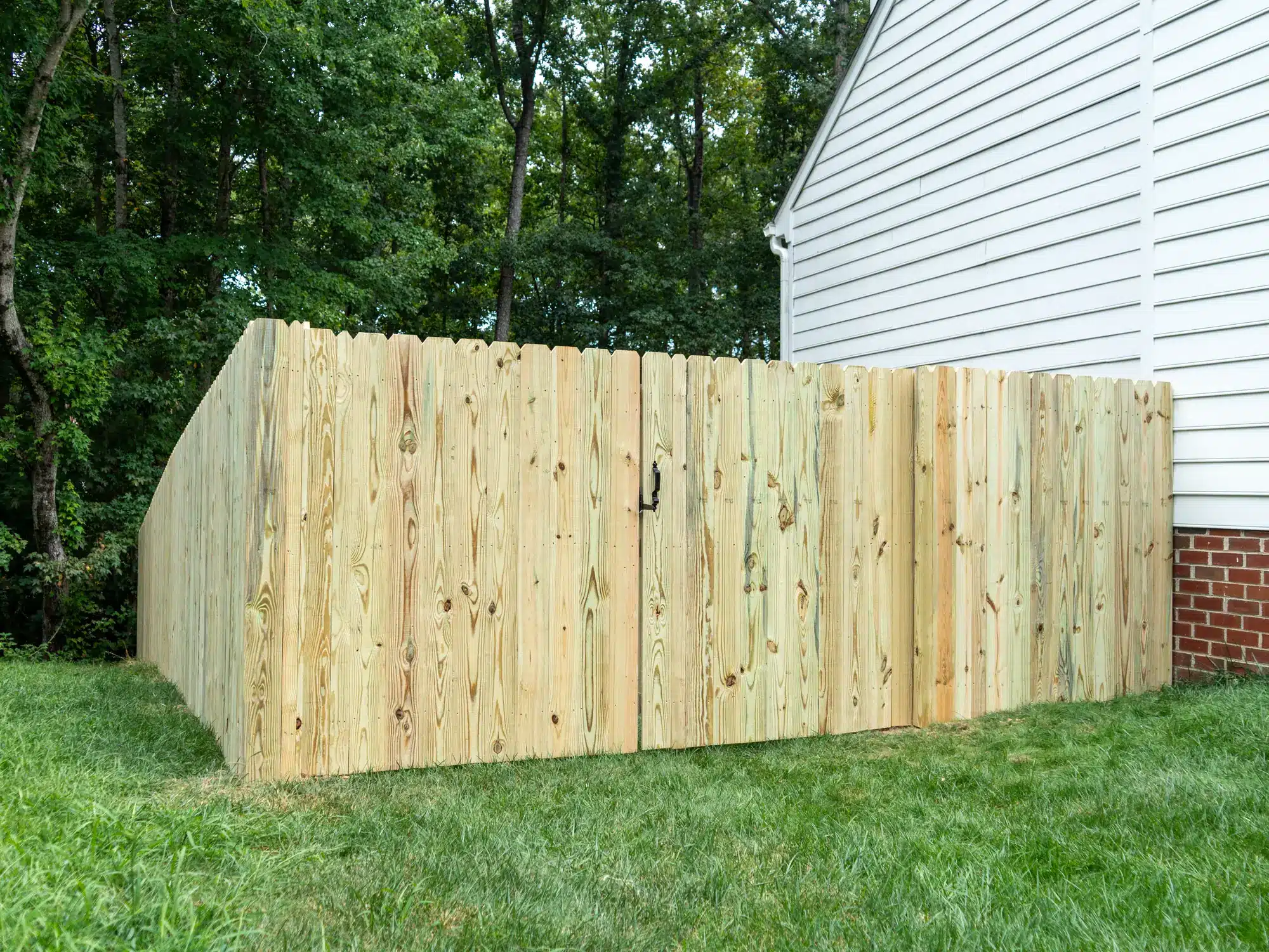
For posts, ask for lumber treated for ground contact. The American Wood Protection Association says ground contact calls for Use Category 4A (UC4A) or higher. Cedar costs more, but its heartwood resists decay naturally. A rot board along the bottom also keeps pickets off the soil.
Consider Other Materials
Some homeowners replace wood with vinyl to cut upkeep. Compare vinyl fence installation with wood fence installation before you decide.
Plan the Budget
To see what moves the price, read our guides to wood fence cost and fence installation cost. Then, once the new fence is up, a little care goes a long way, so read why fence maintenance matters.
FAQ: Replacing a Wood Fence
How Long Should a Wood Fence Last?
It depends on the wood, the soil and the upkeep. Posts treated for ground contact, or decay-resistant heartwood like cedar, hold up far longer than untreated wood, and regular sealing helps. So watch for the five signs above rather than counting years.
Can I Replace Just One Section of a Wood Fence?
Often, yes, when one run has failed and the rest pass your checks. Expect new wood to look different from weathered boards at first. Then ask your contractor how the new section will tie into the old one.
Should I Replace a Wood Fence With Vinyl?
If you want less upkeep, vinyl is worth a look, since it does not need staining or sealing. If you love the look of natural wood, a new wood fence with ground contact posts is a solid choice.
Can I Remove the Old Fence Myself?
You can, but posts set in concrete are hard to pull, and you will need a way to haul away the debris. If you plan to do it, agree on it with your contractor before the quote is final.
Thinking About a Replacement? Get a Quote
Good Neighbor Fence does not do repairs, but if your fence is past saving, we will quote a replacement. We have been family owned since 2006 and have earned 400+ five-star Google reviews. Request a fast, free quote or call (804) 737-4664 in Central Virginia or (540) 506-4835 in Northern Virginia. For ideas, see this Chesterfield wood fence build.