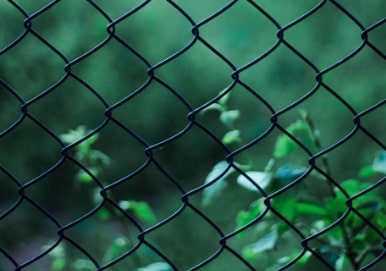


A vinyl chain link fence is steel chain link wrapped in a colored PVC coating, usually black or green. You keep the strength, open view and budget price of chain link. But the coating adds a second layer of rust protection and lets the fence fade into your yard.
At Good Neighbor Fence, we build coated chain link fences for backyards, dog runs and large properties across Central Virginia. Here’s what the coating does, where it makes sense, and when another fence type is the better call.

What Is a Vinyl Chain Link Fence?
The fabric starts as galvanized steel wire, which already carries a zinc coating. Then the manufacturer extrudes or bonds a layer of PVC over that wire. For example, Master Halco’s spec sheet for its PVC coated fabric lists a galvanized wire core under an extruded vinyl coating. That fabric meets ASTM F668, the standard for polymer coated chain link.
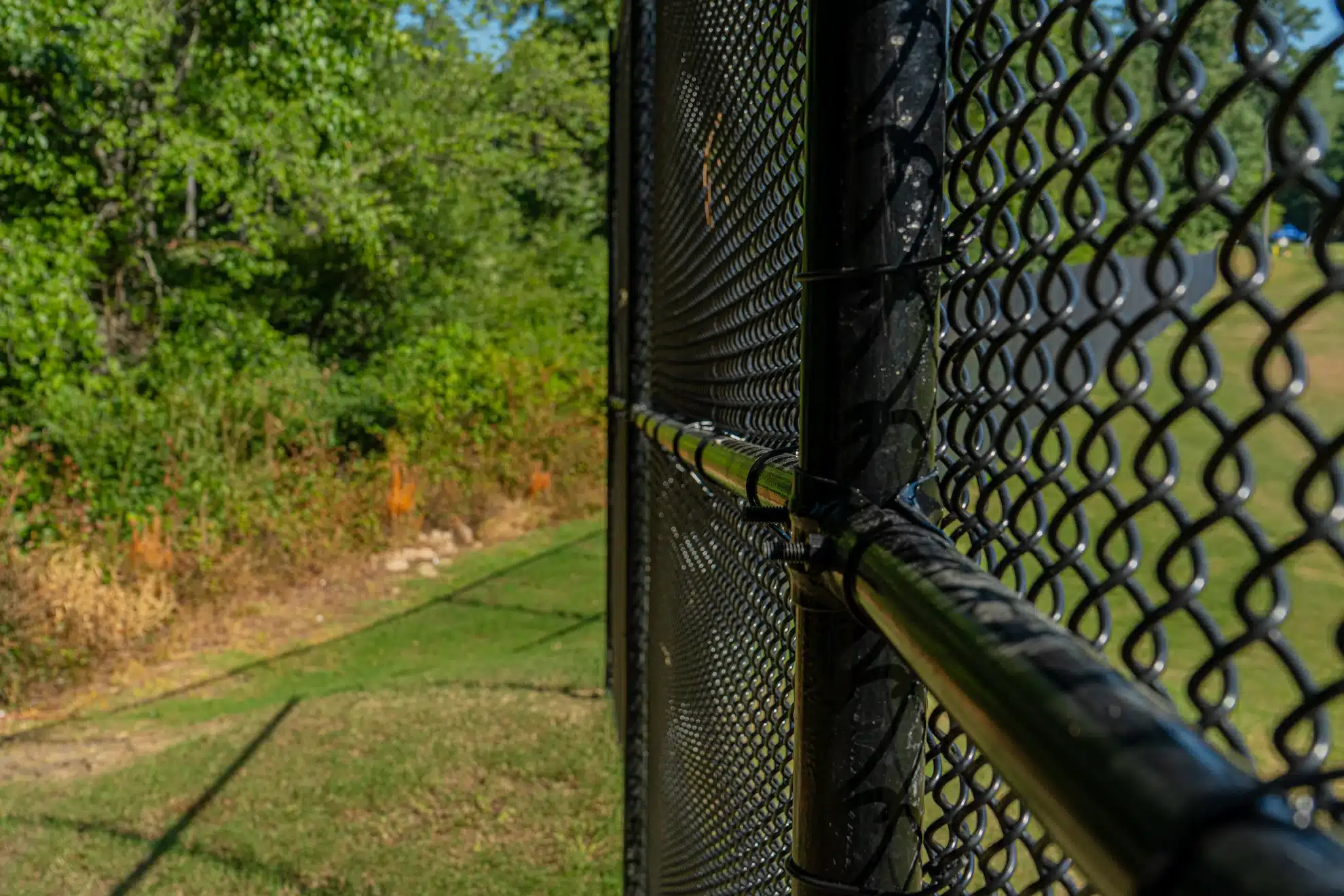
Posts, rails and fittings come in a matching color, so the whole fence reads as one clean line. Wire thickness is sold by gauge, and a lower number means thicker wire. The same spec sheet lists 9 gauge wire at 0.148 inch and 11 gauge at 0.120 inch. So 9 gauge fabric feels stiffer when kids or dogs lean on it.
Benefits of Vinyl Coated Chain Link
The coating changes more than the color. Here’s what you actually gain over bare galvanized chain link.
A Second Layer of Rust Protection
Bare chain link relies on its zinc layer alone. With vinyl coated chain link, rain, sprinklers and wet leaves hit plastic first, so the steel stays sealed off from moisture. That matters in Central Virginia, where humid summers and wet winters keep fence lines damp for long stretches. Still, a deep gouge from a mower can expose the wire, so keep the coating intact.
A Fence That Blends Into the Yard
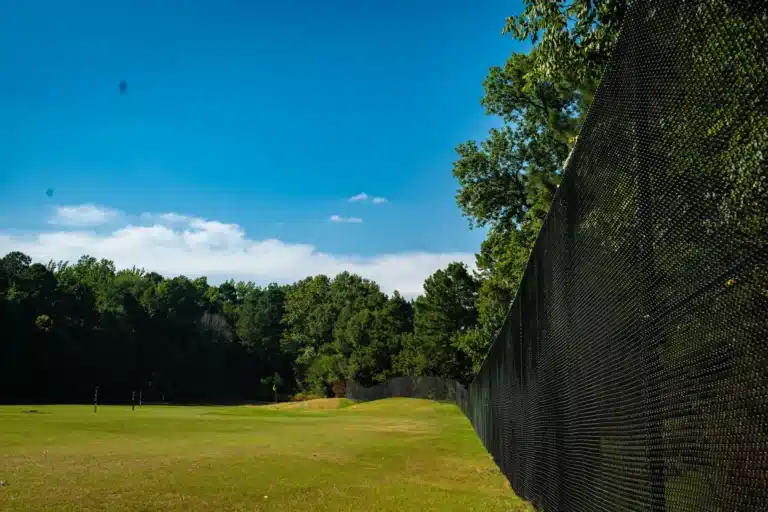
Silver chain link catches the light, and it can look industrial next to a nice house. But black or green fabric recedes against grass, shrubs and trees, so your eye goes past the fence to the yard. You can see the effect on our low visibility chain link project at Brandermill Country Club. There, black fabric lets a long perimeter fence fade into the fairways and wooded edges.
Very Little Upkeep
A vinyl chain link fence never needs paint, stain or sealer. Most years, a rinse with a garden hose is all it asks for. Compare that with a wood fence, which needs regular sealing to hold its color.
Lower Cost Than Solid Fences
Coated fabric costs more than bare galvanized wire. Still, chain link remains one of the most budget friendly fences we build, because it uses far less material than a solid privacy fence. Our fence installation cost guide breaks down what drives price. Also, this chain link and vinyl fence cost comparison shows how the two stack up. If you want to spread out payments, look at our fence financing options.
Where a Black Chain Link Fence Works Best
We recommend coated chain link when you need a secure boundary but don’t need to block the view. It fits these jobs well:
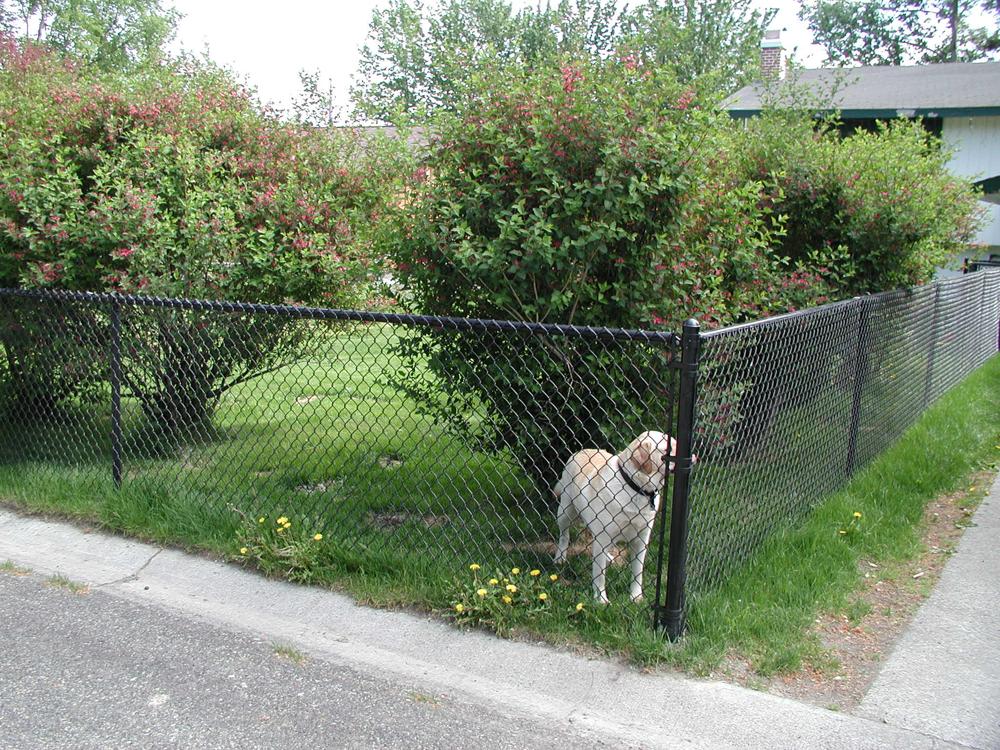
- Dogs and kids. The fence keeps pets in while they can still see out, and the coating feels smoother than bare wire. See our guide to the best fence for dogs for height tips.
- Large or wooded lots. Chain link covers long runs for less than wood or vinyl, and a dark color stays quiet against the tree line.
- Gardens. A coated fence keeps pets and larger animals out of your beds without shading your plants. Our garden fence guide covers other options.
- Businesses and sports areas. Courts, fields and storage yards use it for security you can see through. Read more in our commercial fence guide.
Pool Enclosures Need the Right Mesh
Chain link can work around a pool, but standard 2 inch mesh is wider than federal safety guidelines recommend. The CPSC pool barrier guidelines say chain link mesh should not exceed 1¼ inches square unless slats reduce the openings to 1¾ inches or less. The same guidelines call for a barrier at least 48 inches tall. Your county code has the final word, so read our Virginia pool fence regulations guide before you pick a fabric.
Is a Vinyl Chain Link Fence Right for Your Yard?
It’s the right call if you want security, pet containment and a clean look on a moderate budget. But it won’t give you privacy, because you can see straight through it. If you want to block a neighbor’s view of your patio, a wood or vinyl privacy fence is the better fit.
Style is the other trade off. If you love the black, open look but want something more finished, aluminum fence installation costs more but reads like a classic picket. For a deeper side by side, see our breakdown of chain link pros and cons.
How Do You Care for Vinyl Coated Chain Link?
Care is simple, and most of it happens while you’re already doing yard work.
- Rinse the fence with a garden hose in spring to wash off pollen and dirt.
- Scrub stubborn spots with mild dish soap and a soft brush, then rinse.
- Run the string trimmer carefully along the base so the line doesn’t nick the coating.
- Pull vines off the fabric, since they trap moisture and add weight.
- Check the top rail and gate hardware once a year, then tighten any loose fittings.
For a full seasonal checklist, see why fence maintenance matters.
Get a Quote for Black Chain Link in Central Virginia
Good Neighbor Fence has been family owned since 2006, and we have 400+ five-star Google reviews. We build chain link across Richmond, Chesterfield, Henrico, Hanover and the surrounding counties. Request a fast, free quote online or call (804) 737-4664 to talk through heights, colors and gates for your yard.