


The biggest vinyl fence pros and cons come down to upkeep versus price. Vinyl won’t rot and never needs paint or stain, but it costs more up front than wood. It also comes in set colors, and a damaged section usually means a new panel instead of a new board.
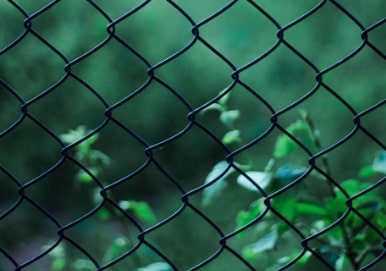
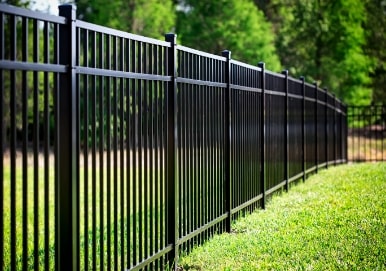
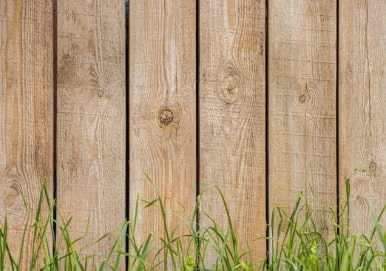
Good Neighbor Fence installs vinyl, wood, aluminum and chain link across Central Virginia, so we have no reason to oversell one material. Here is an honest look at where vinyl shines, where it falls short, and who it suits best.
Vinyl Fence Pros and Cons at a Glance
- Pros: No painting or sealing, no rot or termites, no splinters, easy cleaning, and many styles and colors.
- Cons: Higher upfront cost, a color you can’t easily change, panel replacement instead of board repair, and damage from hard impacts or high heat.
What Is a Vinyl Fence Made Of?
Vinyl fencing is made from rigid PVC (polyvinyl chloride) formed into hollow posts, rails and panels. The parts slot or lock together, and the posts go in the ground like any other fence.
Quality varies by manufacturer, so ask what standard the product meets. ASTM F964 is the specification for rigid PVC fencing and railing profiles. It sets requirements for dimensional tolerances, extrusion quality and weatherability, and it includes tests for impact resistance.
The Advantages of Vinyl Fencing
Low maintenance. Vinyl never needs painting, staining or sealing. A garden hose and a soft brush with mild soap handle most dirt. Our guide on how to clean a vinyl fence covers stubborn stains.
No rot or termites. Wood decays when it stays wet. The USDA Forest Products Laboratory Wood Handbook explains that serious decay only happens when wood moisture stays above its fiber saturation point. Vinyl isn’t wood, so rot and termites aren’t a concern.
Safe for kids and pets. There are no splinters and no nails working loose. Smooth privacy panels also give climbers very little to grab.
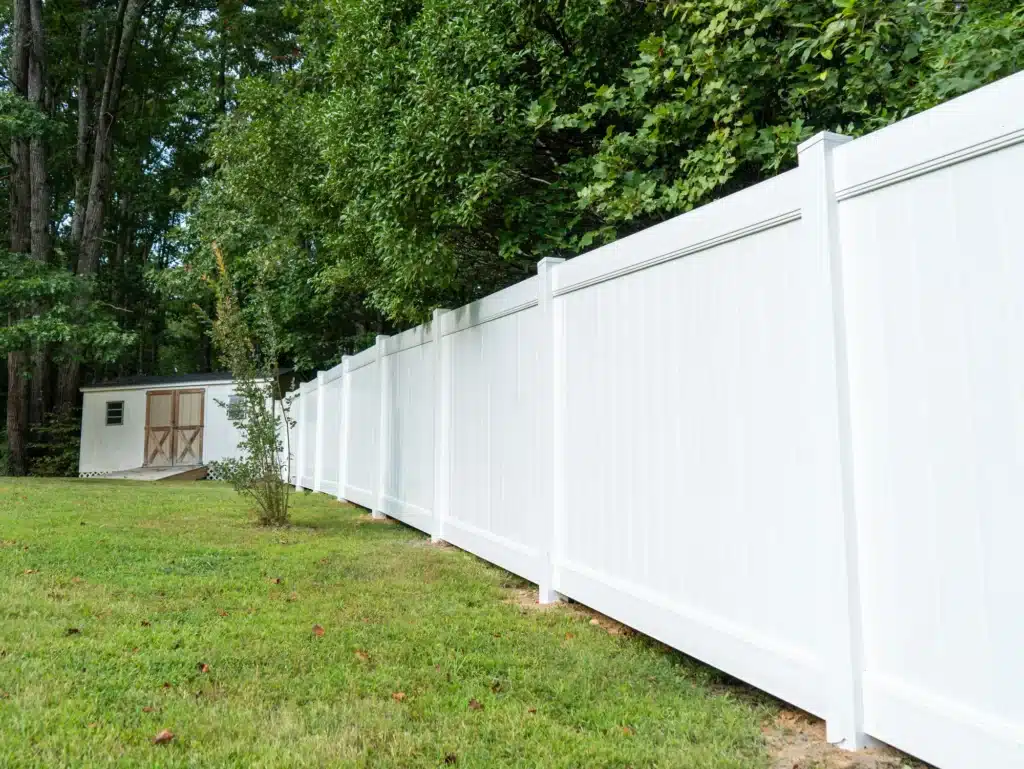
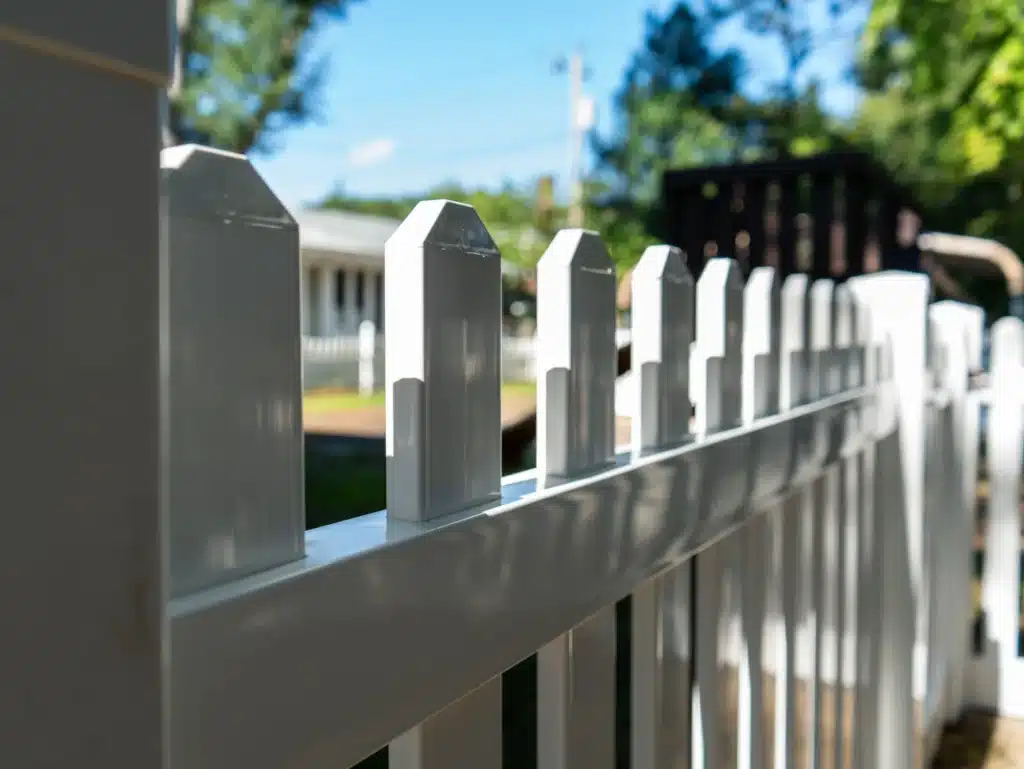
Lots of styles. You can choose full privacy, semi-privacy, picket, lattice tops or a vinyl split rail fence. Many lines also come in several colors and wood-grain textures. See our guide to vinyl fence colors for ideas.
The Cons of a Vinyl Fence
Higher upfront cost. Vinyl usually costs more to install than a comparable wood fence, and a lot more than chain link. Our guide to what drives vinyl fence cost shows where that money goes. You save some of that back, since there is no staining or sealing. Still, the day-one price is higher. Our chain link vs vinyl cost comparison explains why, and fence financing can spread out the cost.
Color is a one-time choice. Vinyl isn’t made to be painted or stained, so the color you pick is the color you keep. Choose a shade that works with your house and your HOA for the long haul.
Repairs mean new parts. On a wood fence, a cracked board is a one-board fix. On vinyl, a cracked rail or panel usually has to be replaced, and matching an older color or style can be hard. Our guide to vinyl fence panel replacement walks through the process.
Impact, heat and wind. Vinyl flexes, but a hard hit from a mower, a thrown rock or a falling limb can crack it. A grill set too close can also distort it. Solid panels catch wind too, as our post on how much wind a vinyl fence can withstand explains.
Mildew on the shady side. In humid Central Virginia summers, the shaded side of a fence can grow green mildew. It washes off, but plan on a cleaning or two each year. For other issues to watch, see our list of common vinyl fence problems.
Is Vinyl Better Than Wood?
It depends on what you value more: a lower price now, or less work later. Wood fence installation costs less, and you can stain wood any color you like. But wood needs regular sealing, and posts can rot at the soil line over time.
Vinyl costs more, but it skips the sealing and stands up to moisture. So if you’d rather spend weekends in the yard than working on the fence, vinyl usually wins. For a side-by-side look at every material, read our breakdown of the pros and cons of each fence type, or compare composite vs vinyl fence options.
How to Get More Years Out of a Vinyl Fence
A few choices at install time, and a little care after, make a big difference in how vinyl holds up.
- Ask about reinforced rails. Some vinyl lines add an aluminum insert in the bottom rail to help it resist sagging.
- Stiffen the gate posts. A gate post carries more load than a line post, so a metal insert or heavier post helps the gate hold its shape.
- Keep heat away. Move grills and fire pits well back from the fence.
- Trim with care. Hard string trimmer line can scar the bottom of posts, so a mulch strip along the fence line helps.
- Aim sprinklers away. Water from some wells can leave rust-colored stains on white vinyl.
- Wash it every spring. A quick wash keeps mildew from setting in.
Our vinyl fence maintenance guide has the full seasonal checklist.
Is a Vinyl Fence Worth It? Weighing the Pros and Cons
Vinyl is usually worth it if:
- You want privacy without staining or sealing.
- You have kids or pets and want a smooth, splinter-free fence.
- You plan to stay in your home long enough to enjoy the lower upkeep.
- Your HOA allows vinyl, and you like the colors on offer.
It may not be the best fit if:
- Your budget is tight, and you don’t mind maintaining wood.
- You want a custom stain color or a rustic look.
- The fence line sits where mowers or vehicles will hit it often.
If you live in an HOA, check the rules on material, color and height before you choose. Our tips on installing a fence in an HOA can help.
Get a Quote for a Vinyl Fence in Central Virginia
Good Neighbor Fence is a family-owned company that has served Central Virginia since 2006, with 400+ five-star Google reviews. We offer vinyl fence installation across Richmond, Chesterfield, Henrico, Hanover and the rest of Central Virginia. See a finished job in this vinyl privacy fence for a Hanover home. Then request a fast, free quote or call us at (804) 737-4664.