


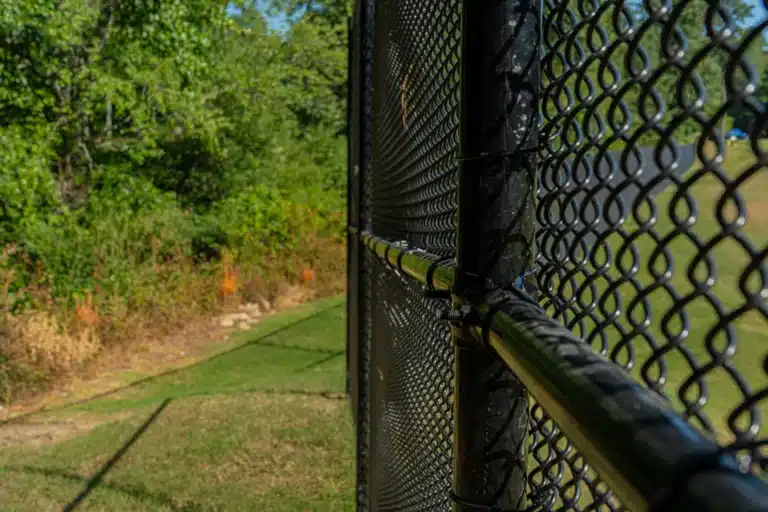
Chain link fence parts fall into three groups: the framework (posts and rails), the fabric (the woven wire mesh) and the fittings that hold them together. Once you know what each piece does, you can read a fence quote line by line and spot trouble on an older fence early.
Here’s a walk through every part, from the posts in the ground to the caps on top, with the specs the chain link industry uses.
Terminal Posts and Line Posts
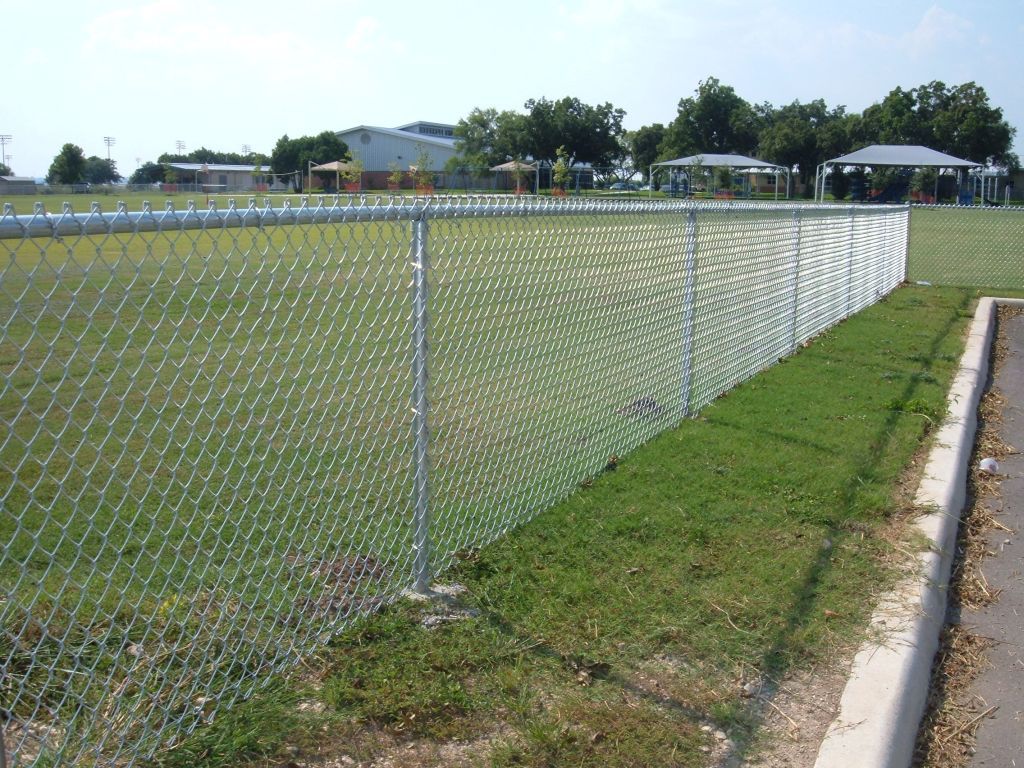
Posts are the chain link fence parts that carry everything else. Terminal posts sit at the ends, corners and gates. They anchor the fence and take the pull of the tightened fabric, so they’re usually larger in diameter than the posts in between.
Line posts run between the terminals and carry the top rail and fabric. The Chain Link Fence Manufacturers Institute (CLFMI) calls for line posts no more than 10 feet apart on center. Its installation guide suggests post holes at least 24 inches deep for a 4-foot fence, then 3 more inches for every extra foot of height.
Installers usually set the posts in concrete. They’re galvanized steel, and you can also get them with a black or green coating to match coated fabric.
Top Rail, Bottom Rail and Tension Wire
The top rail is the horizontal pipe along the top of the fence. It slides through loop caps on the line posts, then connects to the terminal posts with rail end cups. So it keeps the posts in line and gives the fabric a straight edge to hang from.
Rails come in sections that join end to end. Most sections have one swaged (narrowed) end that slips into the next piece, or a rail sleeve joins two plain ends.
At the bottom, you’ll find either a bottom rail or a tension wire. A tension wire is a heavy wire that runs between terminal posts and clips to the fabric. It keeps the mesh from being pushed out at the base, which matters if you’re building a fence for dogs. A bottom rail does the same job with a rigid pipe.
The Fabric: Wire Gauge, Mesh Size and Coating
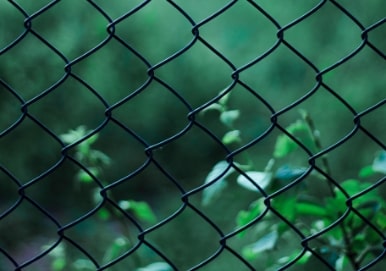
The fabric is the woven diamond mesh you see. Three numbers describe it: wire gauge, mesh size and height. Gauge works backward, so a lower number means thicker wire.
For example, the CLFMI product manual lists 11.5 gauge wire (0.113 inch) in a 2 1/8 inch mesh as a residential fabric. It lists 9 gauge wire (0.148 inch) in a 2 inch mesh for residential, commercial and industrial jobs.
Coating matters as much as gauge. The manual covers galvanized, aluminum-coated, zinc-aluminum alloy and polymer-coated fabric. Polymer coatings come in colors such as black, dark green and brown, and they blend into a yard better than bare metal.
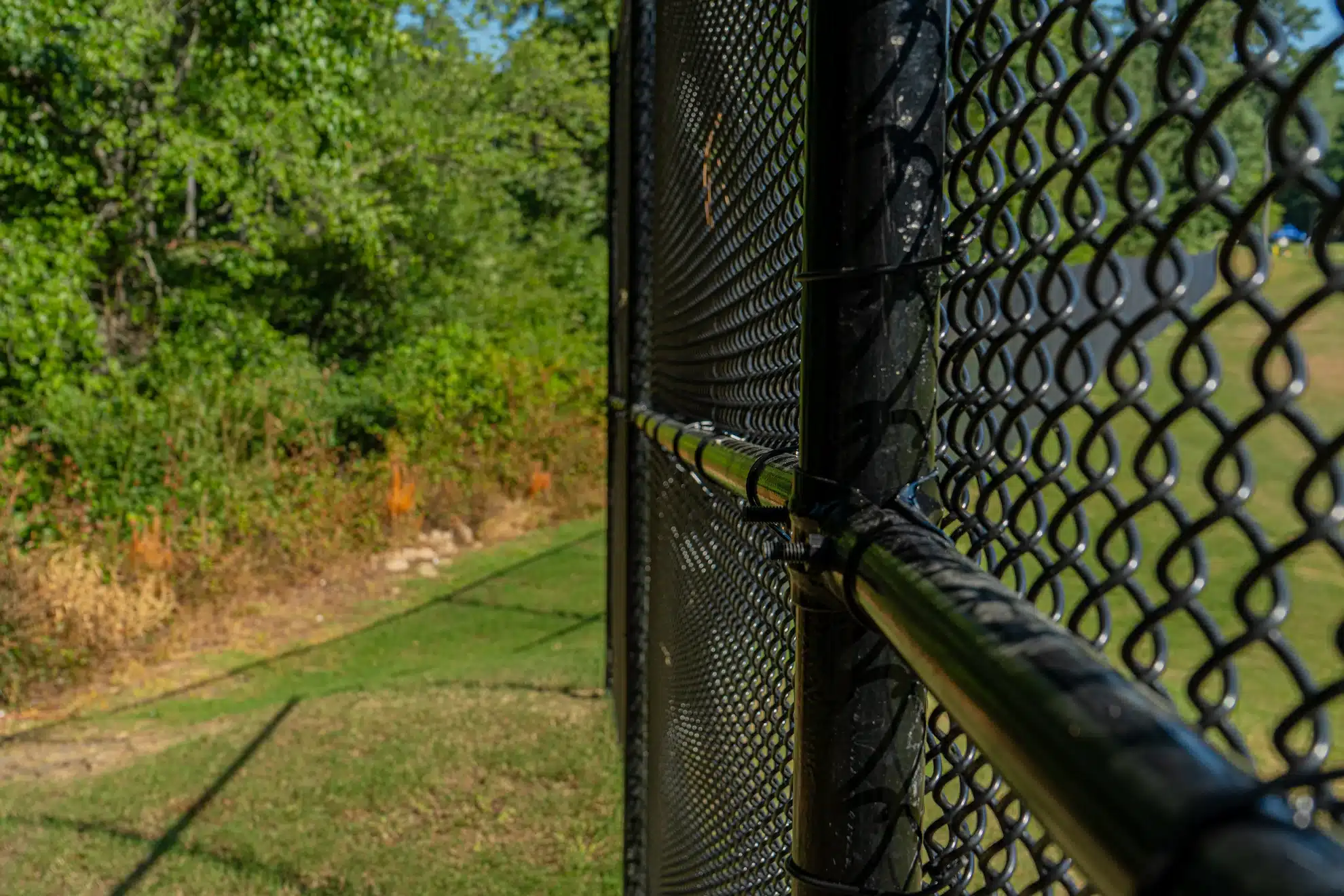
On our Brandermill Country Club project in Chesterfield County, black-coated chain link was a deliberate choice. It fades into the landscape around the course instead of drawing the eye.
The top edge of the fabric is called the selvage. Knuckled selvage bends the wire ends back into tight loops, while twisted selvage twists them together. Knuckled edges are the friendlier choice anywhere kids or pets brush against the fence.
Chain Link Fittings That Hold the Fence Together
Fittings are the small chain link fence components that turn pipe and mesh into a tight fence. Here’s what each one does:
- Tension bar: a flat steel bar that weaves through the last row of diamonds at each terminal post.
- Tension bands: flat bands that wrap the terminal post and bolt to the tension bar. CLFMI spaces them no more than 12 inches apart.
- Brace bands: bands that hold rail end cups and other fittings to terminal posts.
- Rail end cups: cups that grip the end of the top rail and fasten it to a terminal post.
- Loop caps: caps on the line posts with an opening the top rail slides through.
- Post caps: dome caps that seal the top of each terminal post and keep rain out.
- Tie wires: short wires that fasten the fabric to the framework. The CLFMI manual spaces them no more than 12 inches apart on line posts and 18 inches on the top rail.
- Carriage bolts: the bolts and nuts that tighten each band.
- Hog rings: small rings that clip the fabric to the tension wire along the bottom.
Gate Hardware: Hinges, Latches and Drop Rods
When your fence project includes a gate, it adds a few more chain link fence parts. The gate frame is a pipe rectangle that holds its own panel of fabric. Post hinges clamp to the gate post, and frame hinges clamp to the gate so it swings on them.
A fork latch holds a single gate shut. Double drive gates also get a drop rod that pins one leaf to the ground. If you’re still planning the entry, our post on gates and home security goes deeper on gate planning.
Which Chain Link Fence Parts Wear Out First?
Chain link holds up well, but a few parts take most of the abuse. Tie wires snap or loosen over the years, so the fabric starts to sag between posts. Tension bands can slip when a bolt works loose. A falling limb can bend a section of top rail, and a missing post cap lets rain sit inside a terminal post.
Most of these are small fixes a homeowner can handle. But if posts lean or rust through at the ground, or the fabric sags along long runs, a new fence usually makes more sense than chasing parts. Our guide to fence maintenance explains why regular checks pay off.
How Do Chain Link Fence Parts Affect Cost?
Heavier gauge fabric, coated framework and extra terminal posts all add material cost. Gates and corners add fittings too, because each terminal post needs its own set of bands, caps and cups. If you’re comparing materials, our chain link and vinyl cost comparison shows how the two stack up.
Get a Quote for a Chain Link Fence in Central Virginia
Good Neighbor Fence has been family owned since 2006, with 400+ five-star Google reviews. We install chain link for homes, businesses and HOAs in Richmond, Chesterfield, Henrico and across Central Virginia.
Browse our chain link fence installation options, including heights, colors, mesh sizes and hardware. We don’t do repairs, but if your old chain link is past saving, we’ll quote a replacement. When you’re ready, request a fast, free quote or call (804) 737-4664.